Natural Disasters24
-
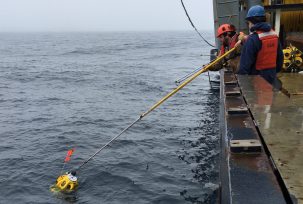
Using Sound to Study Underwater Volcanoes
To find out how volcanoes in the Pacific Ocean influence earthquakes and tsunamis, a team of scientists listens for ‘echoes’ from under the sea.
-

Future Hurricanes: Fast Like Ike or Slow Like Harvey?
Climate change will intensify winds that steer hurricanes north over Texas in the late 21st century, increasing the odds for fast-moving storms like 2008’s Ike, compared with slow-movers like 2017’s Harvey, says new research.
-

What the Forecast for an Active Hurricane Season Means for the Atlantic Region
Climate scientist Suzana Camargo shares some cautionary words.
-

Nisarga Could Be the Strongest Storm to Hit Mumbai in 70 Years
Major cyclone landfalls in this region are rare, but they could become more common and more dangerous under climate change.
-

Alaskan Coast at Risk of Catastrophic Landslide and Mega-Tsunami
Geoscientists estimate that a mountain slope could collapse into Prince William Sound within a year, and likely within 20 years, triggering devastating waves.
-

The Virus and the Cyclone: The Tragedy in India and Bangladesh is Double
More than four million people have been forced to abandon their homes and reach emergency shelters, increasing the risk of contagion.
-

Cyclone Amphan Reinforces Urgent Need for Climate Adaptation Planning
By building resilience into our infrastructure and communities, we can reduce the damages from natural disasters and recover from shocks more easily.
-

COVID-19 Highlights the Need to Plan for Joint Disasters
Summertime brings hurricane season, heat waves, wildfires, and flooding. Is the U.S. prepared to deal with extreme weather at the same time as a pandemic?
-

COVID-19 Disruptions: Understanding Food Security Implications
The pandemic will test our food and trade systems in ways never experienced before. Food security research Michael Puma helps unravel the complex interplay of risks.


By studying thousands of buildings and analyzing their electricity use, Columbia Climate School Dean Alexis Abramson has been able to uncover ways to significantly cut energy consumption and emissions. Watch the Video: “Engineering a Cooler Future Through Smarter Buildings“
