Poverty / Development2
-
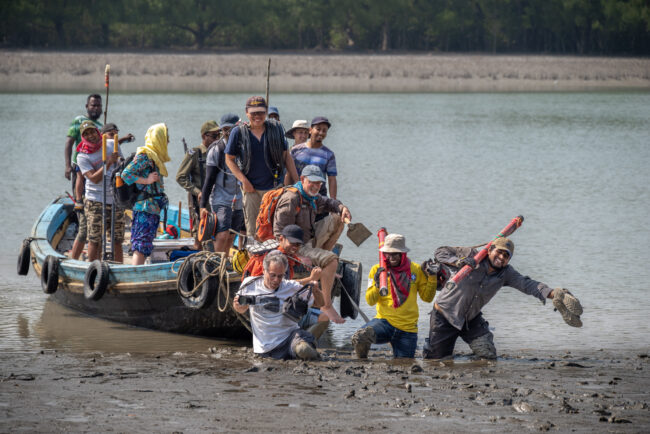
Vast Freshwater Reserves Found Beneath Salinity-Stressed Coastal Bangladesh
Drinking water is often scarce in Bangladesh. These researchers have tapped into a potential solution.
-
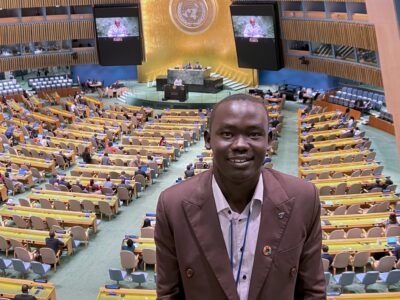
COP30 Is Over. But for the World’s Most Vulnerable, the Crisis Is Ongoing.
Anyieth Philip Ayuen, a graduate of the Climate and Society program, on the importance of keeping resilience, literacy and survival at the center of global climate policy.
-
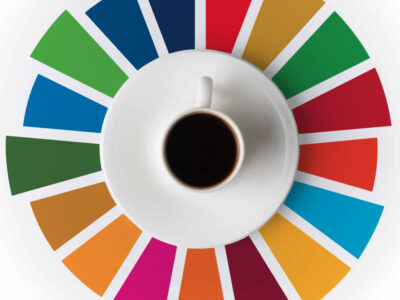
A Whole-Systems Investment Approach for the Coffee Sector and Beyond
A new handbook showcases a methodology for collaborative investment planning.
-

Global Climate Risk Index Ranks 188 Countries by Vulnerability and Access to Finance
Columbia Climate School identifies 65 “red zone” nations across four separate climate scenarios. The index helps close the gap between risk assessments and funding allocations.
-

More and More People Missing From Official Census Data
Foreign aid cuts will worsen “quiet crisis,” according to experts.
-

Global Perspectives: Exploring Sustainable Development in Rwanda and Bangladesh
Columbia Climate School students in two classes partnered with global communities and gained hands-on experience in sustainability.
-

Mangroves, Tigers and Shopping
The last part of our trip was a whirlwind of seeing multiple sites in the Sundarbans mangrove forest and its wildlife, more interviews with villagers, historic and cultural sites and shopping, followed by tearful goodbyes.
-

Poets and Polders
Continuing on our journey, we visited the shrine and former home of Bangladeshi cultural icons, continued our interviews, and boarded a boat to take us to the embanked islands known as polders.
-

A Special Trip to Bangladesh
In Bangladesh, a large and growing population lives in one of the most dynamic and sensitive environments on Earth, subject to multiple natural disasters and threatened by climate change.


October 28, 2026 is Columbia Giving Day! Your gift to Columbia Climate School helps advance interdisciplinary research, educate the next generation of leaders, and transform bold ideas into real-world solutions for climate, Earth, and society.
