Posts
-

Global Review Assesses Hydropower’s Vulnerability to Climate Change
A new study analyzes the impacts of climate change and variations in water availability on the hydropower sector, a key source of cost-effective renewable energy for many countries around the world.
-

Safaa Suliman Sees Dental Care as an Integral Part of Public Health
An epidemiology student and pediatric dentist who works with marginalized communities, Suliman wants policymakers to understand the importance of oral health and prioritize it.
-

Preparing for Professional Careers in Sustainability
The professional field we are preparing our students to work in has evolved in many ways since we began the program, as have our course offerings.
-

It’s Essential to Act on Climate Emergencies, But a Mistake for Biden to Declare One
It’s important to clarify what a “climate emergency” means and then pursue actions.
-

Unraveling the Interconnections Between Air Pollutants and Climate Change
Getting rid of some air pollutants might aggravate global warming. Here’s how.
-

How Can the World Adapt to a Changing Climate?
In her new book, Columbia Climate School Lecturer Lisa Dale provides key strategies at local and global scales.
-

Balancing Act: Can Precariously Perched Boulders Signal New York’s Earthquake Risk?
Long ago, melting glaciers dropped giant boulders onto surfaces in the New York City exurbs, and many seem to remain in their original, delicately balanced positions. Can they be used to judge the maximum sizes of past earthquakes?
-
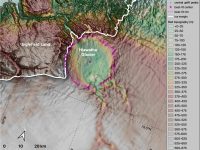
Crater Beneath Greenland Glacier Is 58 million Years Older Than Previously Thought
Researchers discovered that a meteorite crater beneath the Hiawatha glacier is much older than previously thought, leaving questions regarding its impact on global climate.
-

As Global Warming Fuels Record-Smashing Heat Emergencies, Cut Vulnerability Now and CO2 Always
Don’t let the heat, or the size of the climate problem, paralyze you. There are cool solution paths cutting climate risk down the block or around the world.


