Posts
-
Two Climate Scientists Win 2012 Vetlesen Prize for Work on Ozone Hole, Ice Cores
An American atmospheric chemist who led efforts to identify the cause of the Antarctic ozone hole and a French geochemist who extracted the longest-yet climate record from polar ice cores have won the prestigious 2012 Vetlesen Prize. Susan Solomon and Jean Jouzel will share the $250,000 award, considered to be the earth sciences’ equivalent of…
-

Changing Household Behavior to Reduce Carbon Emissions
Actions by individuals and households to reduce carbon-based energy consumption have the potential to change the picture of U.S. energy consumption and carbon dioxide emissions in the near term by integrating insights from the behavioral and social sciences.
-

Santa Comes Bearing an OBS
Recovering OBS instruments from the ocean floor is always a tricky business, especially in our case; these instruments have been sitting beneath more than 3.5 miles of water for over a year. With cold, tired batteries powering the instruments’ acoustic transponders, communicating with them through miles of ocean currents amounts to a whispered conversation on…
-

Teaching Experience Influences Student to Pursue MPA
Karl Wasmuth, a student in the MPA Environmental Science and Policy (MPA-ESP) has always been interested in environmental issues, but it was not until he started working abroad as an English as a Second Language (ESL) instructor that he began to consider more deeply the individual and international actions that affect the environment. With a…
-
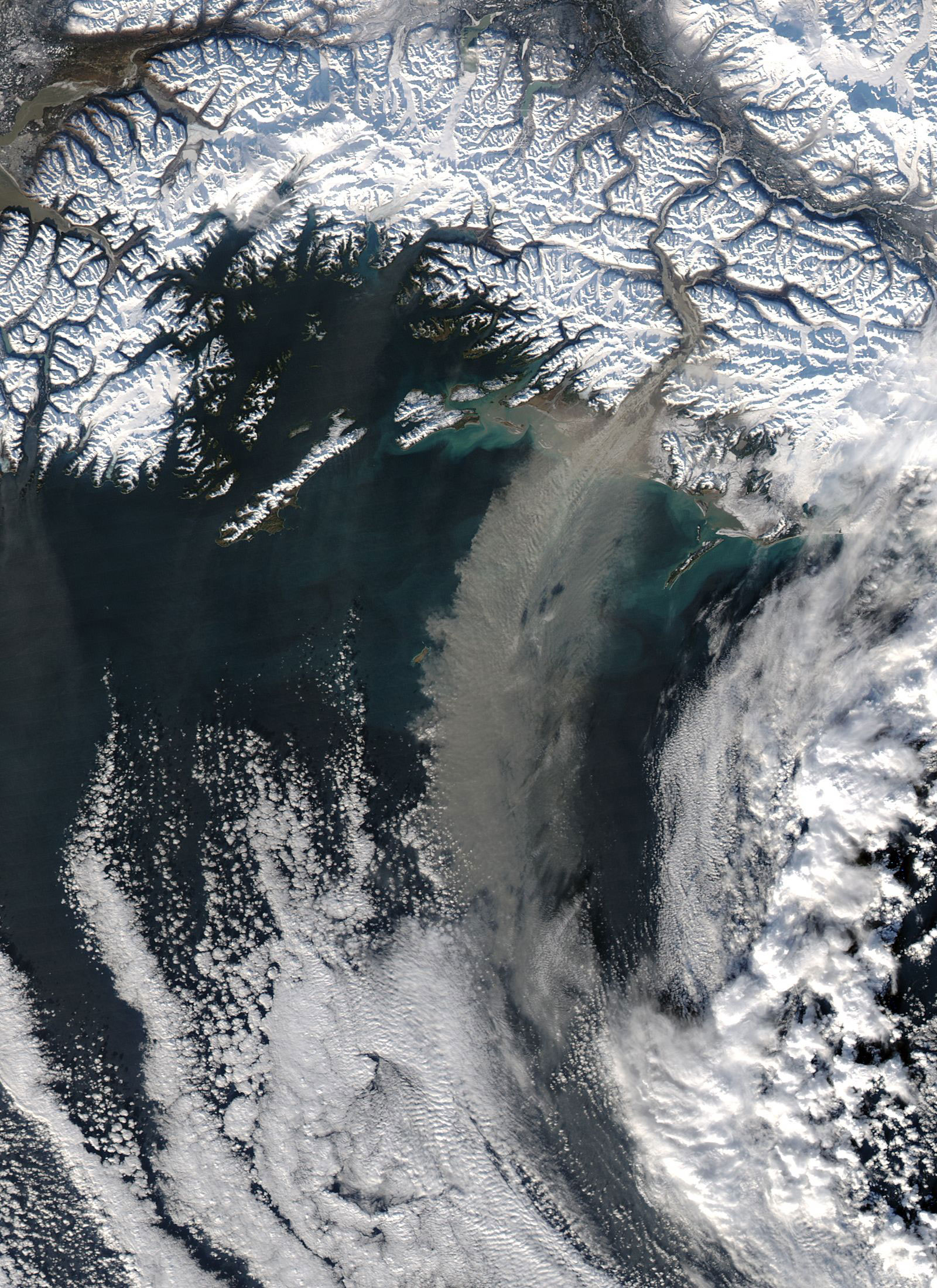
What Dust May Have To Do With Earth’s Rapidly Warming Poles
As earth’s climate warms, scientists have tried to understand why the poles are heating up two to three times faster than the rest of the planet. Airborne dust, it turns out, may play a key role.
-
Spring 2013 Undergraduate Research Assistant Positions
The Earth Institute, Columbia University is pleased to announce 12 research assistant opportunities for undergraduate students during the spring 2013 semester. Undergraduates from Columbia and Barnard will be able to serve as research assistants on exciting research projects related to sustainable development and the environment with distinguished faculty and researchers at the cutting edge of…
-
Earth Institute Spring 2013 Internships
This spring, the Earth Institute, Columbia University is offering Columbia students opportunities to intern within various departments and research centers at the Earth Institute. All full-time Columbia and Barnard students are eligible to apply for internships. These internships are funded at a rate of $15/hr for 10 hours per week and up to a maximum…
-

The Impact of Sea Level Rise on Coastal Wetlands
An analysis of coastal wetlands loss from sea level rise that was conducted for the Ramsar Convention’s Scientific and Technical Review Panel provides estimates of wetland losses as a basis for identifying potential adaptation measures.
-

Wildlife: The Other High-Value Resource
As wildlife trafficking has become more lucrative, widespread and organized over the past few years, the definition of high-value natural resources should be modified to include the commercial values of wildlife and its products.


