Posts
-
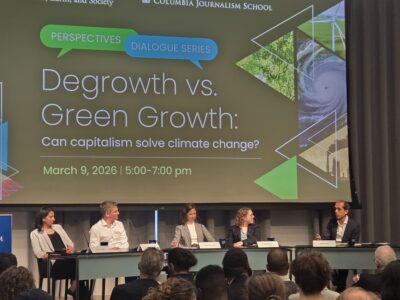
Can Capitalism Solve the Climate Crisis?
The inaugural Perspectives Dialogue Series event brought together prominent thinkers with diverse perspectives on capitalism and the role it could play in solving climate change.
-
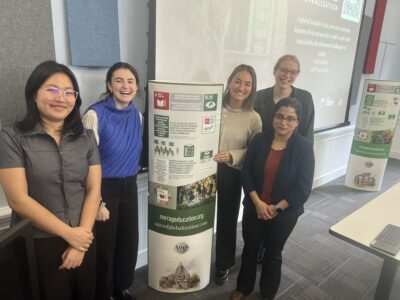
Bringing Climate Research to New York City’s Classrooms
The NYC Mid-Winter Climate Institute brought together K-12 educators to identify meaningful entry points for climate education lessons in their classrooms and beyond.
-

Earth’s “Missing” Billion Years: Study Links the Great Unconformity to Early Tectonics
New findings shed light on a widespread gap in the geologic record, where more than a billion years of Earth’s history appear to have been erased.
-

Antarctica Undergoes ‘Greenlandification’ As Ice Melt Accelerates
Scientists have found that Antarctica’s ice loss is increasing rapidly, mirroring the melting of its northern counterpart, Greenland.
-

Art Meets Science at Lamont-Doherty Earth Observatory
Lamont’s 2025 Research as Art exhibit provides a platform for scientists to share their research in a creative way.
-
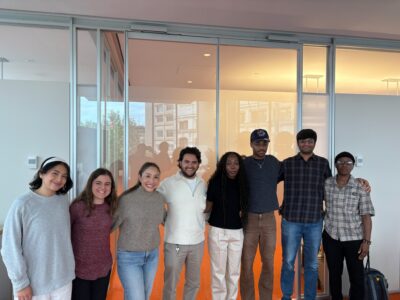
Meet the Inaugural Dean’s Graduate Scholars at Columbia Climate School
Eight full-time M.S. in Climate students have been honored with a scholarship recognizing their academic and professional excellence in the field.
-
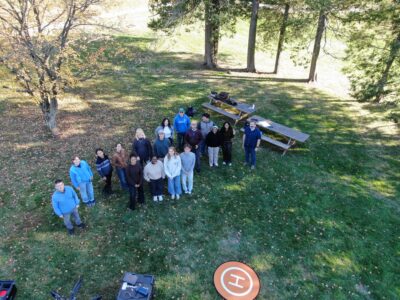
How Columbia Students and Local Activists Are Co-Creating Climate Justice
A course aims to teach students the importance of effective climate-adaptation planning through collaboration with local community partners.
-

How Can AI Address Climate Justice When Women’s Voices Are Silenced?
Unless women’s lived realities are embedded in AI’s foundations, it risks reinforcing the very inequities it claims to solve.
-
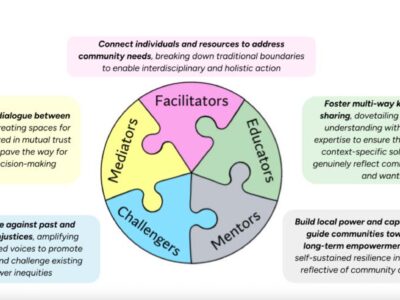
Planning Exercises That Got Community Engagement Right
The Resilient Coastal Communities Project has a new white paper that highlights examples of truly fair and accountable resilience planning.


