Posts
-

A New Glacier Website From the Austrian Alps
OGGM-Edu offers a variety of educational tools and materials, including interactive apps, graphics and images, adaptable notebooks, and tutorials.
-

Earth Institute Solidarity and Support for #ShutDownSTEM
On Wednesday, the State of the Planet blog will be going silent in solidarity with a grassroots movement to eradicate anti-Black racism in academia and STEM.
-

GlacierHub Statement Condemning Systemic Racism and Police Brutality
There is no sustainable development without climate justice, and there is no climate justice without social and racial justice.
-

Coronavirus Is Improving Water Quality — For Now, At Least
With less pollution entering the air, our waterways are getting cleaner. Whether or not they stay that way is up to us.
-

Environmental Protection and Infrastructure Investments Are Necessities, Not Luxuries
A clean and healthy environment and environmental justice are necessities and not luxuries.
-
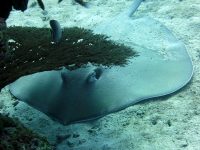
A Photo Essay Celebrating Africa’s Precious Biodiversity
On World Environment Day, it’s important to take #TimeForNature.
-

What Will the Weather Be After Coronavirus?
Pollution is going down, but temperatures could still rise. Here’s why.
-

How Water Infrastructure Can Enhance Sustainability
Guests at the Sustainable Development Speaker Series discussed how water infrastructure can be leveraged to protect the environment and address poverty, inequality, and social inclusion.
-

Going Back ‘Home’ in the Time of Coronavirus
An international student recounts her experience of trying to return home while borders were closing due to the pandemic.


