Posts
-
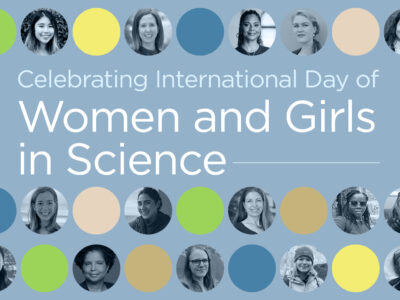
Celebrating the 2026 International Day of Women and Girls in Science
In honor of this year’s theme, “Synergizing AI, Social Science, STEM and Finance: Building Inclusive Futures for Women and Girls,” we’re highlighting just some of the exceptional women researchers from the Columbia Climate School.
-

How Can We Mend Our Living World?
An interdisciplinary panel discussed some of the complex issues facing our society as ecosystems collapse and relationships must be reevaluated.
-
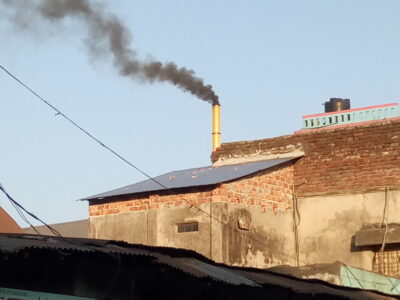
Can Carbon Markets Offset the Emissions We Can’t Eliminate?
A conversation about carbon markets with Shubham Deshmukh, a recent M.S. in Sustainability Management graduate.
-
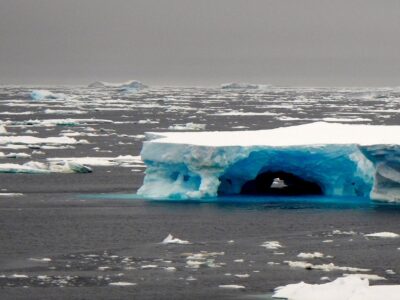
Unexpected Climate Feedback Links Antarctic Ice Sheet With Reduced Carbon Uptake
New study reveals surprising link between West Antarctic Ice Sheet (WAIS) retreat and algae growth over the past 500,000 years.
-
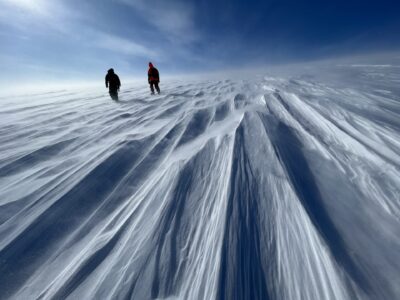
Greenland Ice Cap Vanished Just 7,000 Years Ago
The first study from GreenDrill finds that Greenland’s Prudhoe Dome ice cap had fully melted much more recently than previously thought.
-
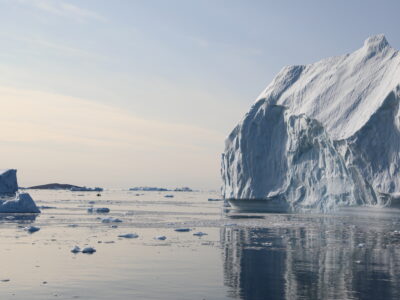
Sea Levels Are Rising—But in Greenland, They Will Fall
Even as global warming causes sea levels to rise worldwide, sea levels around Greenland will likely drop, according to a new paper.
-
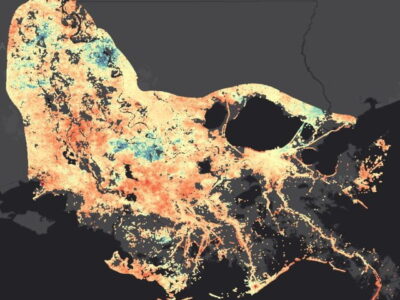
Human Activity Is Driving Rapid Sinking of World’s River Deltas
New research, published in Nature, documents the rate of elevation loss in the world’s deltas, and finds that people are the primary reason for it.
-

Remembering World-Renowned Soil Scientist, Agriculture and Food Security Center Director Pedro Sanchez
Walter Baethgen reflects on his friendship with Sanchez.
-
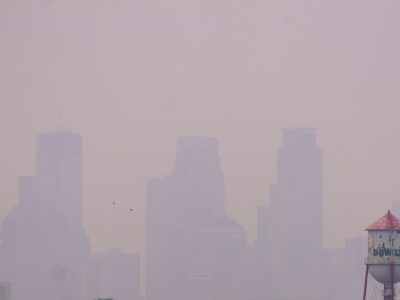
Get Ready for Smokier Air: Record 2023 Wildfire Smoke Marks Long-Term Shift in North American Air Quality
A new analysis of air quality data from the past 70 years shows a broader, continent-wide trend toward smokier skies.


