Posts
-
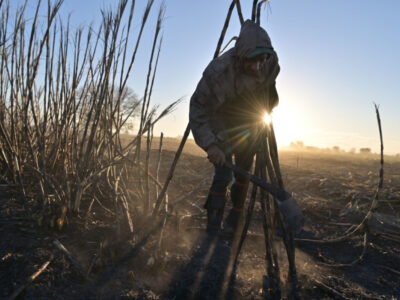
New Policies, Same Inequalities for Agricultural Workers in Mexico
Who will benefit from the new agricultural support programs that promise to help rural farmworkers?
-
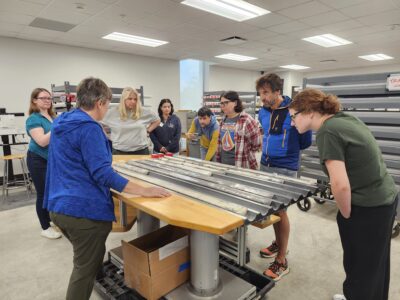
TRACX Program Connects Educators Worldwide with Ocean Science Research
Last summer, teachers from around the globe got a hands-on opportunity to engage in research alongside scientists at the Gulf Coast Repository at Texas A&M University.
-
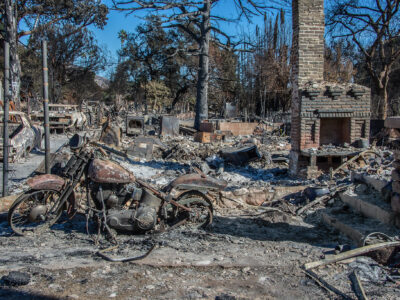
It’s Been One Year Since Wildfires Devastated Los Angeles. What Have We Learned?
In the wake of the fires, our disaster expert says that “we have the lessons we need to do better and recover better, but there is a stubbornness to learning and applying them.”
-
Can Mayor Mamdani Turn Climate Action Into an Affordability Win for NYC?
Columbia Climate School experts discuss the opportunities and challenges ahead for NYC’s new mayor.
-
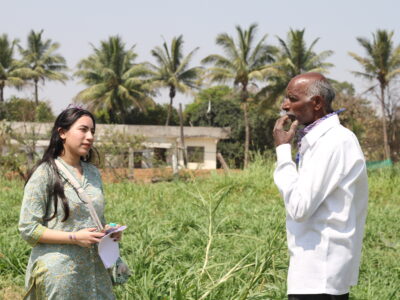
Student Spotlight: A Systems-Level Approach To Help Solve India’s Food Challenges
Stuti Banga’s work emphasizes how systems-level thinking, national contexts and power dynamics matter just as much as technological innovation.
-
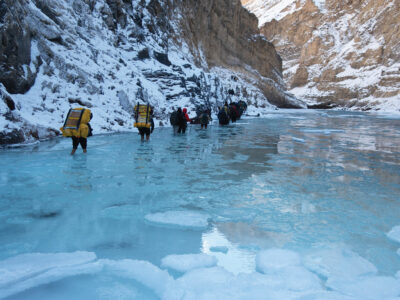
Photographing Climate Change: Ice Porters on the Frozen Chadar River
A new collaborative photo-essay chronicles the changing world of ice porters on a frozen river in northwest India.
-

Columbia Climate School Experts on What Gives Them Hope in 2026
2025 was a tough year for climate action. Yet our experts see signs of progress on the horizon, and climate solutions within reach.
-
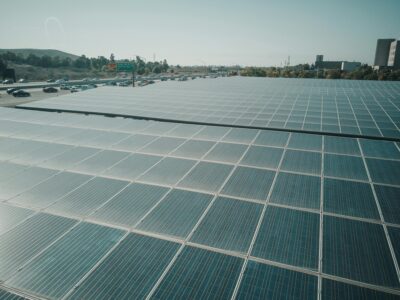
Climate Action Costs More in the Global South. Here’s Why.
For many countries in the Global South, the cost of transitioning to a low-carbon economy remains disproportionately high.
-
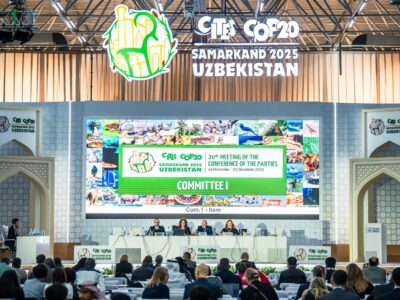
SIPA Alumni Champion Wildlife Protection at Major Conference in Uzbekistan
The Conference of the Parties to the Convention on International Trade in Endangered Species of Wild Fauna and Flora, better known as CITES COP, is one of the strongest international agreements dedicated to protecting wildlife from overexploitation.


