CIESIN15
-

Video: Climate and Public Health
Climate and public-health communities are learning to speak each other’s language to improve decision making. Watch our short video to learn more.
-
A Sustainable Future for Haiti
The 7.0 magnitude earthquake that struck southern Haiti on January 12 caused massive destruction to human life and infrastructure—as many as 3 million people have been affected. The Earth Institute’s Haiti Policy Advisor, Tatiana Wah, who was in the country at the time of the earthquake, works with the Haitian government to develop, analyze, implement…
-
Climate Change May Challenge National Security, Classified Report Warns
Sea Level, Water Scarcity, Refugees Might Affect Military, Diplomacy
-
Mapping Poverty for Better Development Planning
This remarkable map of Latin America portrays infant mortality rates, a widely used proxy measure of poverty. It demonstrates clearly that although Latin America has generally low infant mortality rates, overall poverty is very unevenly distributed throughout the region. Moreover, the relationship between this pattern of human well-being and broader geographic constraints is also clear.…
-
Mapping Socioeconomic Data Reveals Trends
In October 2006, the U.S. Census Bureau announced that the nation’s population had reached 300 million people — a number that has tripled since 1915. This milestone raises critical questions regarding where people live —or don’t live — in the U.S. that help feed high-level decisions on where to allocate government resources on education, health…
-
Where the Poor Are
New ‘Poverty Atlas’ reveals critical insights into relationship between geography and poverty

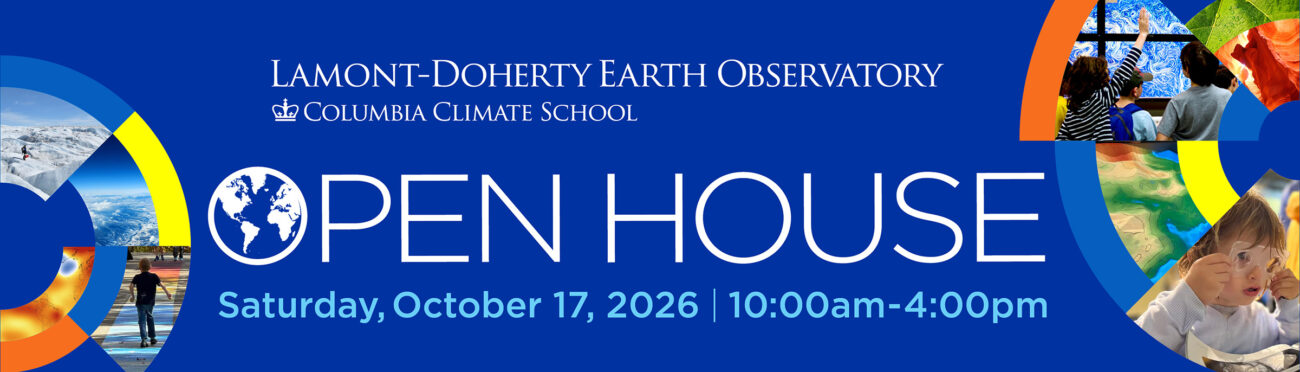
On Saturday, October 17, 2026 from 10am to 4pm, Lamont-Doherty Earth Observatory Open House—our biggest, best science fun and discovery event of the year—will take place on our beautiful campus in Palisades, NY. Mark your calendar and join us for this free, family-friendly celebration of science! RSVP Today!
