climate change108
-

Antarctica’s Retreating Ice
While the ice sheets on West Antarctica and the Antarctic Peninsula are usually the ones to make the news in relation to climate change, recent studies have documented transformations that are taking place on the East Antarctic Ice Sheet as well. On the continent as a whole, large areas of ice have already melted and…
-

Glacial Earthquakes May Help Forecast Sea-Level Rise
Glacial earthquakes are produced as massive ice chunks fall off the fronts of advancing glaciers into the ocean. A new study of the quakes’ mechanics may give scientists a way to measure ice loss remotely and refine predictions of sea-level rise.
-

Mt. Everest Not Safe from Climate Change
Climate change has many asking if the days of being able to summit the world’s highest peak are numbered.
-

Tapping into Earth’s Secret History
In a study published last week, Lamont post-doctoral scholar Heather Ford and coauthors used 4 million-year-old fossils from the Pliocene to reconstruct the physical features of the Pacific Ocean that would have shaped the environment during a critical juncture in Earth history.
-

The Road to Make It Work
Students throughout Columbia University were notified of a once-in-a-lifetime chance to attend a student simulation in anticipation of the upcoming United Nations Climate Conference in Paris. Two words jumped out at me immediately: climate and Paris.
-

In a Melting Iceland, Drilling Deep to Stem Climate Change
Iceland is pioneering a new technology to deal with climate change. Its Hellisheidi geothermal power plant, the world’s largest, hosts arguably the world’s most advanced program to capture and lock away globe-warming carbon dioxide.
-
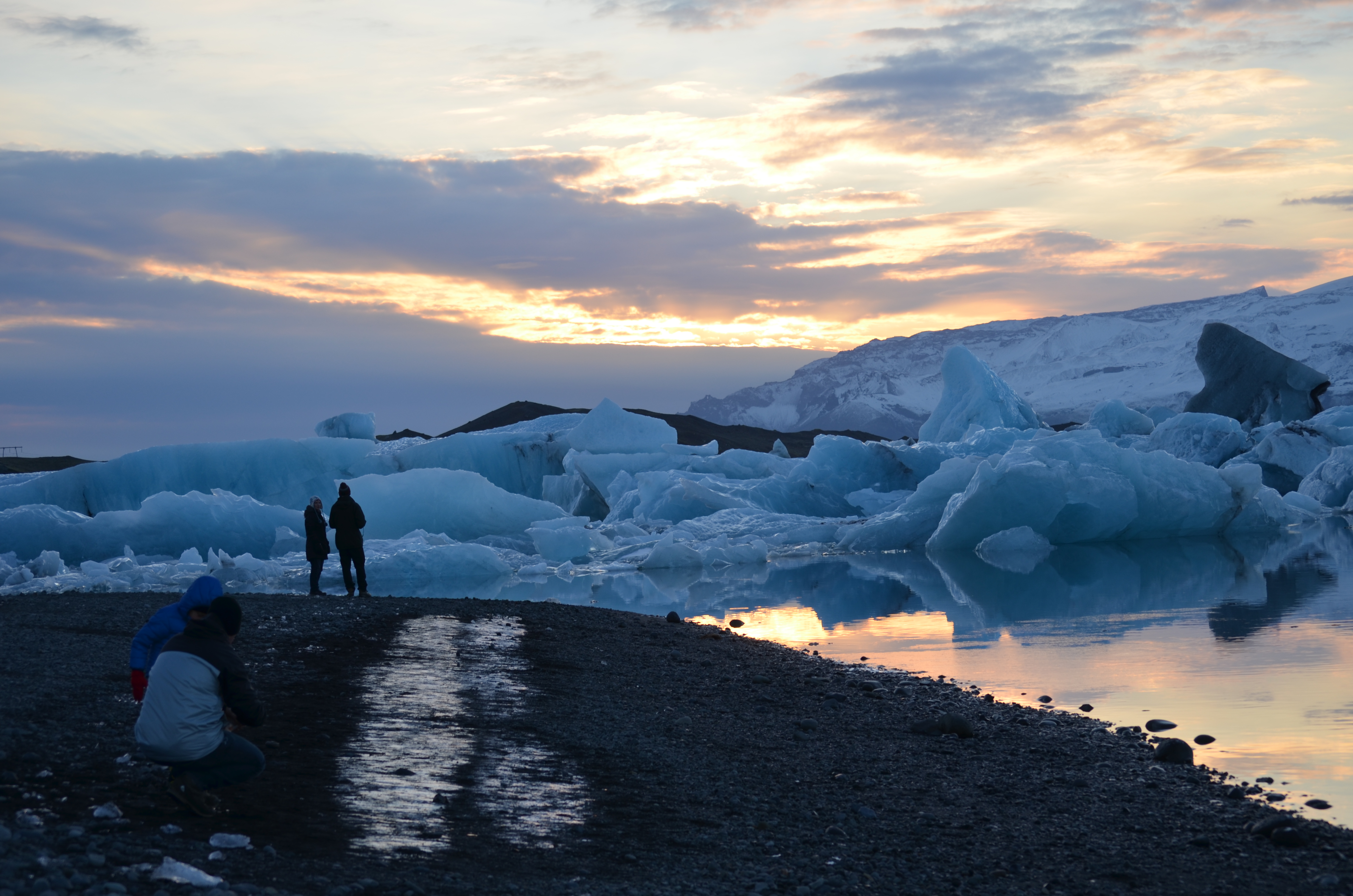
Photo Essay: Iceland at the Cutting Edge of Climate Change
Iceland has a complicated relationship with climate change. As in much of the far north, global warming is already exerting many effects here–arguably both good and bad. Yet the country contributes relatively little to the warming, since most of its energy comes from geothermal and hydro plants, which produce little carbon dioxide. Now, it is…
-

Creating a ‘Safe Space’ for Iconic Ecosystems
Important global ecosystems like the Amazon rainforest and Great Barrier Reef are in danger of breaking down because of a combination of local pressures and climate change, but better local management could help make these areas more resilient.
-

MPA Students Partner with Raritan Headwaters Association
As part of the Workshop in applied Earth Systems Policy Analysis, students in the MPA in Environmental Science and Policy program are partnering with the Raritan Headwaters Association (RHA) to help address emerging water quality and watershed resiliency issues related to climate change.



On Saturday, October 17, 2026 from 10am to 4pm, Lamont-Doherty Earth Observatory Open House—our biggest, best science fun and discovery event of the year—will take place on our beautiful campus in Palisades, NY. Mark your calendar and join us for this free, family-friendly celebration of science! RSVP Today!
