climate change83
-

Can You Survive Our Climate Week Challenge?
These seven not-so-hard things will shrink your carbon footprint. We dare you to try them.
-

In Florida and Texas, Keeping the Lights on Means Planning for Climate Change
New York’s lessons from Hurricane Sandy can help in the wake of Harvey and Irma.
-

‘Pangeo’ Project Will Improve Access to Climate Data
The better climate models become, the harder it is to use them. One team of researchers is working to fix that.
-

6 Climate Change Solutions We Can All Agree On
These ideas hold merit no matter where you fall on the political spectrum
-
![How Will Scientists Find Out Whether Climate Change Made Hurricane Harvey Worse? [Video]](https://media.news.climate.columbia.edu/wp-content/uploads/2016/01/Figure1-200x150.jpg)
How Will Scientists Find Out Whether Climate Change Made Hurricane Harvey Worse? [Video]
It’s too soon to say there’s a connection, but searching for the fingerprints of climate change shouldn’t take too long.
-

11 Questions Hurricane Harvey Raises About Climate Change Law and Policy
From managing flood insurance to controlling toxic pollutants, these policy issues will influence how well Texas can bounce back from the disaster, and how we’ll handle such storms in the future.
-

Climate Change Could Spell Trouble for Europe’s Electrical Grid
Peak demand for electricity is expected to shift from winter to summer, and from Northern Europe to the South—changes that could strain the region’s infrastructure.
-

Climate May Quickly Drive Forest-Eating Beetles North, Says Study
Over the next few decades, global warming-related rises in winter temperatures could significantly extend the range of the southern pine beetle, one of the world’s most aggressive tree-killing insects, through much of the northern United States and southern Canada, says a new study.
-

Why Climate Change Matters
Climate change is a test of our ability to identify, understand and act on critical global environmental issues. It tests our ability to work across national borders and across academic and professional fields of knowledge.


![How Will Scientists Find Out Whether Climate Change Made Hurricane Harvey Worse? [Video]](https://media.news.climate.columbia.edu/wp-content/uploads/2016/01/Figure1-400x300.avif)


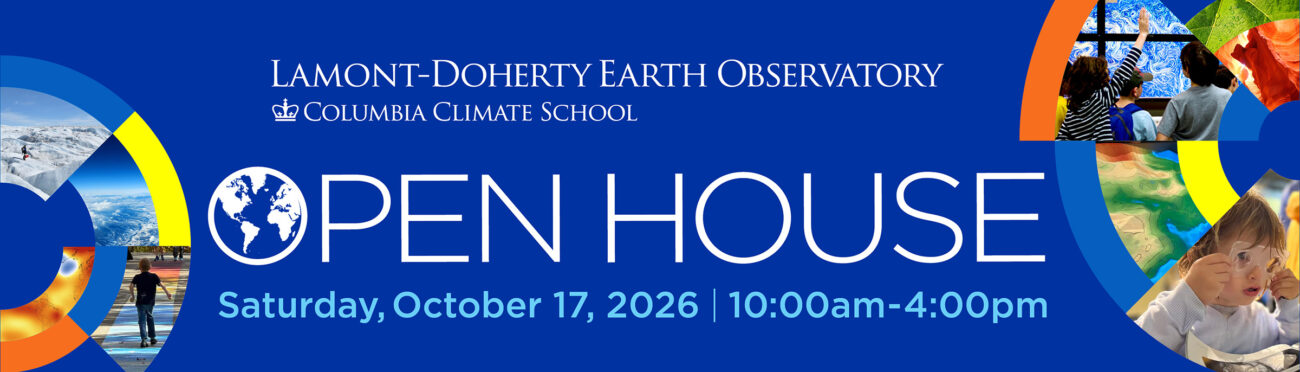
On Saturday, October 17, 2026 from 10am to 4pm, Lamont-Doherty Earth Observatory Open House—our biggest, best science fun and discovery event of the year—will take place on our beautiful campus in Palisades, NY. Mark your calendar and join us for this free, family-friendly celebration of science! RSVP Today!
