climate change99
-

A New Tool for Coastal Planners Preparing for Sea Level Rise
Globally, the tool estimates at least 11 inches of sea level rise this century with ambitious efforts to lower greenhouse gas emissions and as much as 52 inches if greenhouse gas emissions continue to grow unchecked.
-

Sailing into a Storm as We Head for the Agulhas Plateau
The team aboard the JOIDES Resolution just finished at their first coring site off southern Africa. The first results? “Awesome.” Sidney Hemming describes the process in words and photos.
-

6 Million Years of Sediment, Studded with Tiny Fossils
Sidney Hemming and her team have started examining their first sediment core from off southern Africa. It appears to contain about 6 million years of history.
-

Court Ruling on Clean Power Plan a Setback, But…
The Supreme Court’s decision Tuesday to postpone implementation of the Clean Power Plan represents a setback for efforts to combat climate change; but the damage to the U.S. ability to meet pledges it made at the Paris climate summit in December “is less than it might seem,” says Michael Gerrard.
-
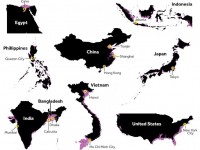
Climate Change Isn’t Just a 21st Century Problem
Humans have been burning fossil fuels for only about 150 years, yet that has started a cascade of profound changes that at their current pace will still be felt 10,000 years from now, a new study shows.
-

Gearing Up for Our First Cores
As they get to know their ship, the scientists aboard the JOIDES Resolution prepare to drill their first sediment cores along the Natal Valley off the coast of southern Africa.
-

Fast-Building Storms Play Key Role in Tropical Cyclone Risk
In studying climate and tropical cyclones, researchers find a weather phenomenon at play.
-

In the Southern Ocean, a Carbon-Dioxide Mystery Comes Clear
Twenty thousand years ago, low concentrations of carbon dioxide in the atmosphere allowed the earth to fall into the grip of an ice age. But despite decades of research, the reasons why levels of the greenhouse gas were so low then have been difficult to piece together. New research, published today in the leading journal…
-

El Niño and Global Warming—What’s the Connection?
The United Nations has declared 2015 the hottest year since record keeping began. It was also a year marked by the occurrence of a “super” El Niño. Are the warming temperatures and El Niño connected?



On Saturday, October 17, 2026 from 10am to 4pm, Lamont-Doherty Earth Observatory Open House—our biggest, best science fun and discovery event of the year—will take place on our beautiful campus in Palisades, NY. Mark your calendar and join us for this free, family-friendly celebration of science! RSVP Today!
