climate models2
-

‘Tail Risk’: a Chat with Scientist Radley Horton
We’re talking to experts around the Earth Institute about what they’re working on, what they would like people to know about it, and what inspired them to go into their field.
-
Climate Change Has Doubled Western U.S. Forest Fires, Says Study
More Aridity Is Sending Thousands of Square Miles Up in Flames
-
By Mid-Century, More Antarctic Snowfall May Help Offset Sea-Level Rise
Increasing Precipitation Masked by Natural Variability—For Now
-

A New Tool for Coastal Planners Preparing for Sea Level Rise
Globally, the tool estimates at least 11 inches of sea level rise this century with ambitious efforts to lower greenhouse gas emissions and as much as 52 inches if greenhouse gas emissions continue to grow unchecked.
-
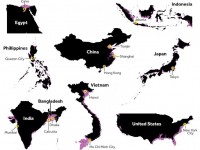
Climate Change Isn’t Just a 21st Century Problem
Humans have been burning fossil fuels for only about 150 years, yet that has started a cascade of profound changes that at their current pace will still be felt 10,000 years from now, a new study shows.
-

Fast-Building Storms Play Key Role in Tropical Cyclone Risk
In studying climate and tropical cyclones, researchers find a weather phenomenon at play.
-

Spring 2016 Undergraduate Research Assistant Opportunities
The Earth Institute will offer nine research assistant opportunities for undergraduate students during the Spring 2016 semester.
-
Study Sees Powerful Winds Carving Away Antarctic Snow
Findings May Boost Estimates of Contributions to Sea Level
-

Tropical Rainfall from Hours to Millennia
Most of Earth’s rainfall occurs in a tropical zonal band that circles the Earth. Understanding how this band will responds to climate change requires us to combine time scales from hours to millennia.


By studying thousands of buildings and analyzing their electricity use, Columbia Climate School Dean Alexis Abramson has been able to uncover ways to significantly cut energy consumption and emissions. Watch the Video: “Engineering a Cooler Future Through Smarter Buildings“
