climate science26
-

Come Aboard: A Look at the R/V Marcus Langseth
A new video produced by Columbia University tells the story of what the research vessel Marcus G. Langseth is all about.
-

Anatomy of an ‘Ice Station’
Completing an “Ice Station” means collecting samples over a wide range of Arctic water and ice conditions. Each station means a major orchestration of people and resources.
-

A Game of Strategy and Survival in the High Arctic
EcoChains: Arctic Crisis is a card game for ages 10 and up that challenges players to strategically manage the Arctic marine ecosystem as climate changes, while they learn about the potential impacts of future changes.
-

Tropical Rainfall from Hours to Millennia
Most of Earth’s rainfall occurs in a tropical zonal band that circles the Earth. Understanding how this band will responds to climate change requires us to combine time scales from hours to millennia.
-

Arctic Magic: One Research Vessel Multiplies to Hundreds
The Arctic is magical, that we know, but when one ship multiplies to hundreds of small boats we really see the effect that Arctic magic can bring.
-
One-Two Punch of Rising Seas, Bigger Storms May Greatly Magnify U.S. East Coast Floods
New Study Quantifies Synergy of Two Climate Hazards
-

Translating Nature’s Historians: The Tree Ring Lab Turns 40
In its first 40 years, the Lamont Tree Ring Lab tracked changing climates around the world, building an international reputation as a global leader in research, training and technology.
-

A Week of Firsts for This Arctic Nation
We are closing in on a week of intense focus and excitement for GEOTRACES and for the United States around the Arctic. President Obama became the first sitting president to visit Alaska, the US Coast Guard Cutter Healy with US GEOTRACES scientists completed the first unaccompanied US surface vessel transit to the North Pole, and…
-

It’s as Clear as Mud
For the sampling GEOTRACES is doing in the Arctic there is a specific goal of collecting just the top few dozen centimeters of sediment and the water just above it. Although the plan was good, things don’t always go perfectly.


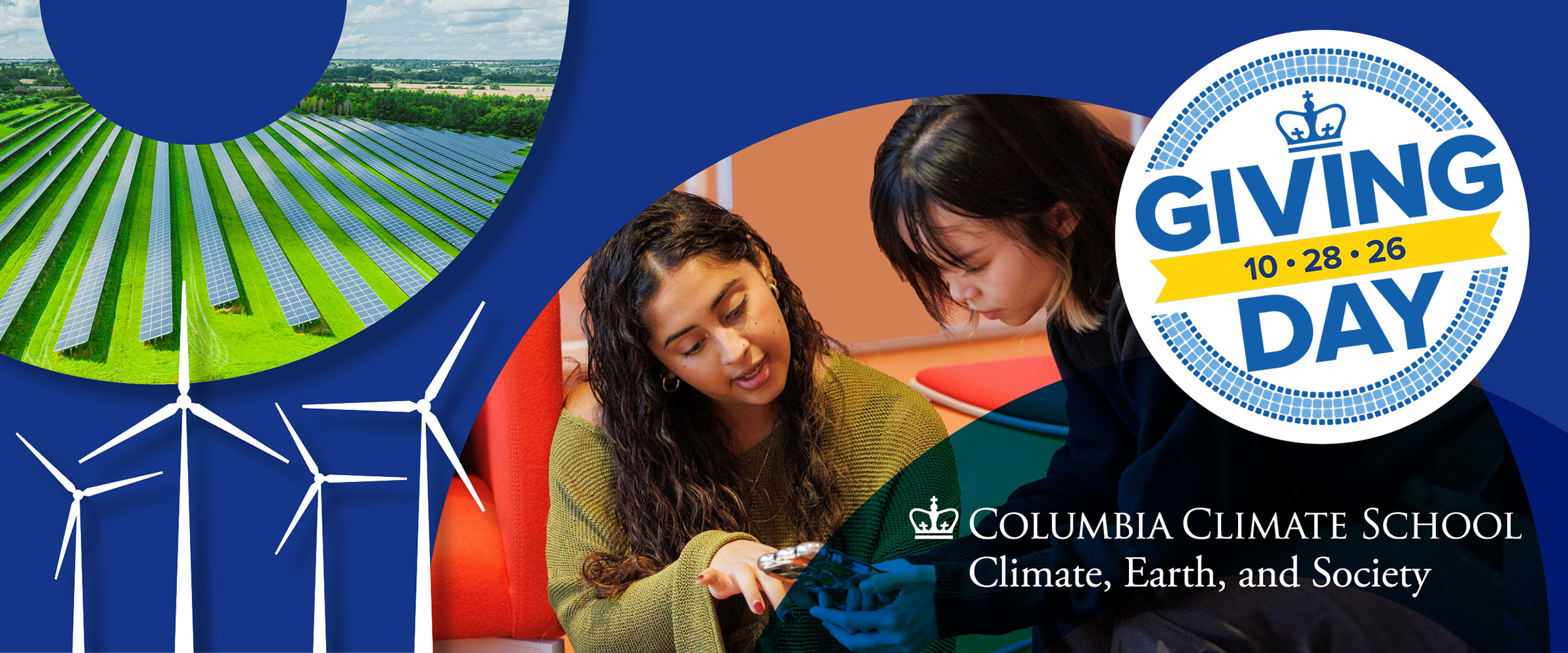
October 28, 2026 is Columbia Giving Day! Your gift to Columbia Climate School helps advance interdisciplinary research, educate the next generation of leaders, and transform bold ideas into real-world solutions for climate, Earth, and society.
