climate science
-

Event Recap: “The Rise of Agentic AI: What It Means for Climate Innovation”
Panelists discussed how agentic AI is beginning to reshape Earth systems modeling, improve climate predictions and support adaptive decision-making.
-
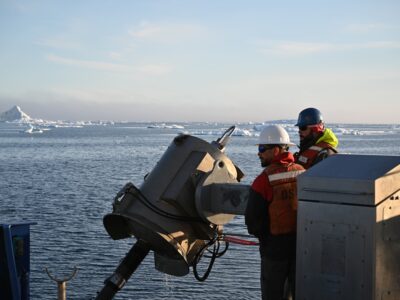
How a Massive Ancient Ice Shelf Stabilized Glaciers—and What It Means for Antarctica
New research could lead to more accurate predictions about how quickly Antarctic glaciers might retreat and raise sea levels.
-
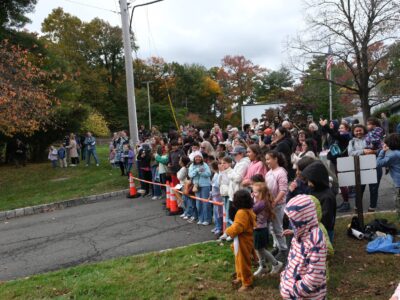
Highlights From the 2026 Open House at Lamont-Doherty Earth Observatory
More than 2,500 visitors explored hands-on activities, lectures and installations at Lamont’s campus on Saturday, October 17.
-
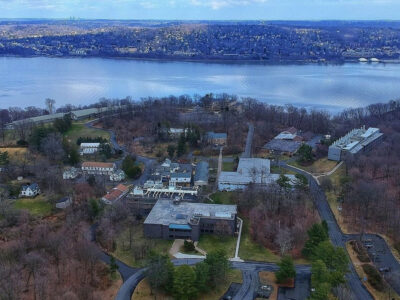
Lamont Researchers Receive Major Earth Science Honors from the American Geophysical Union
Five Lamont scientists received major 2026 honors recognizing research on sea-level change, ocean carbon uptake, seafloor mapping and Earth’s deep interior. William B. F. Ryan receives the Maurice Ewing Medal; Jacqueline Austermann, Gisela Winckler and Galen McKinley receive AGU distinctions, while Renata Wentzcovitch is named a Distinguished Lecturer.
-
September Research Roundup: Select Papers
In this month’s edition of our research roundup, we look at the impact of suspending U.S. embassy reporting on air quality; why two extreme heatwaves had different impacts; and how to make vulnerable populations in smaller cities more visible.
-
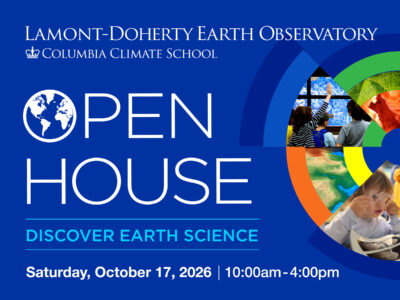
Come Visit Us at Lamont Open House
Join Lamont-Doherty Earth Observatory in Palisades, NY, on Saturday, Oct. 17, for a free, family-friendly event. Explore research facilities through lab tours, exhibits, hands-on activities and talks.
-
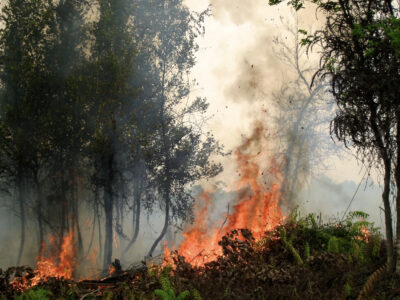
El Niño 2026: How Big Could It Get?
The current El Niño will break all sea-surface temperature records to date and will very likely deliver unprecedented weather-related impacts around the world.
-
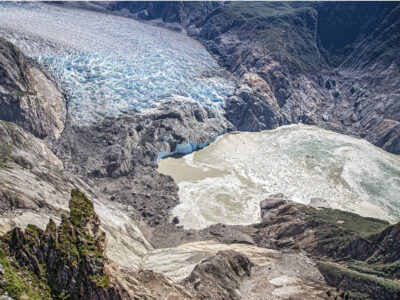
A Career Spent Collecting Earth’s Seismic Clues
Göran Ekström tracks incidents like landslides and glacier collapse using tools once used only to monitor earthquakes.
-
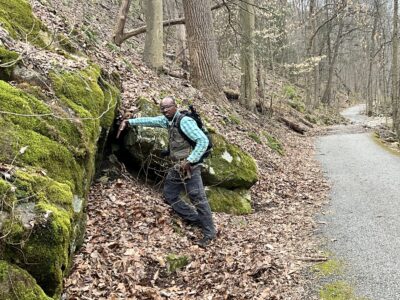
August Research Roundup: Select Papers
This month, we covered a long-term analysis suggesting that landfill methane emissions may be far higher than estimated, as well as new research on unexpected trends in U.S. extreme rainfall. Here are additional studies worth noting.



COP31, the 2026 United Nations Climate Change Conference, aims to advance dialogue, strengthen consensus, and accelerate climate action on a global scale. From November 9–20, 2026 in Antalya, Türkiye, heads of state, ministers, scientists, business leaders, and civil society will gather to advance efforts in emission targets, climate finance, and adaptation and resilience. Once again, our experts, students, and global thought leaders from Columbia Climate School and across Columbia University are contributing to key events, sharing insights, and helping shape the dialogue toward ambitious, science-based solutions. Learn More
