cs highlights2
-
Year in Review: Our Top Stories of 2025
A look back at the stories and videos that shaped our year at State of the Planet.
-
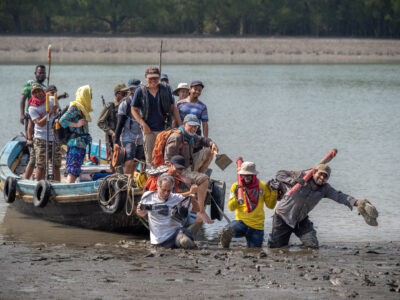
Vast Freshwater Reserves Found Beneath Salinity-Stressed Coastal Bangladesh
Drinking water is often scarce in Bangladesh. These researchers have tapped into a potential solution.
-

A Climate-Friendly Holiday Gift Guide
Six fun and thoughtful ways to keep our climate and planet in mind this holiday season.
-
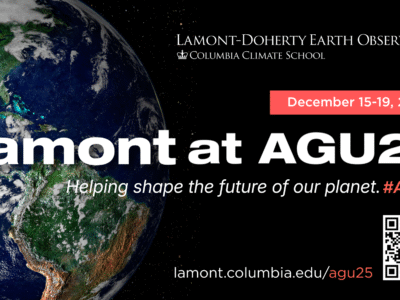
American Geophysical Union 2025: Key Scientific Presentations From Lamont-Doherty Earth Observatory and Columbia Climate School
Check out a guide to some of our notable research at this year’s AGU conference.
-
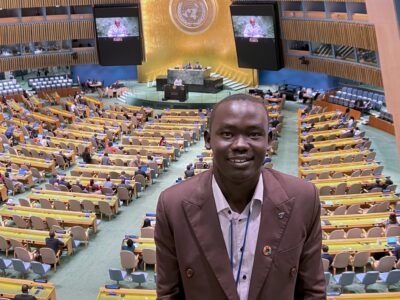
COP30 Is Over. But for the World’s Most Vulnerable, the Crisis Is Ongoing.
Anyieth Philip Ayuen, a graduate of the Climate and Society program, on the importance of keeping resilience, literacy and survival at the center of global climate policy.
-
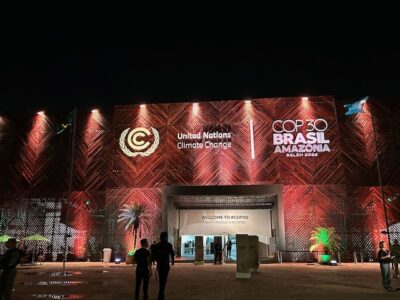
Columbia and Climate School Delegates Reflect on COP30
Columbia and Climate School faculty share their experiences from the annual climate conference, which took place in Brazil last month.
-

Fight Food Waste This Holiday Season
It can be hard to eat, drink and be merry when the food waste epidemic is on the table.
-
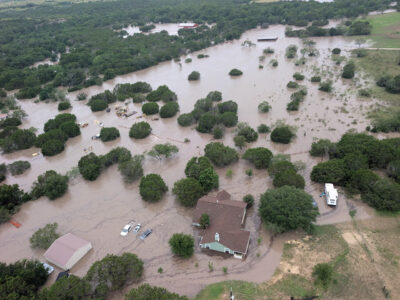
The July 4 Floods in Texas Weren’t a One-Off. They Were a Warning.
We cannot afford to focus solely on short-term fixes, while ignoring the long-term drivers of disaster risk.
-
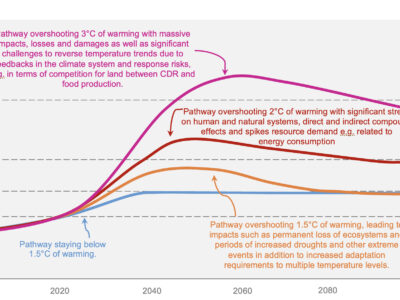
Societies Are Unprepared for the Human Costs of Climate Overshoot
While scientists have made progress describing overshoot’s physical impacts, its humanitarian and social consequences need greater focus, say the authors.


By studying thousands of buildings and analyzing their electricity use, Columbia Climate School Dean Alexis Abramson has been able to uncover ways to significantly cut energy consumption and emissions. Watch the Video: “Engineering a Cooler Future Through Smarter Buildings“
