State of the Planet

News from the Columbia Climate School

flood mapping

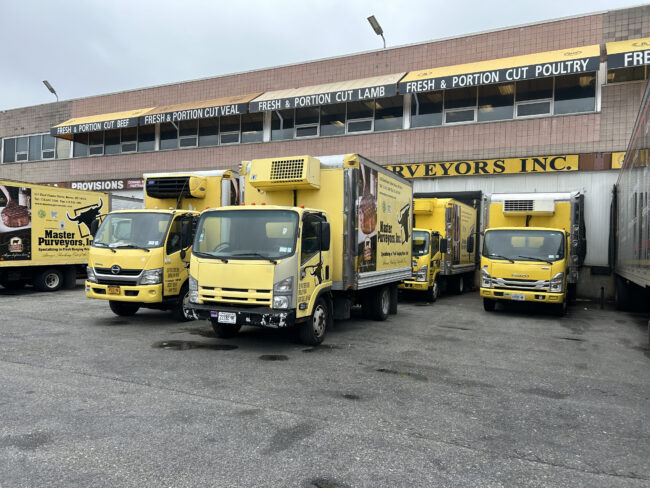
  • The Rising Threat to New York City’s Food System

    The Rising Threat to New York City’s Food System

    An increasing risk of flooding in Hunts Point could upend a large share of the city food distribution.

  • A Simple Question, Unexpected Applications – and an Award

    A Simple Question, Unexpected Applications – and an Award

    Even the simplest research questions can lead to far-reaching public benefits. Consider Chris Small and Joel Cohen’s study of global population by altitude, being honored this week at the Library of Congress.

  • A Life Well Mapped

    A Life Well Mapped

    Mark Becker believed in the power of geospatial data and analysis to motivate our stewardship of the environment and guide development of sustainable approaches that balance human and environmental needs.

Photo of the Earth from space with the text "Lamont at AGU25" on top.

AGU25, the premier Earth and space science conference, takes place December 15-19, 2025 in New Orleans, Louisiana. This year’s theme—Where Science Connects Us—puts in focus how science depends on connection, from the lab to the field to the ballot box. Once again, Lamont-Doherty Earth Observatory and Columbia Climate School scientists, experts, students, and educators are playing an active role, sharing our research and helping shape the future of our planet. #AGU25 Learn More

  • The Rising Threat to New York City’s Food System

    The Rising Threat to New York City’s Food System

    An increasing risk of flooding in Hunts Point could upend a large share of the city food distribution.

  • A Simple Question, Unexpected Applications – and an Award

    A Simple Question, Unexpected Applications – and an Award

    Even the simplest research questions can lead to far-reaching public benefits. Consider Chris Small and Joel Cohen’s study of global population by altitude, being honored this week at the Library of Congress.

  • A Life Well Mapped

    A Life Well Mapped

    Mark Becker believed in the power of geospatial data and analysis to motivate our stewardship of the environment and guide development of sustainable approaches that balance human and environmental needs.