Lamont-Doherty Earth Observatory3
-
American Geophysical Union 2025: Key Scientific Presentations From Lamont-Doherty Earth Observatory and Columbia Climate School
Check out a guide to some of our notable research at this year’s AGU conference.
-
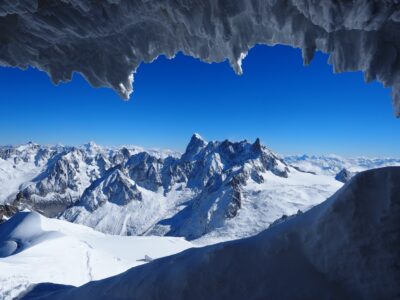
Will Glacier Melt Lead to Increased Seismic Activity in Mountain Regions?
In a recent study, scientists determined that climate change-induced glacial melt may cause more earthquakes.
-
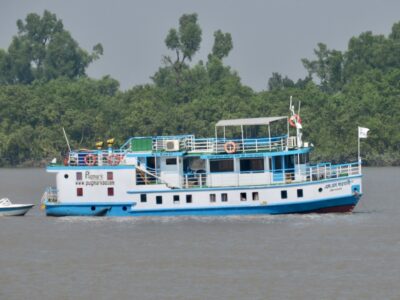
Sailing Around the Bangladesh Coastal Zone
The future sustainability of the delta depends on the balance of sea level rise, the subsidence of the land, and the deposition of sediments that can help maintain the land.
-
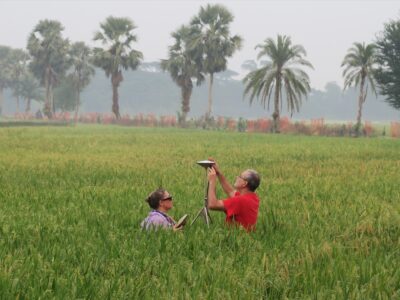
Driving Around the Bangladesh Coastal Zone
Mike Steckler travels around the coastal zone of the world’s largest delta in Bangladesh to repair GNSS (GPS) instruments.
-

Reducing Arsenic in Drinking Water Cuts Risk of Death, Even After Years of Chronic Exposure
Published today in JAMA, a 20-year study of nearly 11,000 adults in Bangladesh found that lowering arsenic levels in drinking water reduced the risk of death from chronic illnesses, compared with continued exposure.
-
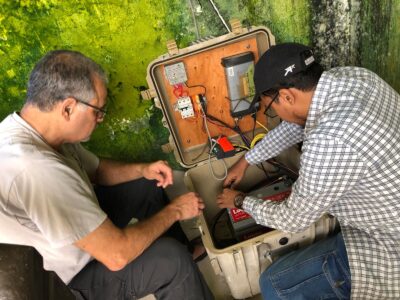
Continuing on to Comilla, Dhaka and the Coast
After finishing fixing their global navigation satellite system equipment in Sylhet, Mike Steckler and his team traveled south to repair more stations in Comilla, then to Dhaka and the coast.
-
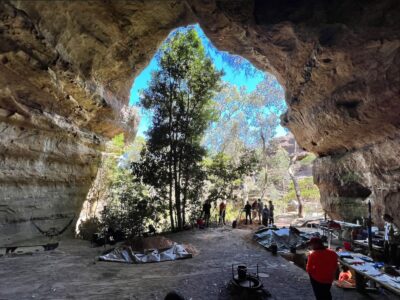
Humans Occupied a High-Altitude Site in Australia During the Last Ice Age, New Study Finds
Archaeologists and local First Nations groups have uncovered early evidence that reshapes our historical understanding of high-altitude human occupation and mobility.
-
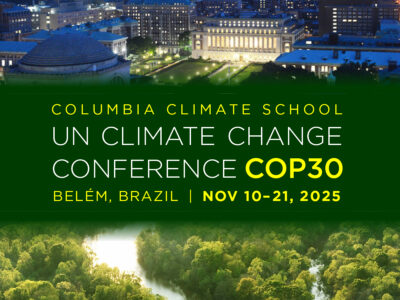
10 Delegates From Columbia and the Climate School Discuss What They Hope to Achieve at COP30
Columbia and Climate School representatives share their goals for this year’s global climate summit in Brazil.
-
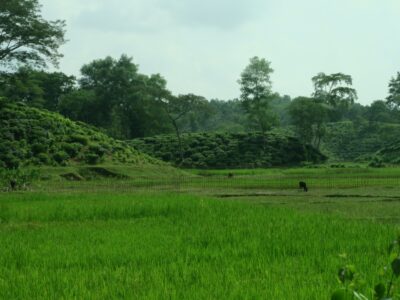
Repairing Global Navigation Satellite Systems in the Land of Tea
Mike Steckler is back in Sylhet, Bangladesh, to repair GNSS stations that are monitoring tectonics and earthquake hazards, and measuring the sinking of the land in the world’s biggest delta.


By studying thousands of buildings and analyzing their electricity use, Columbia Climate School Dean Alexis Abramson has been able to uncover ways to significantly cut energy consumption and emissions. Watch the Video: “Engineering a Cooler Future Through Smarter Buildings“
