Lamont-Doherty Earth Observatory4
-
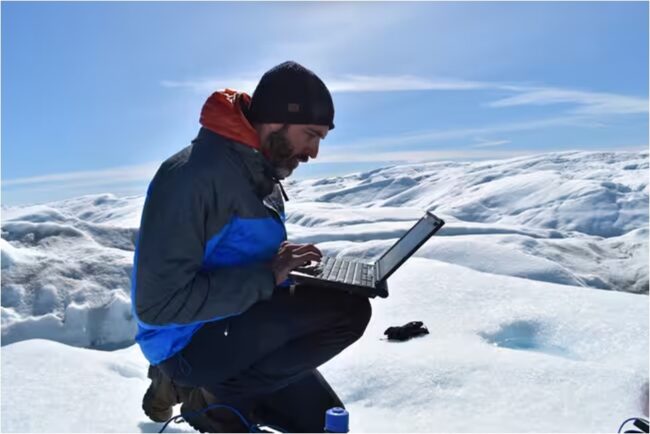
Climate Scientist Marco Tedesco Examines What Responsible AI Could Look Like
The Lamont-Doherty Earth Observatory researcher is helping launch an AI working group to explore how AI can support climate research without undermining ethics, equity or scientific judgment.
-
What Happens to Our Brains in a Warming World?
Climate change is already reshaping our brains. How do we act earlier, build resilience and change the trajectory for generations to come?
-
Wildfire Smoke Returns: What to Know About This Week’s Air Quality
Air pollution expert Dan Westervelt discusses this summer’s wildfires and resulting air quality in New York City and beyond.
-
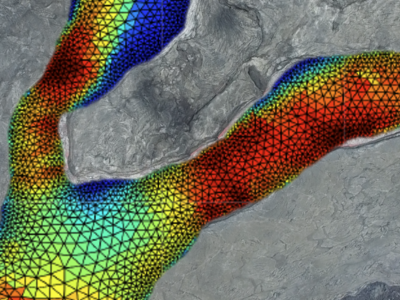
Study Reveals How Gas Bubbles Shaped Kīlauea’s 2018 Lava Flow
New research shows that gas bubbles played a central role in controlling how fast and far the lava traveled, and that lava flow models need to account for bubbles to more accurately forecast where lava will stop.
-
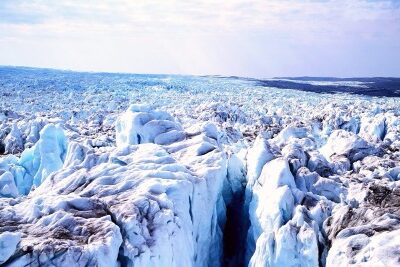
Massive Calving Episode in Greenland May Foreshadow More Rapid Ice Sheet Loss
Researchers studying a lake drainage event in Greenland determined that large amounts of meltwater can lead to massive glacier calving events and accelerate ice sheet loss.
-
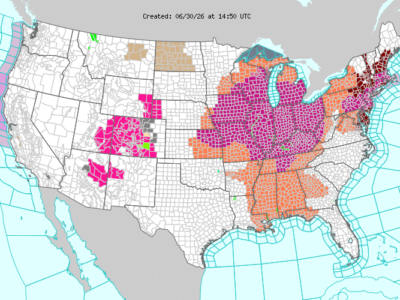
Extreme Heat Is Here: What Columbia Climate School Experts Want You to Know
As a dangerous early-summer heat wave covers swaths of the globe, Columbia Climate School experts discuss the impacts of extreme heat.
-
New U.N. Resolution Urges Member States to Act for Glacier Preservation
The resolution, spearheaded by Tajikistan (along with Peru and Bhutan), marks a historic first for Central Asia. It emphasizes the importance of Indigenous populations affected by glacier loss.
-
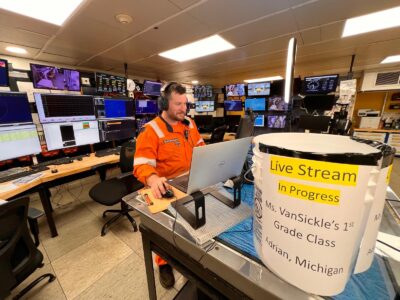
Life Aboard the Langseth: A Q&A With Chief Science Officer Cody Bahlau
On Columbia’s global research vessel, the R/V Marcus G. Langseth, Bahlau serves as the key link between scientists, crewmembers and operations on shore.
-
June Research Roundup: Select Papers
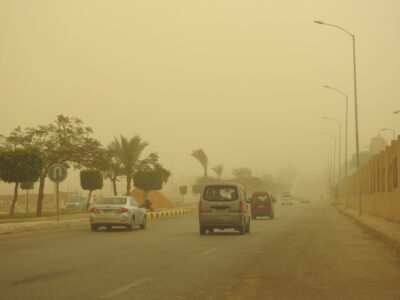
In this month’s edition of our research roundup, we highlight a new study on African air pollution; deep Earth carbon recycling; and a Pacific cooling mystery.


October 28, 2026 is Columbia Giving Day! Your gift to Columbia Climate School helps advance interdisciplinary research, educate the next generation of leaders, and transform bold ideas into real-world solutions for climate, Earth, and society.
