Lamont-Doherty Earth Observatory3
-
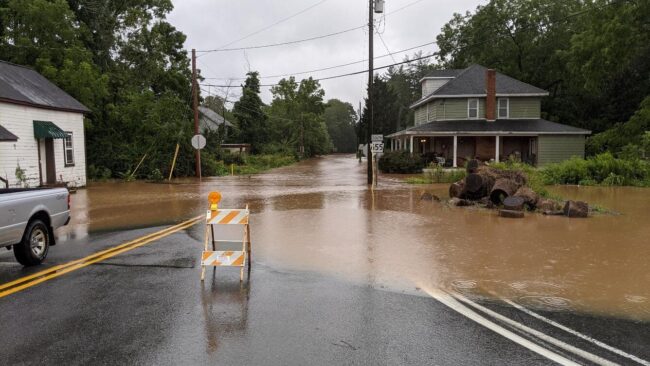
The Changing Shape of Extreme Rain in the U.S.
A recent study led by researchers at Lamont-Doherty Earth Observatory asks how and why the spatial footprint of extreme rainfall in the U.S. has changed since 1980.
-
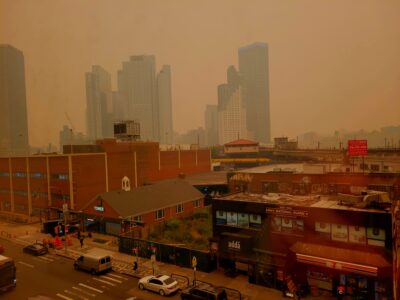
Accounting for Compounding Climate Events in Emergency Management
Climate researchers Marco Tedesco and David Sathuluri reflect on how a single week of heat, smoke and flooding exposed the vulnerability of NYC.
-
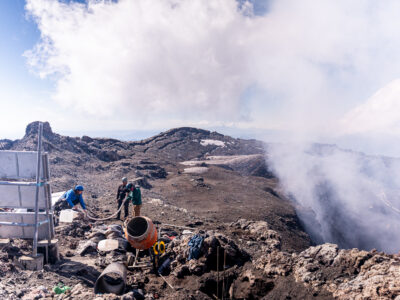
Wiring the Spirit’s House
Lamont scientists Terry Plank and Einat Lev worked with partners in Chile to install a new suite of sensors on the summit of Villarrica, bringing real-time monitoring to one of Chile’s most active volcanoes.
-
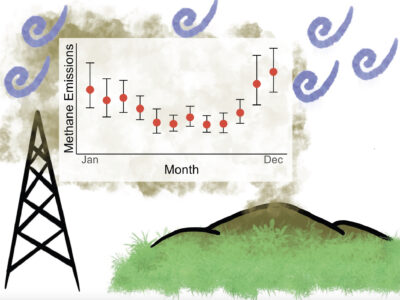
Long-Term Study Suggests Landfill Methane Emissions Are Far Higher Than Estimates
A major New Jersey landfill emitted about five times more methane in 2023 than was reported to the U.S. Environmental Protection Agency.
-

July Research Roundup: Select Papers
This month, we covered the 2026 Environmental Performance Index; how gas bubbles shaped Kīlauea’s lava flow; and the Pacific’s contrasting effects on wildfires. Here are some additional studies worth noting.
-
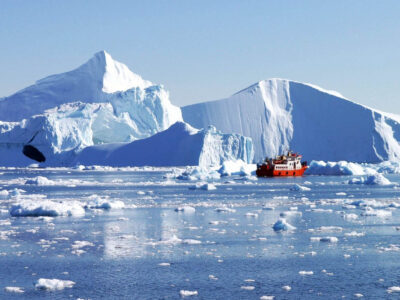
Algal Blooms: A ‘Dark’ Threat to Greenland’s Cooling Capabilities
Recent studies show that the deposition of nutrients on glaciers and ice sheets is causing rapid algal growth, reducing glacier albedo and warming the planet.
-
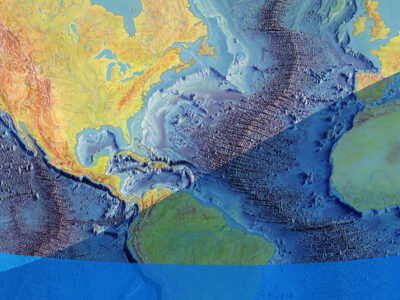
Interactive: The Heezen–Tharp World Ocean Floor Map
Explore Marie Tharp’s groundbreaking 1977 World Ocean Floor map and discover how it transformed our understanding of the Earth.
-
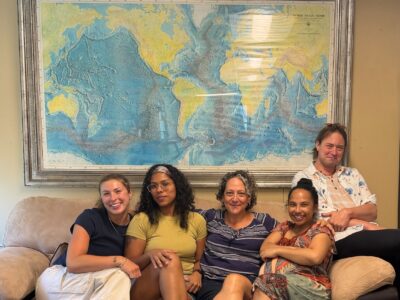
From Marie Tharp to Seabed 2030: Marine Geophysicist Vicki Ferrini on Mapping the Ocean Floor
In honor of Tharp’s birthday, Ferrini discusses the geologist’s pioneering work and how it paved the way for her own collaborative efforts to map the ocean floor.
-
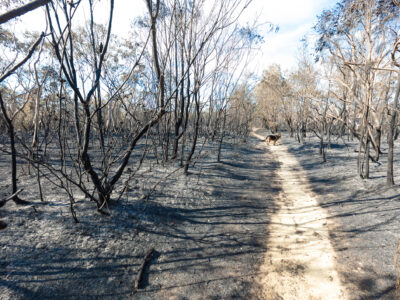
Pacific Ocean Pattern Helps Explain Diverging Wildfire Trends in U.S. and Australia
Two of the world’s most fire-prone regions have followed strikingly different wildfire trajectories despite both experiencing a warming climate.


October 28, 2026 is Columbia Giving Day! Your gift to Columbia Climate School helps advance interdisciplinary research, educate the next generation of leaders, and transform bold ideas into real-world solutions for climate, Earth, and society.
