Lamont-Doherty Earth Observatory7
-
Columbia Beautiful Planet 2026
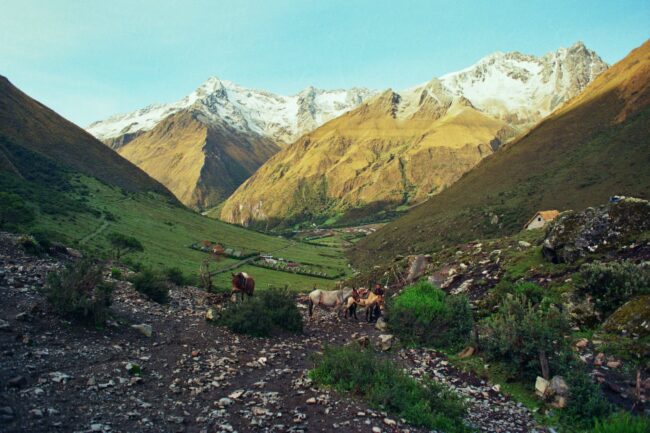
Once again, we honor Earth Day by sharing some amazing photos celebrating the beauty and magic of our planet, as captured by the Columbia community.
-
Climate School Experts on Congestion Pricing’s First Year
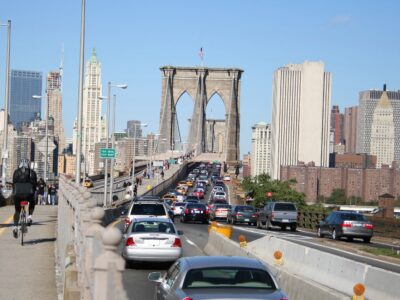
Three Climate School experts weigh in on the success of New York City’s congestion pricing program.
-
Tree Rings Reveal Hurricane Impacts and Emerging Sea-Level Stress in Coastal Forests
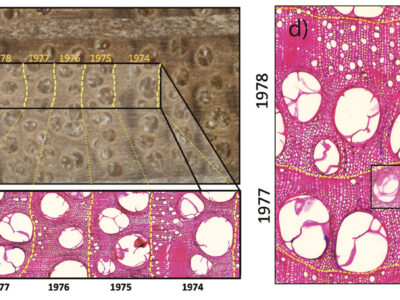
New research suggests that trees largely recover from storms within two years, and that coastal trees may be stressed from sea-level rise.
-
In an Alpine Plant Species, Ancient Alleles May Help Drive Climate Change Adaptation
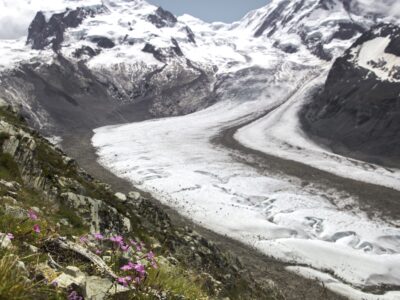
Researchers found that two alleles in the wood pink plant species may allow the perennials to adapt to warming temperatures.
-
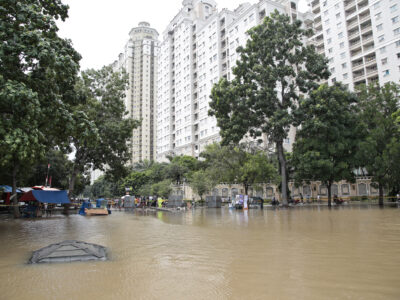
Sinking Land Drives Hidden Flood Risk in One of the World’s Most Populated Regions
A new study finds that land subsidence is outpacing ocean-driven sea-level rise along the northern coastline of Java Island, Indonesia.
-
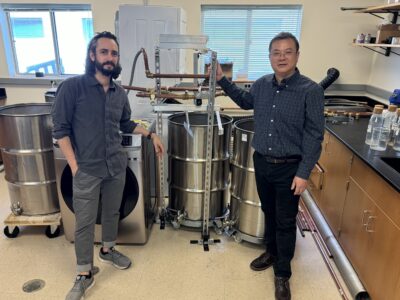
Two Sustainability Students See Opportunity Hidden in Laundry-Induced Microplastic Pollution
Students and faculty at Columbia’s M.S. in Sustainability Management and Sustainability Science programs turned cutting-edge research on microplastics into Moby Filter, a sustainability startup tackling laundry-induced pollution at its source.
-
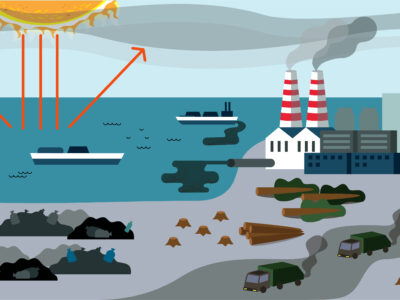
A Complicated Future for a Methane-Cleansing Molecule
A new model shows how levels of the “atmosphere’s detergent” may rise and fall in response to climate change.
-
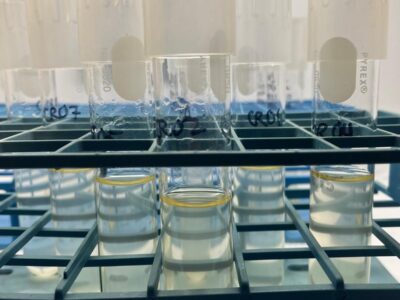
New Study Reveals Hidden “Chemical Currency” Fueling the Ocean’s Carbon Cycle
This research identifies a diverse set of molecules released by marine phytoplankton that fuel microbial life and help drive Earth’s carbon cycle.
-

These Glacier Guardians Are Women
From a photography exhibit of a high-mountain community in the Peruvian Andes to leading research by Columbia scientists, a recent panel celebrated the knowledge and work of women in and around glaciers.


October 28, 2026 is Columbia Giving Day! Your gift to Columbia Climate School helps advance interdisciplinary research, educate the next generation of leaders, and transform bold ideas into real-world solutions for climate, Earth, and society.
