natural disasters9
-
It’s 2025. Where Do Most People Live?
Researchers at the Center for Climate Systems Research (CCSR), a part of The Earth Institute, have developed a high-resolution map of projected population change for the year 2025. The innovative map shows a world with large areas of population loss in parts of Eastern Europe and Asia, but significant gains elsewhere. The work, Mapping the…
-
Study Shows Lack of National Consensus on Teaching K-12 Students about Human-Environmental Impacts
The destruction caused by natural disasters such as Hurricane Katrina and human activities such as mountaintop removal mining are powerful examples of how the environment and society are tightly interwoven. But to what extent do, or should, state science curricula in the U.S. seek to investigate or influence the nature of this interaction? That is…
-
Reducing the Impact of Mother Nature
During live Q&A, expert in natural disasters explains ways to mitigate damage
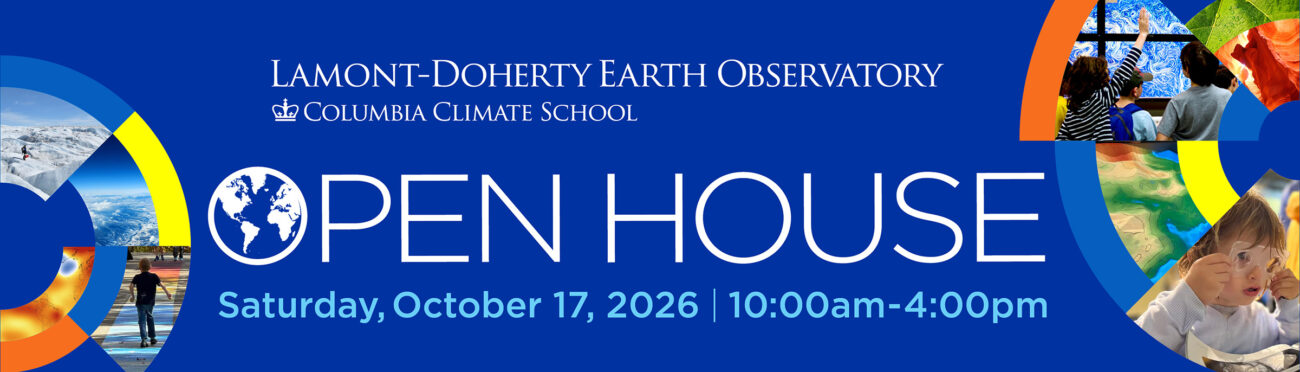
On Saturday, October 17, 2026 from 10am to 4pm, Lamont-Doherty Earth Observatory Open House—our biggest, best science fun and discovery event of the year—will take place on our beautiful campus in Palisades, NY. Mark your calendar and join us for this free, family-friendly celebration of science! RSVP Today!