NOAA
-
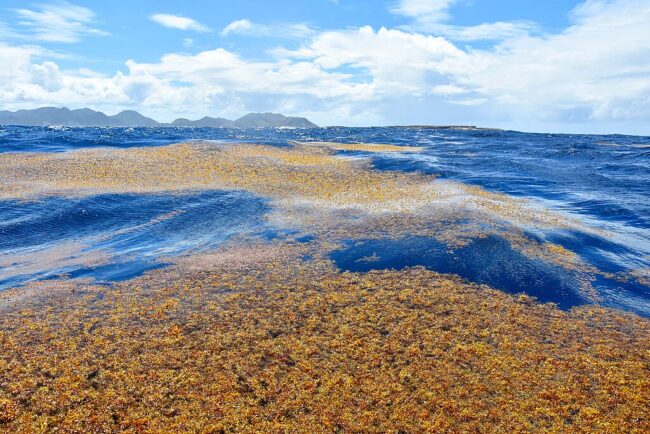
Harnessing AI, Scientists Discover a Rise in Floating Algae Across the Global Ocean
A recent study demonstrates the power of artificial intelligence as a tool for processing large amounts of ocean data.
-
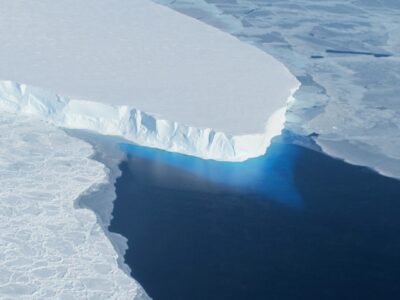
Columbia Will Co-Lead Major Project To Study Global Carbon Cycle
Awarded by Schmidt Sciences, a new grant will provide up to $45 million to four interdisciplinary teams of researchers who will seek to improve climate modeling across land, air and sea.
-

How to Prepare for a Stormy “Supercharged” September
As storms and disasters become less predictable and more extreme, it’s important to understand the risks where you live and have emergency plans in place.
-

Combating Microplastics With AI Real-Time Monitoring
Columbia Climate School and Columbia Engineering win a grant from the National Oceanic and Atmospheric Administration to develop AI for sustainable waterways and ocean health.
-

Planting Some Tree Species May Worsen, Not Improve, NYC Air, Says New Study
New York is planting large numbers of trees in order to improve the city’s livability. But emissions from some species interact with tailpipe and building pollutants to form smog.
-

Columbia Energy Exchange Podcast: What to Make of Extreme Weather Predictions
Why are extreme weather events worsening? How is climate change contributing to this development? And what measures are being taken to adapt to this new reality?
-

A Key U.S. Earth-Sciences Official Visits Columbia to Explore Research Ideas
Oceanographer Richard Spinrad of NOAA participated in a town hall and discussed funding opportunities with Columbia Climate School researchers.
-

Rebuilding America’s Environmental Agencies and Environmental Consensus
If we can wed the genius of free enterprise to the goal of a less polluted planet, we might find a pathway back to an American environmental consensus.
-

How Will the Ocean Carbon Cycle Evolve in the Future? New Project Aims to Find Out
A new effort to analyze the ocean’s ability to take up CO2 will be important for predicting the effectiveness of climate change mitigation efforts.


By studying thousands of buildings and analyzing their electricity use, Columbia Climate School Dean Alexis Abramson has been able to uncover ways to significantly cut energy consumption and emissions. Watch the Video: “Engineering a Cooler Future Through Smarter Buildings“
