research15
-
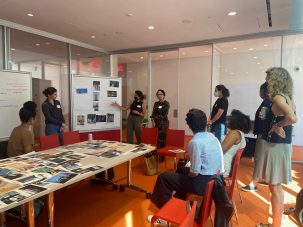
Columbia’s Earth Networks Offer Collaborative and Innovative Opportunities to Address Climate Change
Whether working on plastics, sports, food, or environmental justice, each Earth Network provides a unique approach to a shared challenge.
-

How to Adapt to Climate Change, and How Not To
Adapting to climate change might seem to be all to the good, but some adaptations have negative effects that must be weighed against the positives.
-

New Report Highlights the Complex Intersection of Antitrust Law and Sustainability Goals
The purpose of this new report is to provoke and support engagement among policymakers, private firms, and the wider public about the ways that competition policy can support sustainable development.
-

New Toolkit Models Climate Litigation Risk
A new report from the Sabin Center provides a climate adaptation toolkit for the insurance industry.
-

New Study Pins Time of Greenland’s Last Melting to Some 400,000 Years Ago
A study adds evidence that the Greenland Ice Sheet will be vulnerable to human-induced climate change in coming centuries.
-

Research Links Climate Change to Lazier Jet Stream, Leading to Extreme Weather
A new study links climate change to increasing stalling of the jet stream, but also highlights uncertainties in climate models.
-

Study Highlights 6 Tools for Decolonizing Climate Research
While there’s no quick fix for the legacies of colonization, researchers argue that it starts with recognizing Indigenous knowledge systems alongside Western scientific methods.
-

State Legislatures Continue to Enact Disaster Policies in 2023
States have already filed at least 103 bills related to disaster resilience. Columbia Climate School’s National Center for Disaster Preparedness reports on what has been achieved so far.
-

Report Finds 228 Local Restrictions Against Siting Wind, Solar, and Other Renewables
Renewable energy projects have encountered significant opposition in at least 45 states, according to a new report.



On Saturday, October 17, 2026 from 10am to 4pm, Lamont-Doherty Earth Observatory Open House—our biggest, best science fun and discovery event of the year—will take place on our beautiful campus in Palisades, NY. Mark your calendar and join us for this free, family-friendly celebration of science! RSVP Today!
