research2
-
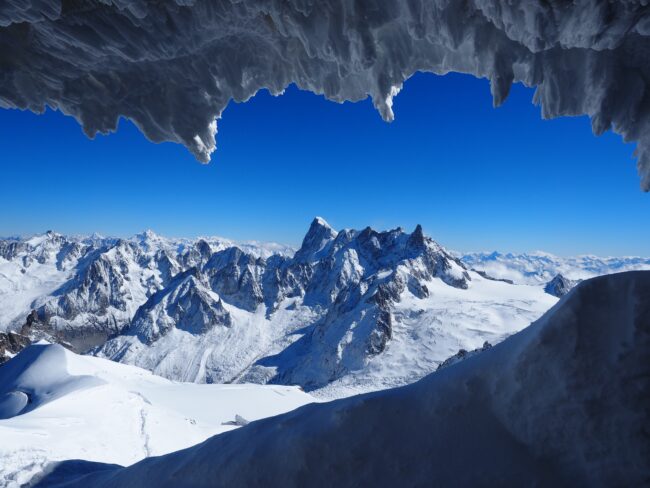
Will Glacier Melt Lead to Increased Seismic Activity in Mountain Regions?
In a recent study, scientists determined that climate change-induced glacial melt may cause more earthquakes.
-

Sailing Around the Bangladesh Coastal Zone
The future sustainability of the delta depends on the balance of sea level rise, the subsidence of the land, and the deposition of sediments that can help maintain the land.
-
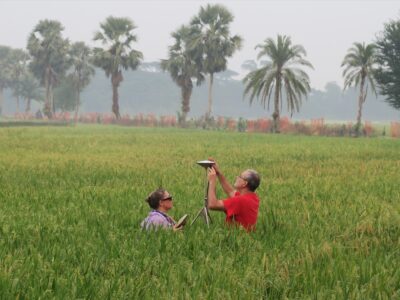
Driving Around the Bangladesh Coastal Zone
Mike Steckler travels around the coastal zone of the world’s largest delta in Bangladesh to repair GNSS (GPS) instruments.
-

Reducing Arsenic in Drinking Water Cuts Risk of Death, Even After Years of Chronic Exposure
Published today in JAMA, a 20-year study of nearly 11,000 adults in Bangladesh found that lowering arsenic levels in drinking water reduced the risk of death from chronic illnesses, compared with continued exposure.
-

Continuing on to Comilla, Dhaka and the Coast
After finishing fixing their global navigation satellite system equipment in Sylhet, Mike Steckler and his team traveled south to repair more stations in Comilla, then to Dhaka and the coast.
-
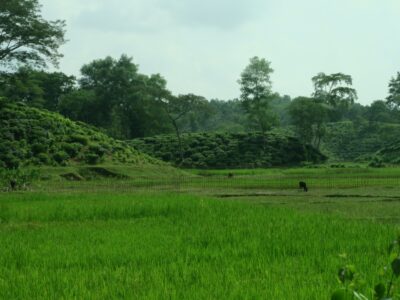
Repairing Global Navigation Satellite Systems in the Land of Tea
Mike Steckler is back in Sylhet, Bangladesh, to repair GNSS stations that are monitoring tectonics and earthquake hazards, and measuring the sinking of the land in the world’s biggest delta.
-
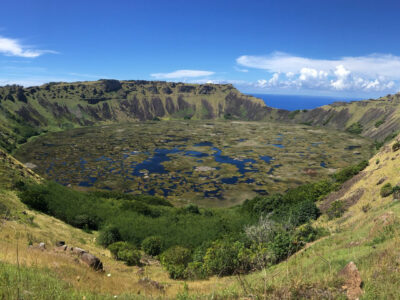
What Really Happened on Easter Island? Ancient Sediments Rewrite the “Ecocide” Story
A new study challenges long-held narratives of societal “collapse,” instead showing that Rapanui communities adapted to profound climate stress with resilience and innovation.
-
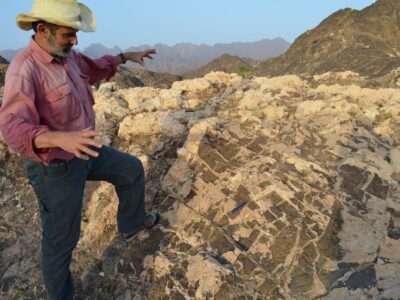
Earth’s Continents Stabilized Due to Furnace-Like Heat, Study Reveals
The new discovery has implications beyond geologic history, such as the search for critical minerals and habitable planets beyond Earth.
-

Nine Lamont-Doherty Earth Observatory Researchers Honored by Leading Scientific Organizations
Scientists connected with the Lamont-Doherty Earth Observatory, which is part of the Columbia Climate School, received notable accolades from renowned national and international research societies this fall.


By studying thousands of buildings and analyzing their electricity use, Columbia Climate School Dean Alexis Abramson has been able to uncover ways to significantly cut energy consumption and emissions. Watch the Video: “Engineering a Cooler Future Through Smarter Buildings“
