20244
-

How Climate Change Impacts Renewable Energy
Because renewable energy sources depend on the environment, both the supply of and demand for renewables are affected by climate impacts such as high heat, drought, altered precipitation patterns, flooding, extreme weather and wildfires.
-

Columbia Climate School Announces New Dual Degree with the Graduate School of Architecture, Planning and Preservation
By integrating climate expertise with architecture and urban design, the MS in Climate and the MS in Architecture and Urban Design program equips students with the tools to build sustainable and climate-responsive communities.
-

‘Doomsday’ Antarctic Glacier Melting Faster Than Expected, Fueling Calls for Geoengineering
With the fate of the Thwaites Glacier still uncertain, some experts are pushing for geoengineering and more intense climate action.
-
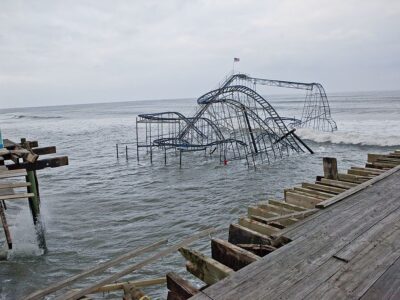
Twelve Years After Sandy, Have We Gotten Better at Preparing for Disaster?
Jeffrey Schlegelmilch, the director of Columbia’s National Center for Disaster Preparedness, reflects on applying lessons from Hurricane Sandy to more recent disasters.
-

Dinosaurs Thrived After Ice, Not Fire, Says a New Study of Ancient Volcanism
The leading hypothesis for a mass extinction that cleared the way for dinosaurs to dominate the Earth has long been excessive heat. A new study says the opposite.
-

Climate School Announces Faculty Tenured in 2024
Four professors joined Columbia Climate School’s tenured faculty this year.
-

Unlocking Climate Finance: Navigating Challenges, Tools and Strategies for a Net-Zero Future
A professional learning workshop will teach participants from diverse backgrounds all about the complexities and opportunities for climate finance.
-

Highlights From the 2024 Lamont Open House: 75th Anniversary Edition
Through interactive exhibits, games and lectures, people of all ages learned about geology, earth science and climate change.
-

Tree Rings, Climate Change and the Rainy Season
Seeking to understand the history of the southeast Asian monsoon, researchers venture into the remote highlands of Vietnam to sample the rings of behemoth cypress trees that have survived for a thousand years.


The first Earth Day in 1970 ignited a movement to stop polluting our planet. Today, our scientists and experts are tackling the most pressing challenges to achieve real-world impact. This Earth Day, join us in our commitment to realizing a just and sustainable future for our planet. Visit our Earth Day website for ideas, resources, and inspiration.
