Author: Guest4

-
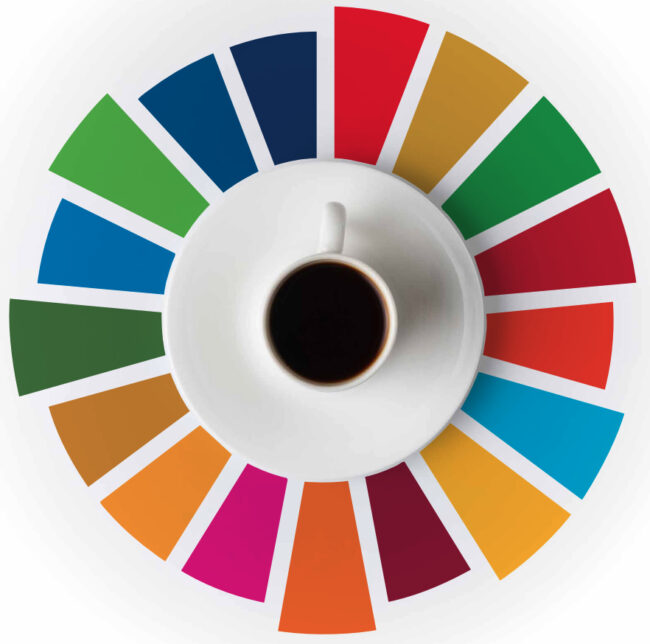
A Whole-Systems Investment Approach for the Coffee Sector and Beyond
A new handbook showcases a methodology for collaborative investment planning.
-
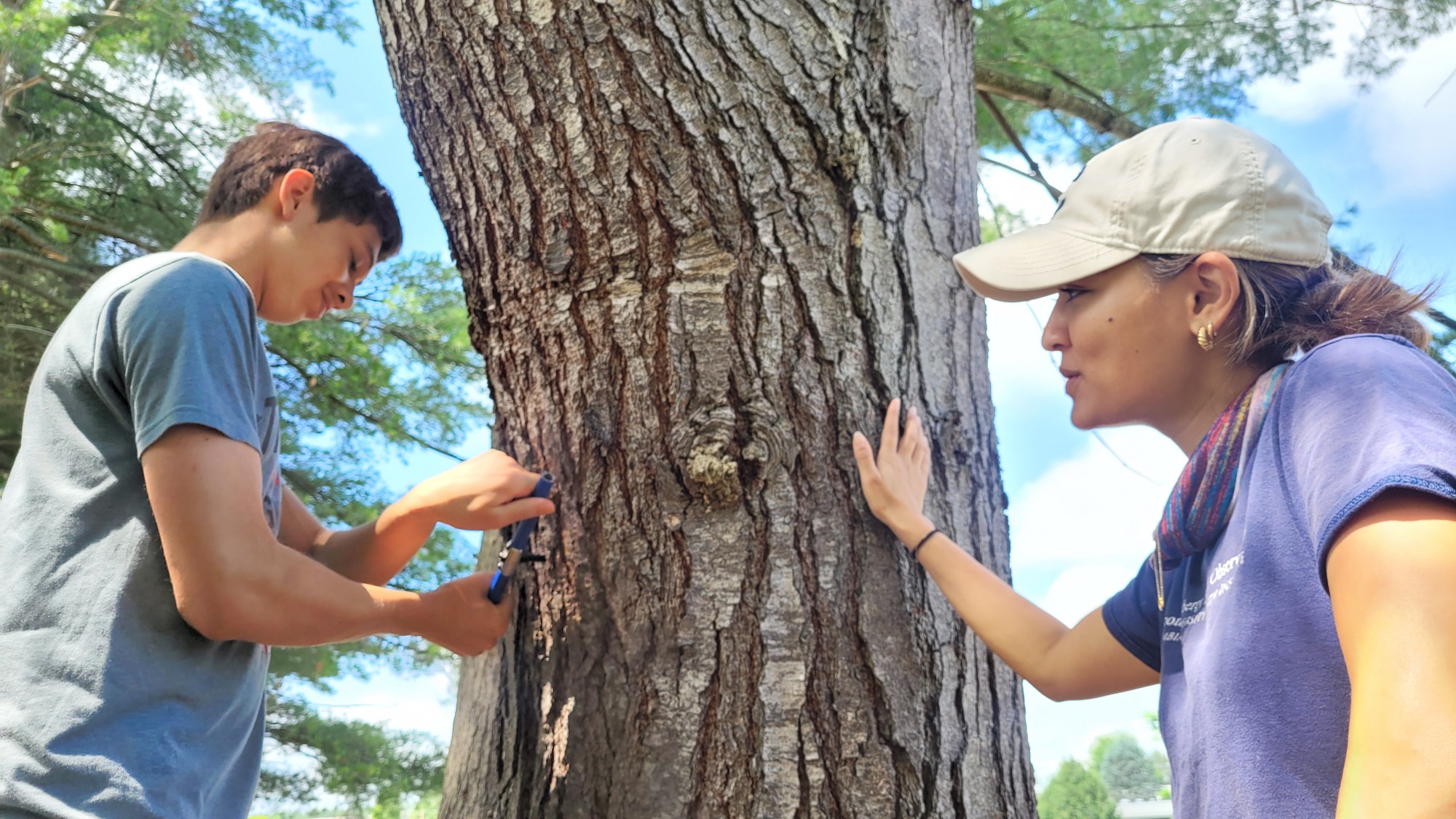
Discover Climate LIVE K12 Sessions for 2025-2026
From October to June, Climate School researchers and students will share expertise on topics ranging from climate justice, biodiversity systems, fashion and energy, to youth-focused climate solutions.
-
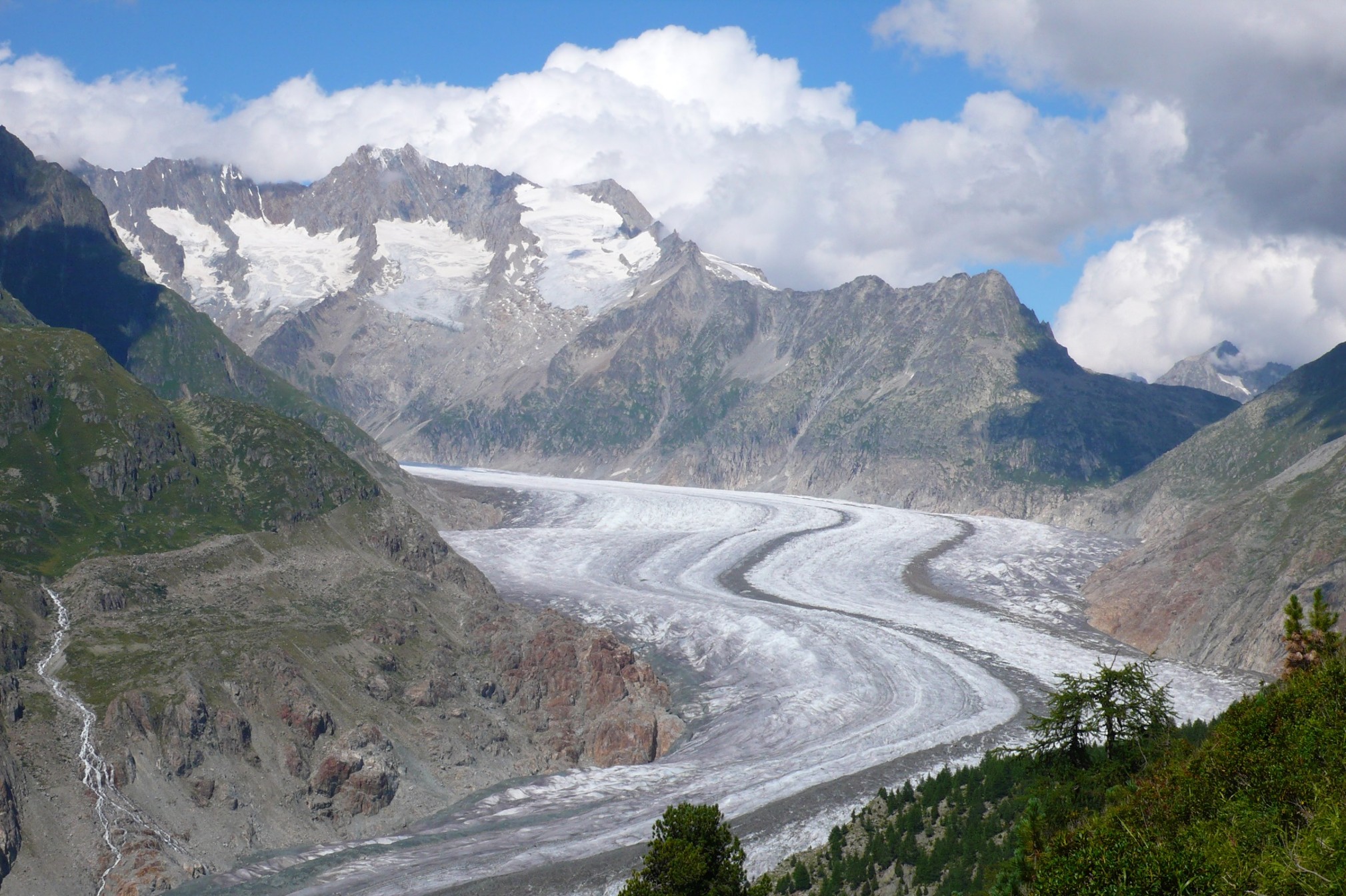
Exploring Legal Tools for Glacier Protection: Who Speaks for Glaciers?
Can “rights of nature” laws be used to protect both humans and glaciers?
-
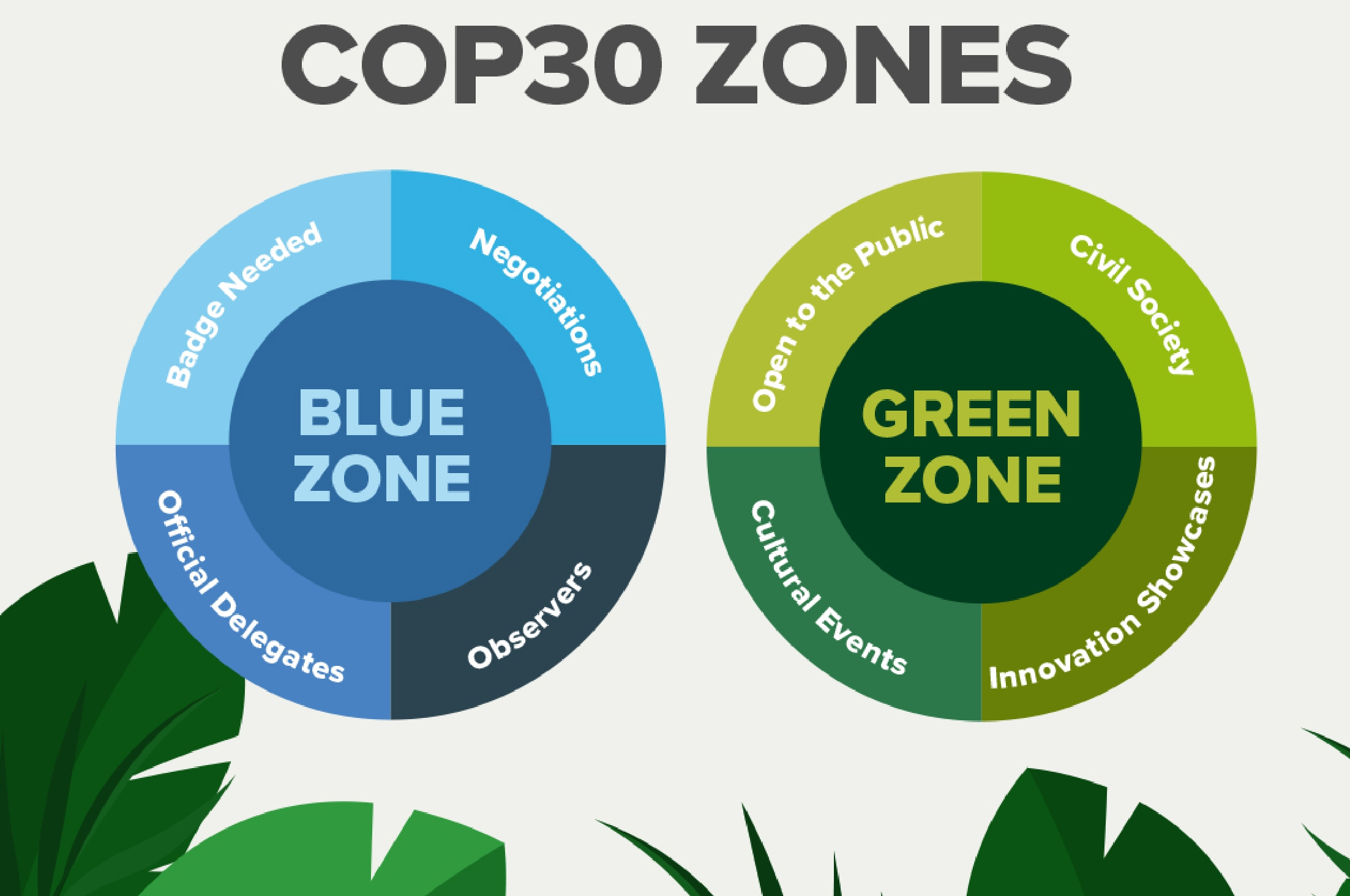
Infographic: Moments that Paved the Path to COP30
Check out our COP infographic to learn about other major COP moments throughout history; thematic days at COP30; and why it’s important to differentiate between the “blue” and “green” zones.
-
COP30: The Road to Belém
As the first COP hosted in the Amazon, COP30 will likely bring to the forefront discussions on the intersection of climate, nature and justice.
-
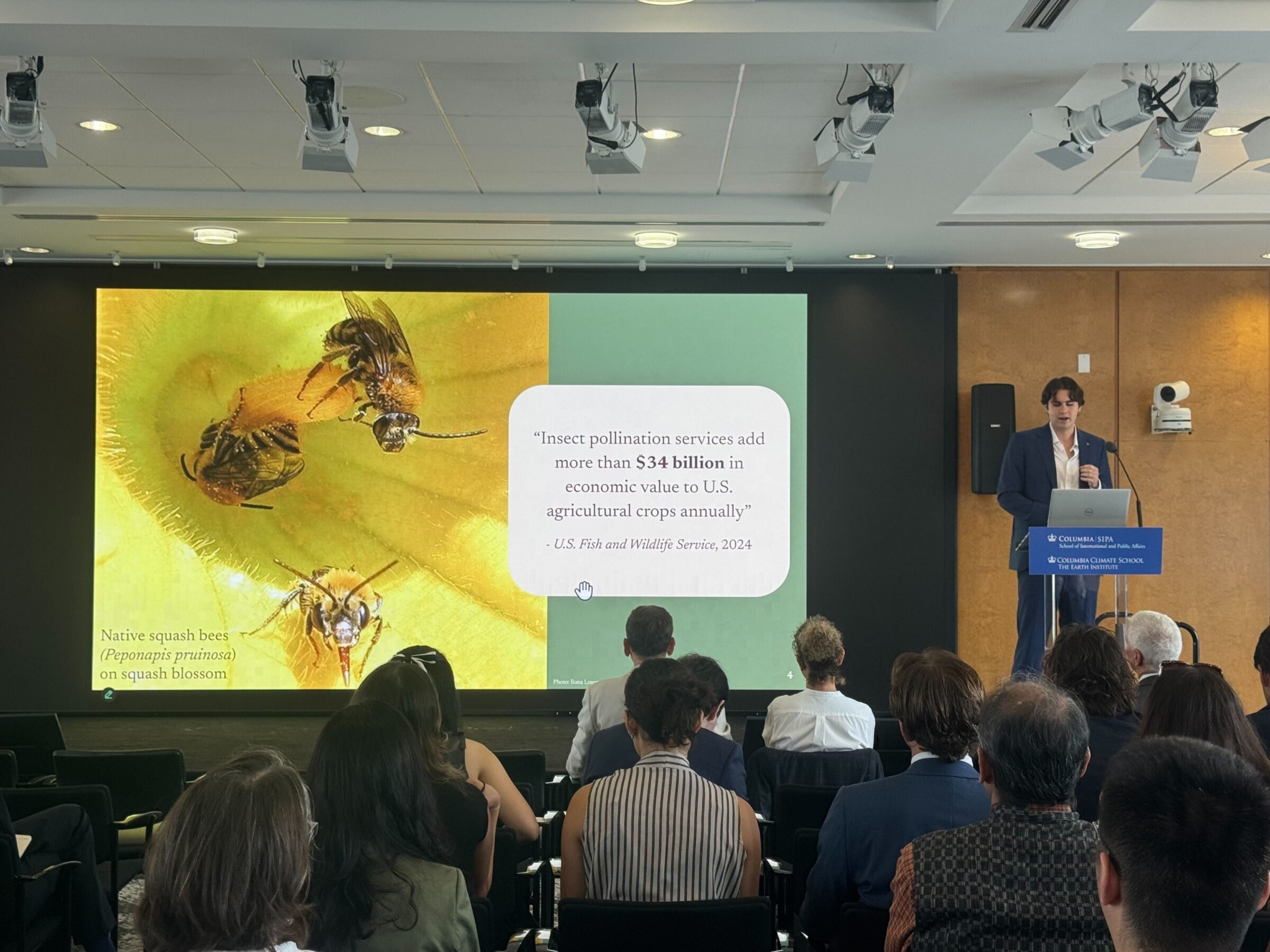
MPA-ESP Students Brief Policymakers on Environmental Bills Shaping New York’s Future
In their final briefings, students explored the many ways science can inform policy, from fashion and drinking water to pollinators, animal markets and urban shade.
-
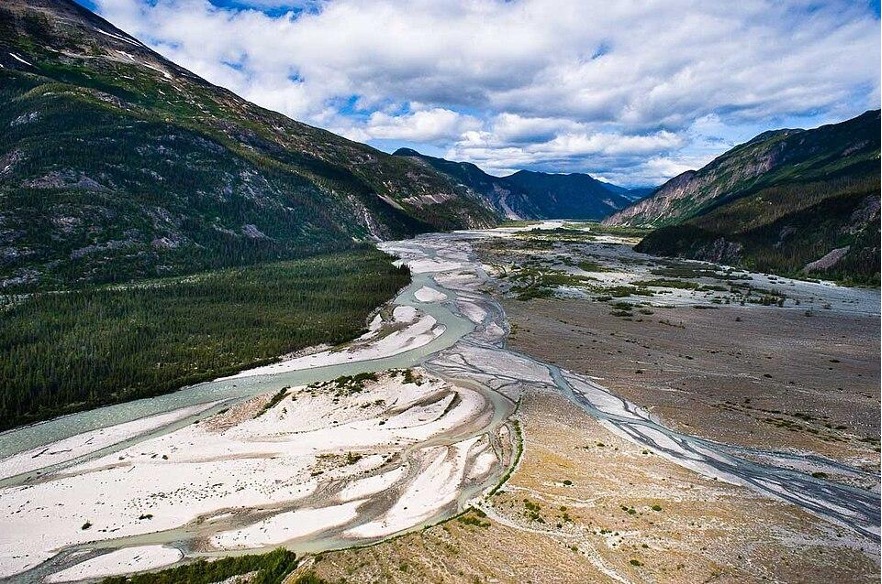
As a Glacier Retreats, a Gold Mine Advances. Why Are Some Locals Angry?
A Canadian mining company is seeking approval to renew gold mining operations in northwestern British Columbia, but they face opposition from First Nations, environmental nonprofits and downstream Alaskan communities.
-
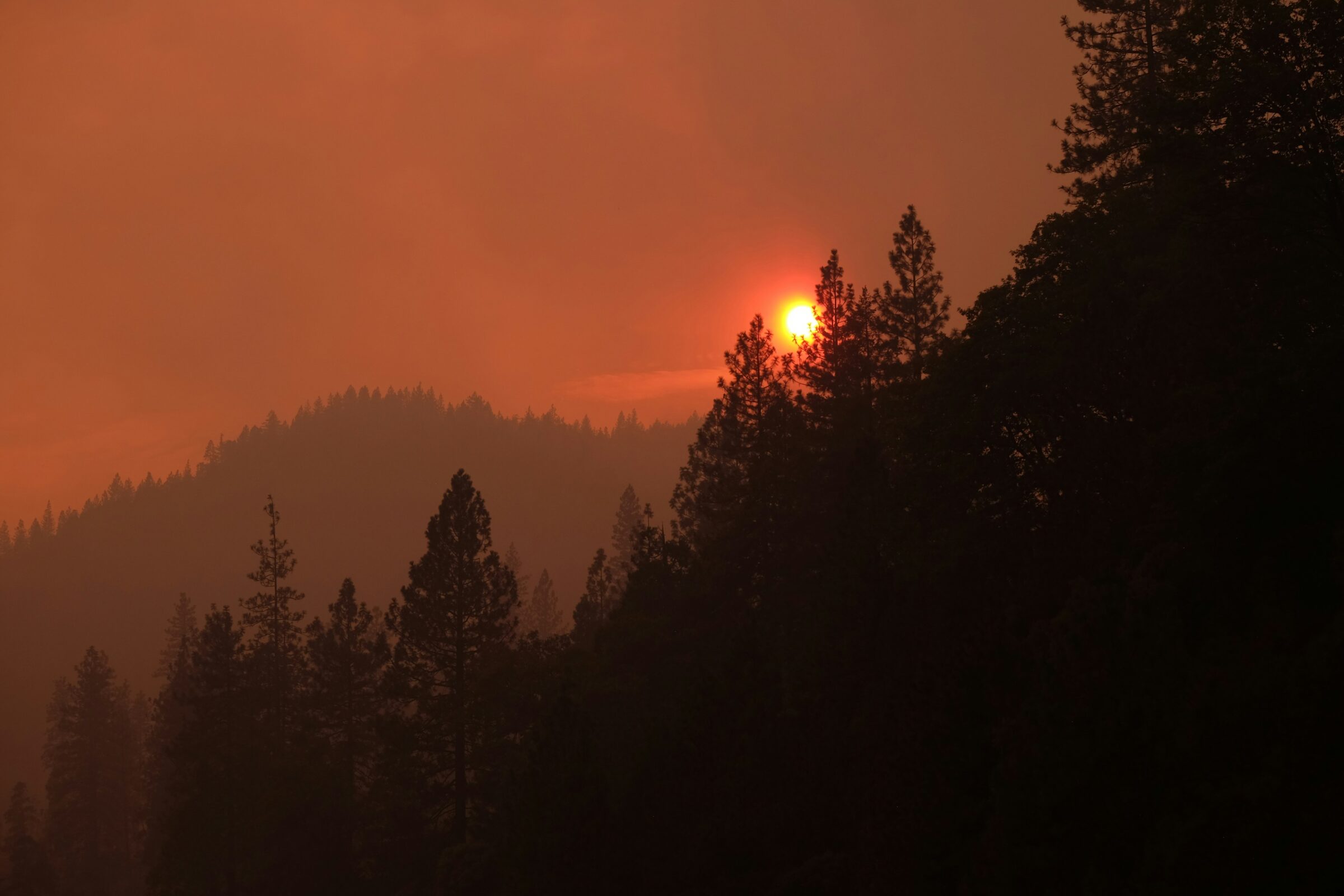
Building Climate Resilience Through Insurance Incentives
How can insurance drive smarter resilience investments? A group of M.A. in Climate and Society students aimed to find out.
-
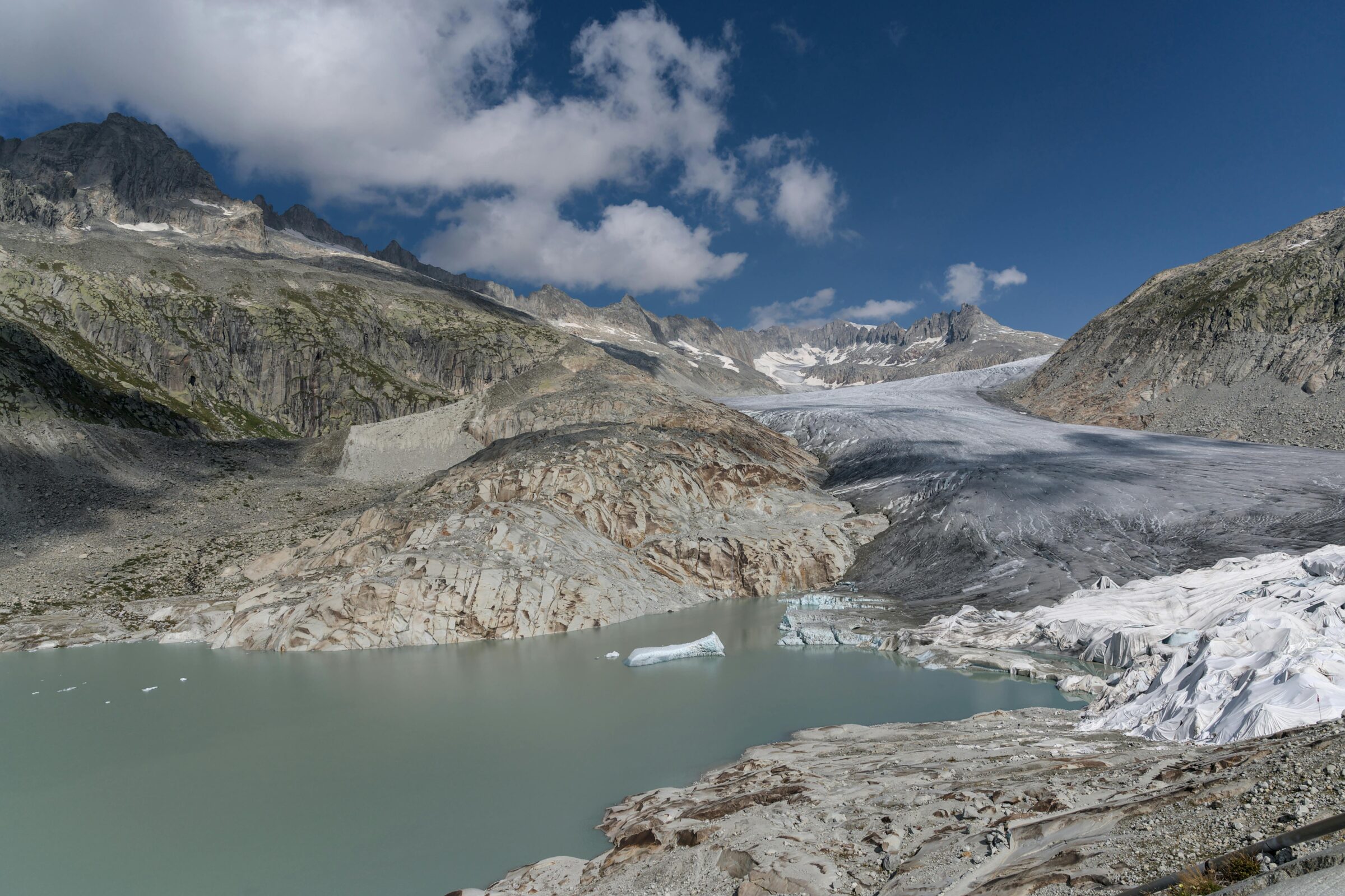
Will New Areas Uncovered by Glacier Melt Boost Swiss Hydropower and Clean Energy Goals?
A Swiss government report reveals that efforts to locate major hydropower resources on land exposed by glacier retreat are entangled with ecological and legal challenges.


