Climate191
-
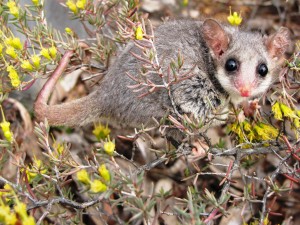
Climate Change Poses Challenges to Plants and Animals
Because of climate change, spring, summer, fall and winter in the temperate zones are all arriving on average 1.7 days earlier than they ever have before. The changing climate with its more extreme weather is affecting many plant and animal species, disturbing their habitat and disrupting ecosystem functioning. How will plants and animals deal with…
-

Study Finds Genetic Clues to How Plants Adapt to Climate
Using supercomputers to analyze hundreds of thousands of genetic markers, scientists say they have found how a common weed uses its genetic code to adapt to changes in its environment such as cold and drought. The findings could help develop crops that are more adaptable to climate change.
-
2014 Was Warmest Year in Modern Record, Say Two U.S. Reports
Data in Accord With Other Nations’ Studies
-

What Will You Leave Behind? How Personal Legacy Affects Pro-environmental Behavior
New research from the Center for Research on Environmental Decisions finds that personal legacy can be a motivator to encourage pro-environmental behaviors.
-

Paths to Decarbonization: A Live Twitter Q&A
@UNSDSN is hosting a live Twitter Q&A on Friday, Dec. 19, from 1-2 p.m. EST with Jim Williams, chief scientist at Energy and Environmental Economics Inc. and lead author on the U.S. Deep Decarbonization Pathways Project report. You can send in your questions before and during the live chat on Twitter or Facebook by using…
-

Talking Climate: a New Guide to More Effective Communication
What motivates people to accept or reject climate change? What do personal and political values have to do with it? How can you best get your message across? A new guide to climate change communication offers some of the answers.
-

Linking Climate, Security and Development to Fragility in Haiti
As part of the Fall 2014 Haiti Dialogue Series organized by the Earth Institute’s Haiti Research and Policy Program, a group of faculty, researchers, students and policymakers gathered to discuss the latest research linking climate change, natural hazards, development and fragility in Haiti.
-

Exploring Antarctica by Sea, Air and Land
Lamont Doherty Earth Observatory scientists are among the many researchers currently doing fieldwork in Antarctica. They’re participating in expeditions near, above and on the continent, doing critical studies that will advance understanding of Antarctica’s land and sea processes.
-

Ice Loss in West Antarctic is Speeding Up
Glaciers in one part of West Antarctica are melting at triple the rate of a decade ago and have become the most significant contributor to sea level rise in that region, a new study says. The study found that the glaciers in the Amundsen Sea Embayment of West Antarctica have shrunk by an average of…


The first Earth Day in 1970 ignited a movement to stop polluting our planet. Today, our scientists and experts are tackling the most pressing challenges to achieve real-world impact. This Earth Day, join us in our commitment to realizing a just and sustainable future for our planet. Visit our Earth Day website for ideas, resources, and inspiration.
