Climate243
-
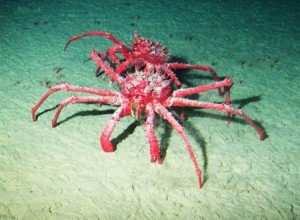
A Sea Change, Deep Under Antarctic Waters
The frigid seabottom off Antarctica holds a surprising riot of life: colorful carpets of sponges, starfish, sea cucumbers and many other soft, bottom-dwelling animals, shown on images from robotic submarines. Now, it appears that many such communities could fast disappear, due to warming climate. Scientists sailing on an icebreaker last year have just published a study showing that gigantic…
-

Climate News Roundup: Week of 9/04
Hurricanes Underscore Insurers’ Lack of Climate Change Readiness, GreenBiz.com, Sept 6 In a press conference to announce the publication of a new report, Sharlene Leurig, senior manager of the insurance program at Ceres and author of the report, stated, “2011 has been a painful and important reminder that changing climate will inflict damage across the…
-

Drilling for Carbon-Storing Rocks in Suburban New York
Under the shopping malls and highways of suburbia, there might one day be a partial fix for global warming. Since August, engineers have been drilling just west of the Tappan Zee Bridge to collect samples of rock from the Newark Basin, an ancient rock formation stretching beneath New York, New Jersey and Pennsylvania. As they…
-

Western Water Woes – Is Big Infrastructure the Way to Go?
Guest Blog by Michael Clark Pat Mulroy, the general manager of the Southern Nevada Water Authority, spoke on July 20 at a US Chamber of Commerce conference, as part of its Invest in Water Initiative, and proposed a bold idea: build a pipeline to divert Mississippi River flood waters to the West. This, she said,…
-

Climate News Roundup: Week of 8/28
Seeing Irene as Harbinger of Change in Climate, New York Times, Aug. 27 As the East Coast recovers from the impacts of Hurricane Irene, the storm has revived a debate on the impacts of human-induced climate change on the strength and frequency of hurricanes. While there is widespread consensus that a warmer world will lead…
-

Insuring Against Drought
Research economist Dan Osgood discusses index insurance and how it is helping some poor rural communities reduce hardships caused by drought in East Africa.
-
Climate News Roundup: Week of 8/21
Standing Against Oil Sands – and Standing for the Climate, Time, Aug 22 Scores of people have been arrested in front of the White House in an ongoing protest urging President Obama to block construction of the proposed Keystone XL pipeline, which would bring crude oil from western Canada’s tar sands developments to the United…
-

A Famine Foretold
Climate and food security expert Jim Hansen lays out the root causes of food insecurity in East Africa.
-

Fears of a Double Dip…La Niña
You’d be forgiven for thinking its 2008 and not just because of the economic uncertainty. Is there a dreaded double dip La Niña in store, too?


The first Earth Day in 1970 ignited a movement to stop polluting our planet. Today, our scientists and experts are tackling the most pressing challenges to achieve real-world impact. This Earth Day, join us in our commitment to realizing a just and sustainable future for our planet. Visit our Earth Day website for ideas, resources, and inspiration.
