Climate37
-

New Study Pins Time of Greenland’s Last Melting to Some 400,000 Years Ago
A study adds evidence that the Greenland Ice Sheet will be vulnerable to human-induced climate change in coming centuries.
-

Research Links Climate Change to Lazier Jet Stream, Leading to Extreme Weather
A new study links climate change to increasing stalling of the jet stream, but also highlights uncertainties in climate models.
-

Climate Change Is Making Travel That Much Harder
Here’s why climate change is making travel harder and what you can do about it.
-

Anticipating and Tracking Climate Refugees in a Warming Africa
Researchers are looking at what drives climate migration, and how it might best be handled.
-

Acutely Exposed to Changing Climate, Many Greenlanders Do Not Blame Humans
The Arctic is warming much faster than most of the world, and because many Greenlanders live close to nature, they are personally feeling the effects. Yet the idea that humans are changing the climate is a stretch for many people. Why?
-

Climate School Announces New Faculty and Academic Leadership Appointments
The new appointees bring expertise in a wide variety of disciplines including climate adaptation, food systems, financial issues, law and paleoclimate.
-

New York’s Climate Buyout Plans Must Put Communities First, Experts Say
At the Managed Retreat conference, hosted by Columbia Climate School, researchers emphasized the need to work together with communities on climate adaptation.
-

Study Highlights 6 Tools for Decolonizing Climate Research
While there’s no quick fix for the legacies of colonization, researchers argue that it starts with recognizing Indigenous knowledge systems alongside Western scientific methods.
-

Can a New Forest Alliance Change Nature Finance for the Better?
The partnership of three countries—Brazil, the Democratic Republic of Congo, and Indonesia—could play a pivotal role in reducing global deforestation.


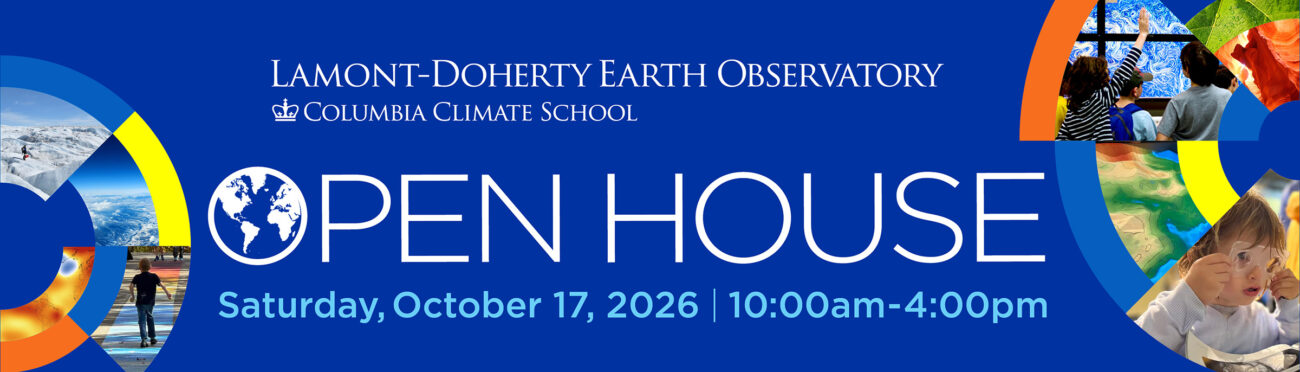
On Saturday, October 17, 2026 from 10am to 4pm, Lamont-Doherty Earth Observatory Open House—our biggest, best science fun and discovery event of the year—will take place on our beautiful campus in Palisades, NY. Mark your calendar and join us for this free, family-friendly celebration of science! RSVP Today!
