Earth Sciences102
-

Khepupara to Kokilmoni
Leaving Dhaka, we spend an entire day getting to Khepupara in southern Bangladesh. Then we spent a long morning installing a GPS to monitor subsidence of the delta before heading back on the road again.
-
Influencing Students Towards a More Sustainable Path
In a recent interview, Dr. Stuart Gaffin provided his thoughts on the direction that the field of sustainability is moving into. In his words, urban environmental research is the topic of the day: “Many cities, including New York, are putting ambitious plans in place to reduce emissions, and implement adaptation practices, including novel green infrastructure…
-

Applying Classroom Theory in the Forest
Under-graduate and graduate students from Columbia University joined professors Kevin Griffin and Matthew Palmer in September for the first of 10 field trips outside of the New York City area. Dr. Griffin and Dr. Palmer teach Forest Ecology, a course that combines classroom theory with hands-on experience and training in methods of ecological field work.
-

To Comilla and Back
I’ve just arrived back in Bangladesh with an engineer to install 6 new GPS stations to add to our studies of earthquake hazards and land subsidence. Our first stop was Comilla University, the westernmost exposed fold of the collision between the Ganges-Bramaputra Delta and the Sumatra-Andaman-Burma plat boundary.
-
State of the Planet Conference: Climate Edition
On October 11, the Earth Institute hosted the sixth iteration of the State of the Planet conference. Held every two years, the conference offers an opportunity to assess the state of global, natural and human systems in order to identify those factors central to achieving sustainable development. The International Research Institute for Climate and Society Director…
-
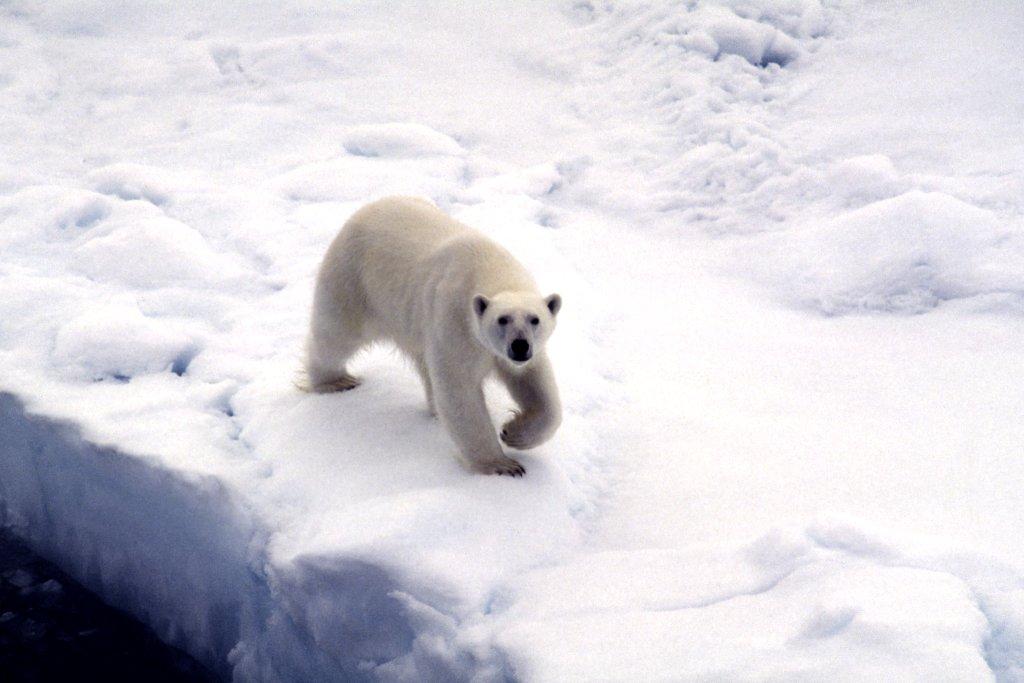
Sustainable Development Seminar Series: A New Record Low in Arctic Sea Ice Extent
On September 19th, the Earth Institute’s Sustainable Development Seminar Series began for the 2012-2013 academic year with “A New Record Low in Arctic Sea Ice Extent.” The first seminar topic brought together a group of Columbia University climate experts and gave them the opportunity to respond to recent Arctic ice findings released by the National…
-

New Software Speeds Carbon Footprinting
Taking a big step towards helping companies accurately label the carbon footprint of their products, researchers at the Earth Institute have developed new software that can calculate the carbon footprints of thousands of products simultaneously.
-
2010 Korea Bomb ‘Tests’ Probably False Alarms, Says Study
Amid Nuclear Tensions, a Seismic Reality Check
-
Volcano Expert Wins MacArthur ‘Genius Grant’
A geochemist who studies the workings of the deep earth and their influence on some of the world’s most explosive volcanoes has been awarded a $500,000 MacArthur Fellowship. Terry Plank, a researcher at Columbia University’s Lamont-Doherty Earth Observatory, joins novelist Junot Diaz, war correspondent David Finkel and filmmaker Natalia Almada in this year’s batch of…


The first Earth Day in 1970 ignited a movement to stop polluting our planet. Today, our scientists and experts are tackling the most pressing challenges to achieve real-world impact. This Earth Day, join us in our commitment to realizing a just and sustainable future for our planet. Visit our Earth Day website for ideas, resources, and inspiration.
