Earth Sciences101
-
Summer Opportunities for Columbia Students at UN Environment Programme
Since the Fall of 2007, the United Nations Environment Programme’s (UNEP) Post-Conflict and Disaster Management Branch (PCDMB) and the Earth Institute, Columbia University, have partnered to offer Research Assistantships each year to Columbia University graduate students. These positions take place at the PCDMB offices in Geneva, Switzerland, each summer. Travel costs will be covered for…
-

Recovering ‘Sea Spiders’ and Heading Home
The NoMelt project is more than just a seismic experiment; it also has an important magnetotelluric (MT) component. MT instruments measure natural magnetic and electric fields on the seafloor, allowing scientists to estimate the electrical conductivity of the underlying rocks. Conductivity is highly sensitive to tiny amounts of water and molten rock within the upper…
-

Santa Comes Bearing an OBS
Recovering OBS instruments from the ocean floor is always a tricky business, especially in our case; these instruments have been sitting beneath more than 3.5 miles of water for over a year. With cold, tired batteries powering the instruments’ acoustic transponders, communicating with them through miles of ocean currents amounts to a whispered conversation on…
-
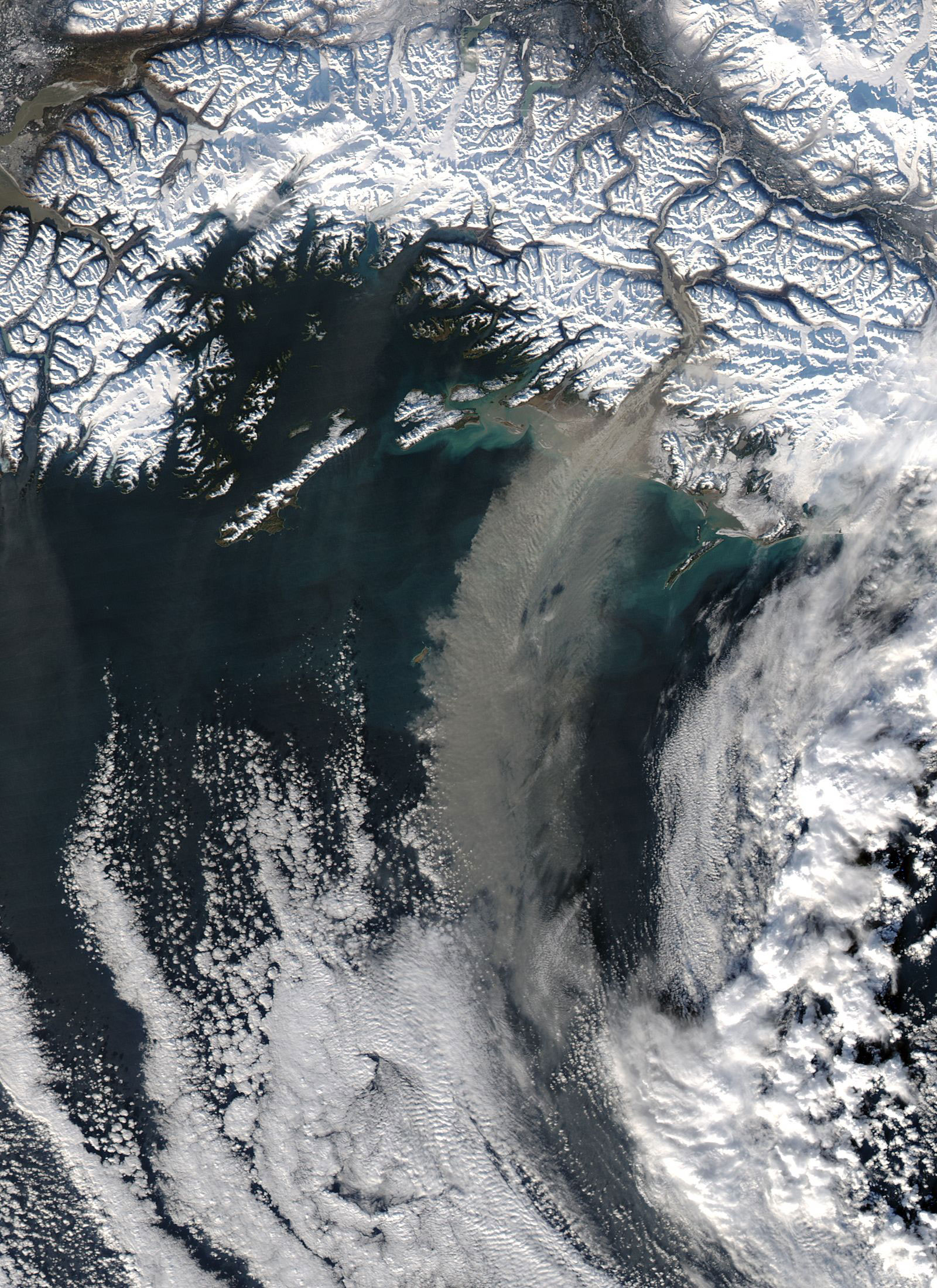
What Dust May Have To Do With Earth’s Rapidly Warming Poles
As earth’s climate warms, scientists have tried to understand why the poles are heating up two to three times faster than the rest of the planet. Airborne dust, it turns out, may play a key role.
-

The Impact of Sea Level Rise on Coastal Wetlands
An analysis of coastal wetlands loss from sea level rise that was conducted for the Ramsar Convention’s Scientific and Technical Review Panel provides estimates of wetland losses as a basis for identifying potential adaptation measures.
-

Transiting the Pacific
Today marks our sixth day aboard the R.V. Melville on a journey to a remote region of the Pacific to retrieve seismic instruments that have been quietly recording earthquake signals on the ocean floor for the past year. We have covered more than 2,600 km thus far but must cruise for another two and a…
-

One Year Later – Return to the NoMelt Site
On December 18, 2012, the Research Vessel Melville departed San Diego to recover remainder of the NoMelt instruments and data. The expedition includes two scientists from Columbia’s Lamont-Doherty Earth Observatory: Post-doctoral scientist Patty Lin and graduate student Natalie Accardo. Natalie is sending regular reports from the ship.
-

Smaller Colorado River Projected for Coming Decades, Study Says
Some 40 million people depend on the Colorado River Basin for water but warmer weather from rising greenhouse gas levels and a growing population may signal water shortages ahead.
-

Using Spatial Analysis to Help Manage Conflict
Peri-urban areas are particularly vulnerable to land use conflicts due to their geographic and socio-economic characteristics: They are transitional zones in transforming societies, where various economic activities associated with each urban setting try to co-exist. In this context, peri-urban agriculture plays a key role for the multiplicity and diversity of stakeholders providing environmental and economic…


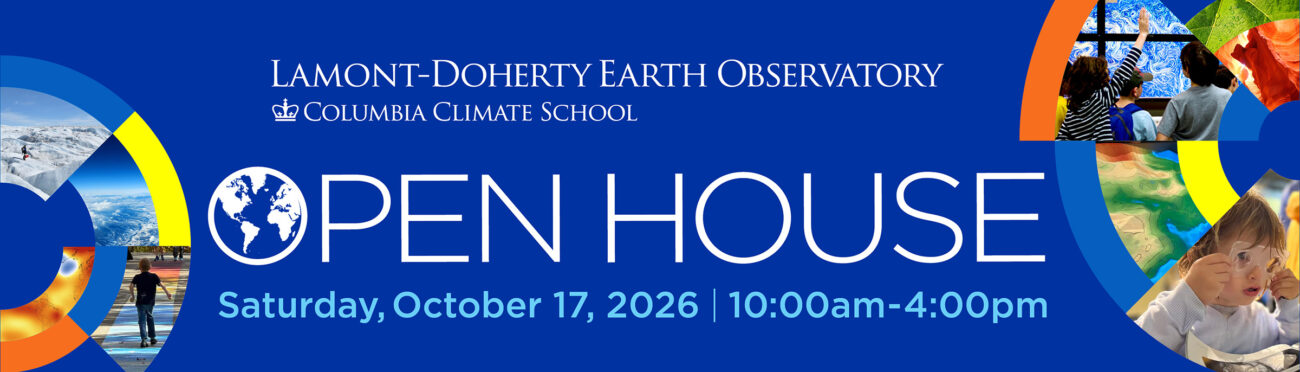
On Saturday, October 17, 2026 from 10am to 4pm, Lamont-Doherty Earth Observatory Open House—our biggest, best science fun and discovery event of the year—will take place on our beautiful campus in Palisades, NY. Mark your calendar and join us for this free, family-friendly celebration of science! RSVP Today!