Ecology20
-
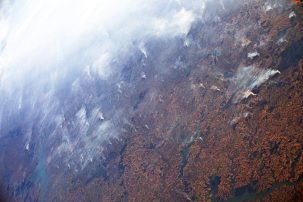
Protecting the Amazon Requires Changing Policy and Eating Less Beef
Global demand for beef is fueling the Amazon rainforest fires, and it will take a global solution to fix it.
-

You Asked: How Destructive Are the Amazon Rainforest Fires? Can They Be Stopped?
An Earth Institute adjunct tackles reader questions about the record-breaking fires in Brazil.
-

Washing Laundry May Be An Underappreciated Source of Microplastic Pollution
A student research project unveils that tiny plastics in laundry detergents and fabrics could potentially have a big impact on ocean health.
-

How Synthetic Biology Can Help the Environment
Artificial and modified organisms could become essential tools to fight climate change, clean up pollution, protect biodiversity, and more.
-

How to Save a Rainforest: It’s All About Conflict Resolution
A new Earth Institute study offers practical lessons in the implementation of conflict sensitive conservation, a first outside of Africa.
-

How Did Africa’s Grasslands Get Started?
Millions of years ago, vegetation across much of the world underwent a transformation as grasses with a new way of doing photosynthesis displaced previously dominant plants, shrubs and trees. A new study examines what got these plants started, and why they spread so far and wide.
-

New Book Highlights Threatened Plants of the Tropical Andes
It includes species that live nowhere else on Earth, and emphasizes the need to protect these unique mountain forests.
-

Nature-Based Solutions: The Missing Ingredient in Climate Adaptation?
Restoring natural ecosystems can make communities more resilient to climate change while offering other benefits along the way.
-

Accelerating Climate Solutions Through Novel Research
Between 2016 and 2018, the Center for Climate and Life awarded $2.1 million to 10 leading scientists who are bringing a fresh perspective to one of the most pressing issues of our times.


October 28, 2026 is Columbia Giving Day! Your gift to Columbia Climate School helps advance interdisciplinary research, educate the next generation of leaders, and transform bold ideas into real-world solutions for climate, Earth, and society.
