Ecology66
-
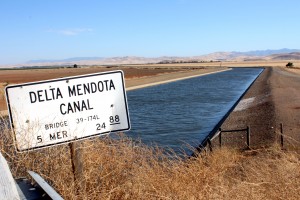
Toxic Waters in the Gilded State
To those who have never been, the Golden State is known for luxurious palm tree-lined avenues, sun-drenched beaches, and picturesque mountains. But not all parts of California were created equal. The state’s San Joaquin Valley hosts a scene entirely different from the images of Malibu beaches depicted in travel brochures. It is the non-glittering core…
-

17th Annual International Sustainable Development Research Conference
“We have in the world today two dangerously different views of the future,” the view of natural scientists and the view of economists, says Lester Brown, founder of the Earth Policy Institute and a keynote speaker at the 17th annual International Sustainable Development Conference.
-

Climate Change Threatens Fragile Ecosystem in the Andes
A new audio slideshow about the páramo ecosystem in the Andes, at risk of becoming drier because of changing climate conditions
-

Losing Our Coral Reefs
Coral reefs, the “rainforests of the sea,” are some of the most biodiverse and productive ecosystems on earth. But tragically, they are in crisis.
-

Why We Must Reconnect With Nature
In recent years both children and adults have only gotten more hooked on digital gadgets and technology. Is our connection with nature growing weaker, and if so, what might that mean for our planet?
-
Rising Seas Pushing Island Nations to the Brink
Rising sea levels caused by global warming could displace millions of people worldwide who are living on low-lying coastlines, and it may prove fatal to some small island nations. At a conference at Columbia Law School, legal experts explored the implications for the people whose homelands could become uninhabitable within a matter of decades.
-

Science Education with Trees and Canoes
Students from New York City, Singapore and the Netherlands test their skills this weekend in the woods and on the water near Lamont-Doherty Earth Observatory in the International Student and Teacher Exchange Program.
-

Apply for *NEW* Executive Courses in Conservation and Environmental Sustainability
The Center for Environmental Research and Conservation at Columbia University provides professionals with the knowledge and tools to be effective environmental leaders and decision makers in the 21st century. It is an evening program in which environmental issues are discussed, debated and examined, where participants develop an in-depth understanding of conservation science and practice through…
-

Attack of the Warzone Water Bottles
Using bottled water in war zones uses oil and pollutes the environment. But Defense officials are looking to move toward sustainability.


October 28, 2026 is Columbia Giving Day! Your gift to Columbia Climate School helps advance interdisciplinary research, educate the next generation of leaders, and transform bold ideas into real-world solutions for climate, Earth, and society.
