State of the Planet

News from the Columbia Climate School

Health26

  • Measuring Lead in New York City Soils

    Measuring Lead in New York City Soils

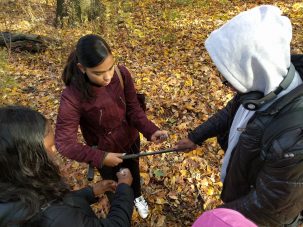
    High school students teamed up with Columbia University researchers to learn about local exposure to this toxic element. Along the way, they learned about history, field work, and the scientific process.

  • Climate Change May Be Hazardous to Your Health

    Climate Change May Be Hazardous to Your Health

    From 2030 to 2050, climate change impacts may cause 250,000 more deaths globally each year. Here’s why.

  • Tracking Respiratory Infections in NYC, With or Without Symptoms

    Tracking Respiratory Infections in NYC, With or Without Symptoms

    There’s a lot we don’t know about respiratory viruses and how they spread. A study currently underway seeks to unravel these mysteries, in part by studying people who are healthy enough to be walking around in Manhattan.

  • Researchers Map High Levels of Drugs in the Hudson River

    Researchers Map High Levels of Drugs in the Hudson River

    In a new study, researchers have mapped out a large variety of discarded pharmaceuticals dissolved throughout the Hudson River. They say that in some places, levels may be high enough to potentially affect aquatic life.

  • Planting a Park on the Cross-Bronx Expressway Would Save Money and Lives

    Planting a Park on the Cross-Bronx Expressway Would Save Money and Lives

    Public health researchers run the numbers on creating a park on top of a section of the highway, finding it a worthwhile investment for community health.

  • Global Environment Report Card Sees Dirty Air, Failing Fisheries

    Global Environment Report Card Sees Dirty Air, Failing Fisheries

    Many countries are making progress on improving water sanitation and protecting marine ecosystems. But air pollution continues as a leading health problem in many nations, and fisheries are deteriorating almost everywhere.

  • New Tracker Keeps Tabs on Government Attacks on Science

    New Tracker Keeps Tabs on Government Attacks on Science

    The Silencing Science Tracker, from Columbia’s Sabin Center for Climate Change Law and the Climate Science Legal Defense Fund, will log actions by the U.S. government to silence scientists working on environmental, public health and climate issues.

  • Air Pollution May Kill More Africans Than HIV/AIDS

    Air Pollution May Kill More Africans Than HIV/AIDS

    Researcher calls attention to a largely under-recognized health threat.

  • NASA Finds New Way to Track Ozone By Satellite

    NASA Finds New Way to Track Ozone By Satellite

    Ozone pollution near Earth’s surface is one of the main ingredients of summertime smog. But it not directly measurable from space, due to the abundance of ozone higher in the atmosphere, which masks the surface. Now, researchers have devised a way to use satellite measurements of the precursor gases that contribute to ozone formation to…

Columbia Climate School Giving Day on October 28, 2026, featuring students and renewable energy imagery

October 28, 2026 is Columbia Giving Day! Your gift to Columbia Climate School helps advance interdisciplinary research, educate the next generation of leaders, and transform bold ideas into real-world solutions for climate, Earth, and society.

  • Measuring Lead in New York City Soils

    Measuring Lead in New York City Soils

    High school students teamed up with Columbia University researchers to learn about local exposure to this toxic element. Along the way, they learned about history, field work, and the scientific process.

  • Climate Change May Be Hazardous to Your Health

    Climate Change May Be Hazardous to Your Health

    From 2030 to 2050, climate change impacts may cause 250,000 more deaths globally each year. Here’s why.

  • Tracking Respiratory Infections in NYC, With or Without Symptoms

    Tracking Respiratory Infections in NYC, With or Without Symptoms

    There’s a lot we don’t know about respiratory viruses and how they spread. A study currently underway seeks to unravel these mysteries, in part by studying people who are healthy enough to be walking around in Manhattan.

  • Researchers Map High Levels of Drugs in the Hudson River

    Researchers Map High Levels of Drugs in the Hudson River

    In a new study, researchers have mapped out a large variety of discarded pharmaceuticals dissolved throughout the Hudson River. They say that in some places, levels may be high enough to potentially affect aquatic life.

  • Planting a Park on the Cross-Bronx Expressway Would Save Money and Lives

    Planting a Park on the Cross-Bronx Expressway Would Save Money and Lives

    Public health researchers run the numbers on creating a park on top of a section of the highway, finding it a worthwhile investment for community health.

  • Global Environment Report Card Sees Dirty Air, Failing Fisheries

    Global Environment Report Card Sees Dirty Air, Failing Fisheries

    Many countries are making progress on improving water sanitation and protecting marine ecosystems. But air pollution continues as a leading health problem in many nations, and fisheries are deteriorating almost everywhere.

  • New Tracker Keeps Tabs on Government Attacks on Science

    New Tracker Keeps Tabs on Government Attacks on Science

    The Silencing Science Tracker, from Columbia’s Sabin Center for Climate Change Law and the Climate Science Legal Defense Fund, will log actions by the U.S. government to silence scientists working on environmental, public health and climate issues.

  • Air Pollution May Kill More Africans Than HIV/AIDS

    Air Pollution May Kill More Africans Than HIV/AIDS

    Researcher calls attention to a largely under-recognized health threat.

  • NASA Finds New Way to Track Ozone By Satellite

    NASA Finds New Way to Track Ozone By Satellite

    Ozone pollution near Earth’s surface is one of the main ingredients of summertime smog. But it not directly measurable from space, due to the abundance of ozone higher in the atmosphere, which masks the surface. Now, researchers have devised a way to use satellite measurements of the precursor gases that contribute to ozone formation to…