Natural Disasters11
-

New Trainings Will Focus On Enhancing Tribal Nations’ Climate Readiness and Resilience
With a $1.5 million FEMA grant, Columbia Climate School’s National Center for Disaster Preparedness will create and deliver trainings to enhance Tribal Nations’ climate readiness and resilience.
-

Frontline Heroes: Predicting Climate Extremes in Africa
Advanced weather-forecasting tools and techniques, like those developed at Columbia Climate School’s International Research Institute for Climate and Society (IRI), can help key stakeholders in Africa prepare for the worst.
-

The Fifth National Climate Assessment: Change Is Here, but There Is Hope
The Fifth National Climate Assessment was released today. The message: change is here, but immediate action can avert the worst impacts.
-

Will Events Like Hurricane Otis Become More Common?
Rapidly intensifying hurricanes are hard to predict. Research suggests that climate change may be making them more frequent.
-

Why the Earthquake in Turkey Still Matters
Eight months after Turkey’s devastating earthquake, over three million people are still looking for a place to call home.
-

How Big Institutions Stymie Disaster Response, and What to Do About It
The new book Catastrophic Incentives explores why society is underprepared for natural and human-made disasters.
-

Putting This Summer’s Record Global Heat Into Context
A roundup of articles aimed at explaining what is happening, and why.
-

Katie Tutrone: From Yesterday’s Weather to Today’s Climate Stories
Katie Tutrone uses her platform as a producer, climate educator, and reporter to inspire more people to pay closer attention to the weather.
-

Adapt or Retreat? Conference Will Explore Questions of Habitability in a Changing World
At Columbia Climate School’s Managed Retreat conference, local and international academics, scientists, and community members will join representatives from different sectors to discuss managed retreat, habitability, and climate justice.


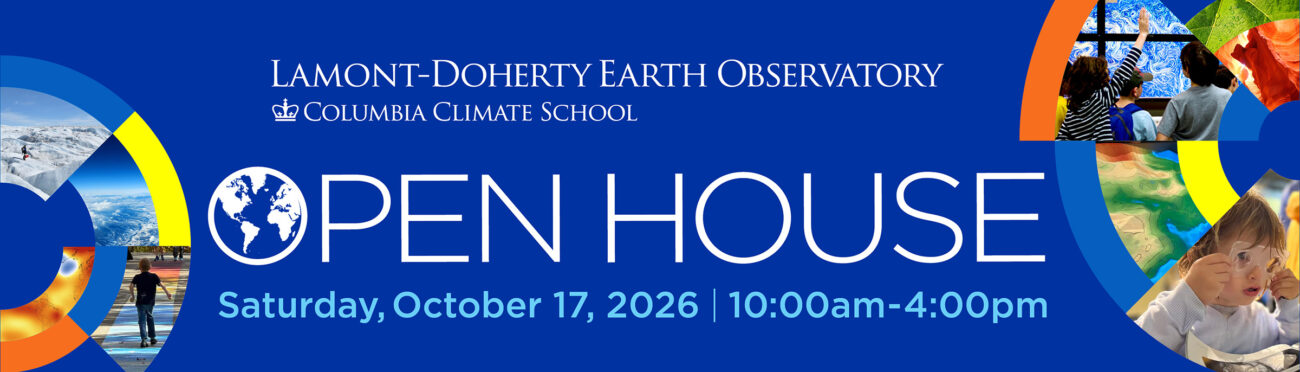
On Saturday, October 17, 2026 from 10am to 4pm, Lamont-Doherty Earth Observatory Open House—our biggest, best science fun and discovery event of the year—will take place on our beautiful campus in Palisades, NY. Mark your calendar and join us for this free, family-friendly celebration of science! RSVP Today!
