Natural Disasters24
-

Reducing Risk and Avoiding Disaster – Creating Grid 2.0
Experts discussed the challenges and opportunities of upgrading the electric grid during a recent webinar.
-

How to Build a More Resilient Energy Grid for the Future: Part 1
Microgrids can reduce vulnerabilities to climate change and related disasters, keeping the lights on when other parts of the grid experience power disruptions.
-

Tropical Cyclones Linked to Rise in Hospitalizations of Older Adults
Hospitalizations from many causes rise for older U.S. adults rise in the days following big storms, a new study confirms.
-

Volcanoes May Have Large, Lasting Impacts on Global Precipitation
A new study employs natural climate archives such as tree rings to better understand volcanoes’ impacts on global rainfall patterns.
-

Experts Weigh In on the Deep Freeze and Power Outages in Texas
Is a failure of wind power really behind the blackouts? How can we make sure this doesn’t happen again? Earth Institute scholars have answers to these questions and more.
-

Devastating Flood in Himalayas Highlights Risks of Development in the Era of Climate Change
Climate change and hydroelectricity power projects compounded the devastating destruction of the February 7 flood in Uttarakhand.
-

You Asked: Why Is it So Hard to Predict Volcanic Eruptions?
Volcanologist Einat Lev tackles reader questions and explains how more monitoring of volcanoes could save lives.
-

How to Predict the Unpredictable in a Changing Climate
As climate change continues to alter the Earth’s complex environmental systems, unfamiliar risks will emerge. A recent study suggests a few tools to reduce uncertainty in disaster preparation.
-

Four Ways the Biden Administration Can Revamp Disaster Management
As climate change wreaks havoc on our planet, the federal government will need to grapple with perpetually increasing disasters.


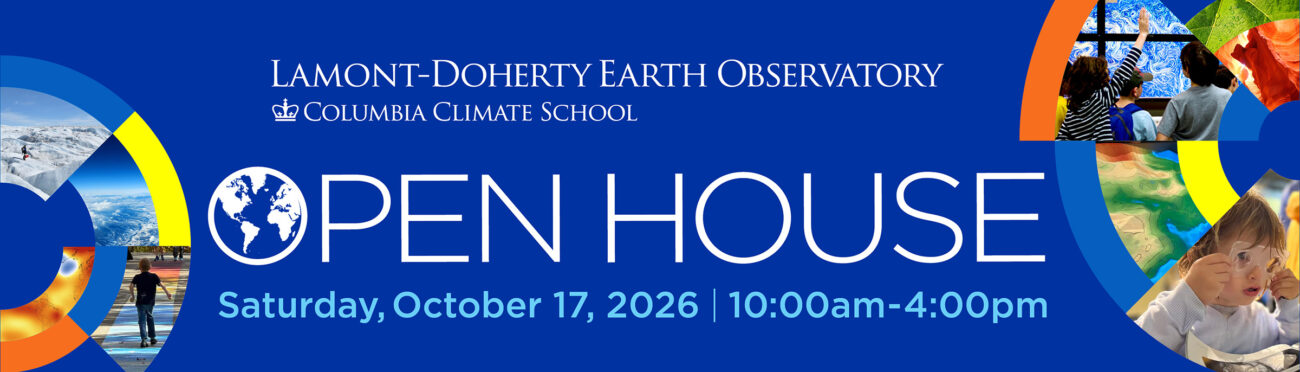
On Saturday, October 17, 2026 from 10am to 4pm, Lamont-Doherty Earth Observatory Open House—our biggest, best science fun and discovery event of the year—will take place on our beautiful campus in Palisades, NY. Mark your calendar and join us for this free, family-friendly celebration of science! RSVP Today!
