Natural Disasters33
-
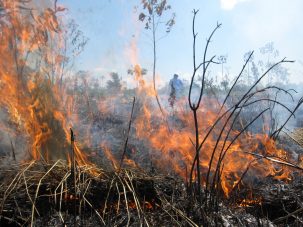
Wildfire Experts: A Journalist’s Guide
A guide to wildfire experts at the Earth Institute.
-

Yes, Climate Change is Making Wildfires Worse
Park Williams, a bioclimatologist at Lamont-Doherty Earth Observatory, has found that rising temperatures influence wildfires in the American West.
-

End of Our Fieldwork and Mandalay Hill
I had one last day installing seismometers with the team, then left for Mandalay. After a breakfast with colleagues, I had a free day to explore Mandalay Hill.
-

I Switch to Installing Seismometers
With the GPS done, I joined the seismologists installing 32 stations in Myanmar. We finished the preparations and then headed out to the field in three teams.
-

From Catholic Churches to Buddhist Monasteries, the Work Continued
On the way back to Kale, we stopped at a Catholic church where one of the seismometers will be deployed.
-

Our Next Sets of GPS in Kalewa and Tedim
To get to Kalewa we followed the Myittha River past the Kabaw Fault to the site with view of a monastery. Tedim is a long and windy drive through the mountainous Chin Hills.
-

To Kale for the First GPS Station
We drove 15 hours over two days to get to Kale, our new home base. Here, we managed to build a monument and install our first GPS station in only one day. Our homemade post-driver worked amazingly well.
-

Installing GPS in Myanmar
We believe the IndoBurman subduction zone is active and that there is a significant earthquake hazard in this densely populated region. We are installing GPS stations to monitor it.
-

After Florence: Improving the Management of Toxic Materials
This is an opportunity to reengineer and reimagine the way toxic materials are managed.


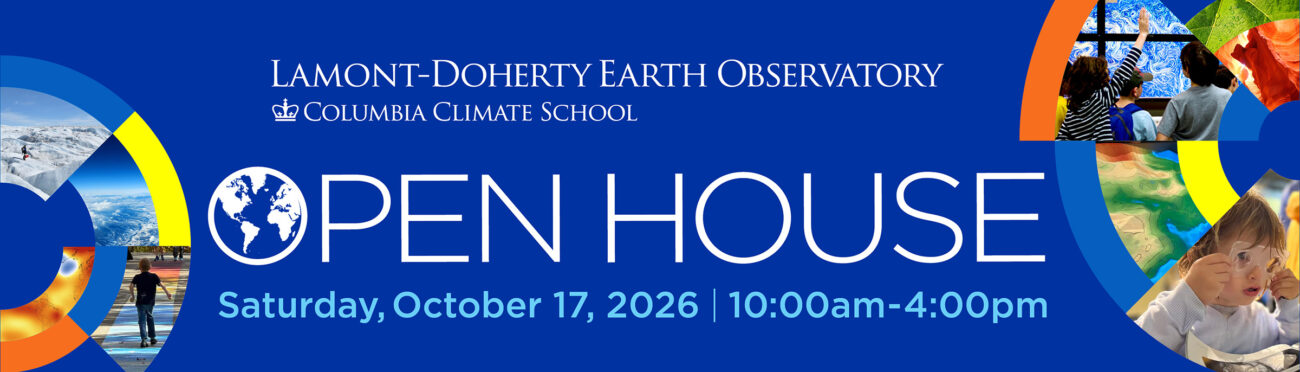
On Saturday, October 17, 2026 from 10am to 4pm, Lamont-Doherty Earth Observatory Open House—our biggest, best science fun and discovery event of the year—will take place on our beautiful campus in Palisades, NY. Mark your calendar and join us for this free, family-friendly celebration of science! RSVP Today!
