Natural Disasters5
-

Ensuring Emergency Management Training Translates into Action
Researchers at the National Center for Disaster Preparedness and the New School discuss an approach for evaluating the effectiveness of disaster management training.
-

A Climate and Society Student on Environmentalism and Collaboration With Local Communities
Olivia Palma is passionate about understanding the link between people, the environment and climate change, especially for at-risk communities.
-

A New M.S. in Climate Program Focuses on Disaster Management
A Q&A with Jeffrey Schlegelmilch, director of the National Center for Disaster Preparedness at the Columbia Climate School, about the unique certificate program and its holistic approach to disaster management.
-
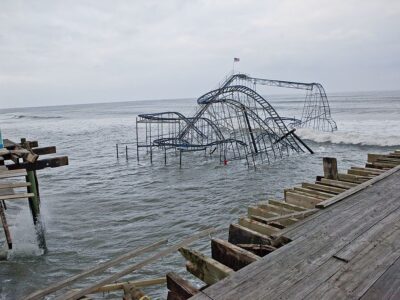
Twelve Years After Sandy, Have We Gotten Better at Preparing for Disaster?
Jeffrey Schlegelmilch, the director of Columbia’s National Center for Disaster Preparedness, reflects on applying lessons from Hurricane Sandy to more recent disasters.
-

Shaking From April’s New Jersey Quake Went Oddly Far, Raising Questions on Regional Hazard
An earthquake on April 5, 2024, was felt at surprisingly long distances. What does it mean for assessing regional hazard?
-

A Showcase Combining Knowledge and Action
The Climate School’s first-ever showcase highlighted the school’s mission to partner with organizations outside of Columbia to build climate solutions.
-

How to Prepare for a Stormy “Supercharged” September
As storms and disasters become less predictable and more extreme, it’s important to understand the risks where you live and have emergency plans in place.
-

Opinion: Protecting Climate Labor
Workers on the front lines of the climate crisis deserve new safety standards.
-

Alumni Spotlight: Developing Tools for Humanitarian Action
Elaine Angeles is dedicated to driving change by better utilizing scientific forecasts and early warning systems to support vulnerable populations.


By studying thousands of buildings and analyzing their electricity use, Columbia Climate School Dean Alexis Abramson has been able to uncover ways to significantly cut energy consumption and emissions. Watch the Video: “Engineering a Cooler Future Through Smarter Buildings“
