Press Release2
-
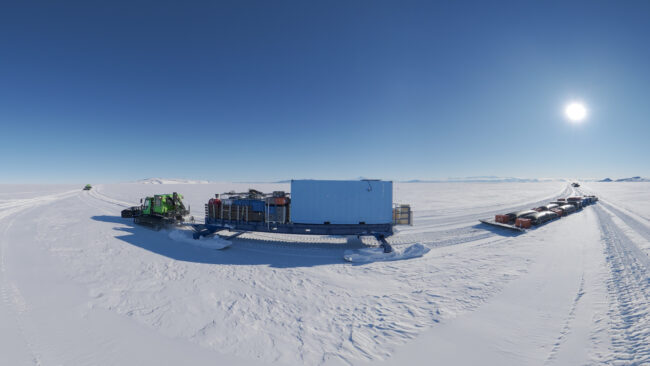
Scientists Search for Ancient Climate Clues Beneath Antarctic Ice
An international team, including researchers from Columbia’s Lamont-Doherty Earth Observatory, is attempting to drill for mud and rocks holding critical insights about the fate of the West Antarctic Ice Sheet in our warming world.
-
American Geophysical Union 2025: Key Scientific Presentations From Lamont-Doherty Earth Observatory and Columbia Climate School
Check out a guide to some of our notable research at this year’s AGU conference.
-
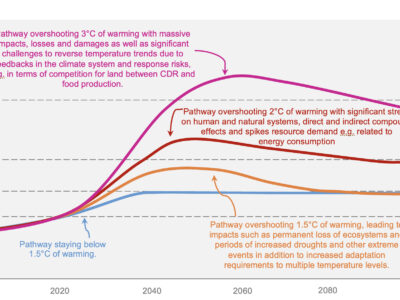
Societies Are Unprepared for the Human Costs of Climate Overshoot
While scientists have made progress describing overshoot’s physical impacts, its humanitarian and social consequences need greater focus, say the authors.
-

Reducing Arsenic in Drinking Water Cuts Risk of Death, Even After Years of Chronic Exposure
Published today in JAMA, a 20-year study of nearly 11,000 adults in Bangladesh found that lowering arsenic levels in drinking water reduced the risk of death from chronic illnesses, compared with continued exposure.
-
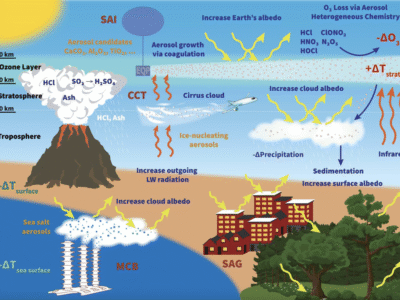
How Hard Is It to Dim the Sun?
Solar radiation management is gaining traction as a climate intervention—but new research warns that real-world constraints make it riskier and more uncertain than most models suggest.
-
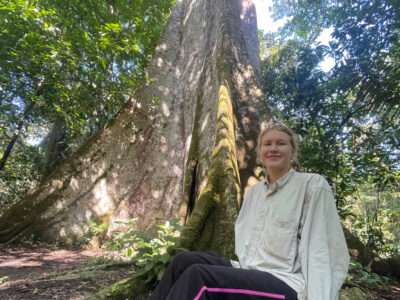
A New Study Indicates Forest Regeneration Provides Climate Benefits, but Won’t Offset Fossil Fuels
Effective climate policy must treat forest regeneration and emissions reductions as complementary strategies, not alternatives, according to a new paper.
-
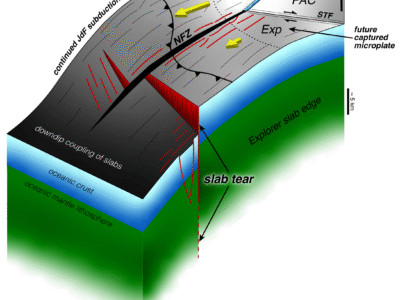
Earth’s Crust Is Tearing Apart off the Pacific Northwest—and That’s Not Necessarily Bad News
Using seismic reflection imaging—essentially an ultrasound of the Earth’s subsurface—and detailed earthquake records, researchers captured a subduction zone in the process of tearing itself apart.
-

Study of Extreme Indian Rainfall Upends Conventional Wisdom
While El Niño often brings drought conditions to India, a new paper shows that it also increases the likelihood of devastating downpours in some of the country’s most heavily populated regions.
-

The Ocean Carbon Sink Is Ailing
Measurements analyzed by an international research team indicate the global ocean absorbed significantly less CO₂ than anticipated during the unprecedented marine heatwave in 2023.


By studying thousands of buildings and analyzing their electricity use, Columbia Climate School Dean Alexis Abramson has been able to uncover ways to significantly cut energy consumption and emissions. Watch the Video: “Engineering a Cooler Future Through Smarter Buildings“
