Press Release4
-
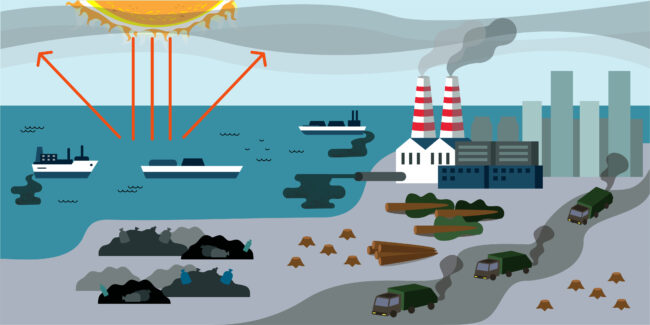
A Complicated Future for a Methane-Cleansing Molecule
A new model shows how levels of the “atmosphere’s detergent” may rise and fall in response to climate change.
-
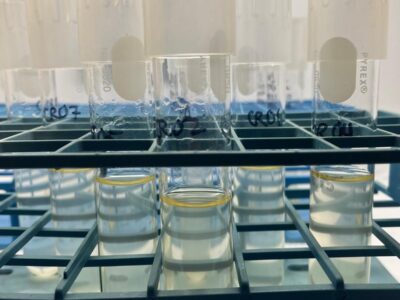
New Study Reveals Hidden “Chemical Currency” Fueling the Ocean’s Carbon Cycle
This research identifies a diverse set of molecules released by marine phytoplankton that fuel microbial life and help drive Earth’s carbon cycle.
-
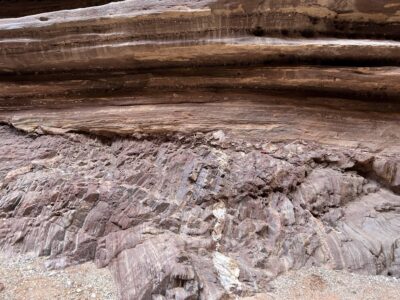
Earth’s “Missing” Billion Years: Study Links the Great Unconformity to Early Tectonics
New findings shed light on a widespread gap in the geologic record, where more than a billion years of Earth’s history appear to have been erased.
-
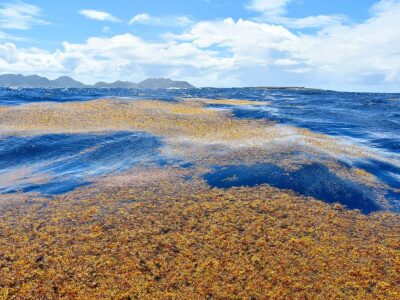
Harnessing AI, Scientists Discover a Rise in Floating Algae Across the Global Ocean
A recent study demonstrates the power of artificial intelligence as a tool for processing large amounts of ocean data.
-
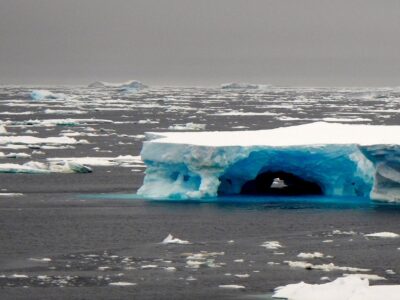
Unexpected Climate Feedback Links Antarctic Ice Sheet With Reduced Carbon Uptake
New study reveals surprising link between West Antarctic Ice Sheet (WAIS) retreat and algae growth over the past 500,000 years.
-
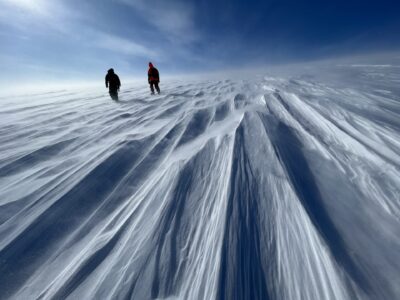
Greenland Ice Cap Vanished Just 7,000 Years Ago
The first study from GreenDrill finds that Greenland’s Prudhoe Dome ice cap had fully melted much more recently than previously thought.
-
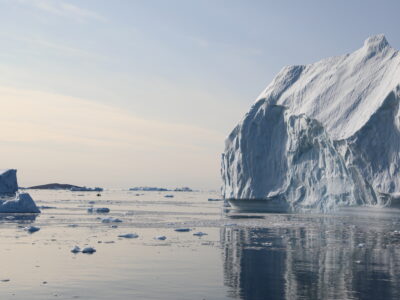
Sea Levels Are Rising—But in Greenland, They Will Fall
Even as global warming causes sea levels to rise worldwide, sea levels around Greenland will likely drop, according to a new paper.
-
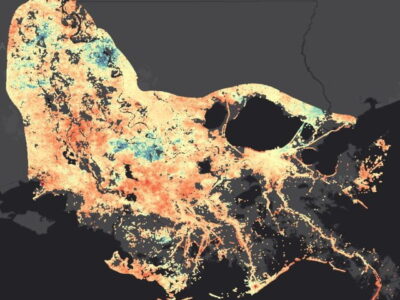
Human Activity Is Driving Rapid Sinking of World’s River Deltas
New research, published in Nature, documents the rate of elevation loss in the world’s deltas, and finds that people are the primary reason for it.
-
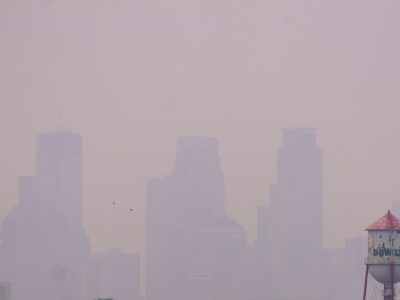
Get Ready for Smokier Air: Record 2023 Wildfire Smoke Marks Long-Term Shift in North American Air Quality
A new analysis of air quality data from the past 70 years shows a broader, continent-wide trend toward smokier skies.


On Saturday, October 17, 2026 from 10am to 4pm, Lamont-Doherty Earth Observatory Open House—our biggest, best science fun and discovery event of the year—will take place on our beautiful campus in Palisades, NY. Mark your calendar and join us for this free, family-friendly celebration of science! RSVP Today!
