Press Release2
-
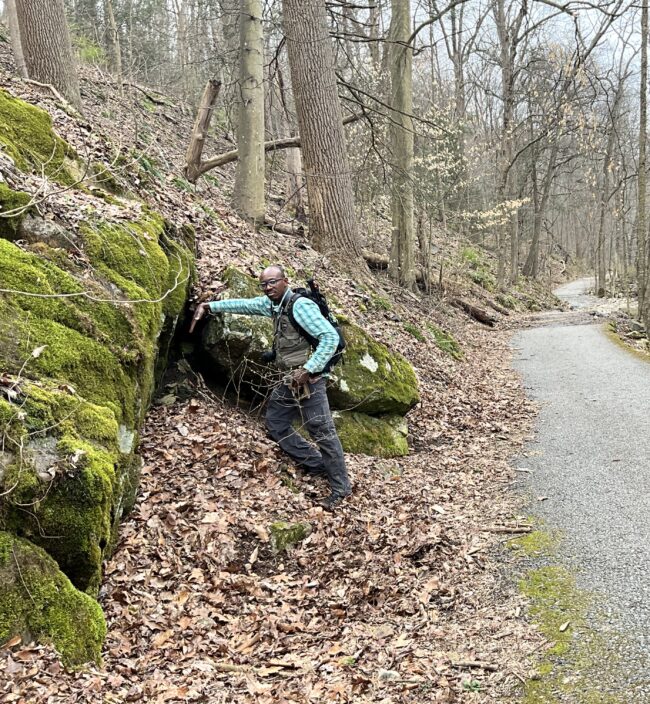
August Research Roundup: Select Papers
This month, we covered a long-term analysis suggesting that landfill methane emissions may be far higher than estimated, as well as new research on unexpected trends in U.S. extreme rainfall. Here are additional studies worth noting.
-
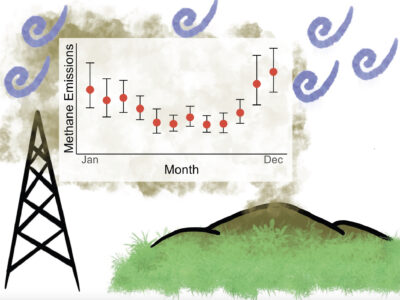
Long-Term Study Suggests Landfill Methane Emissions Are Far Higher Than Estimates
A major New Jersey landfill emitted about five times more methane in 2023 than was reported to the U.S. Environmental Protection Agency.
-
July Research Roundup: Select Papers
This month, we covered the 2026 Environmental Performance Index; how gas bubbles shaped Kīlauea’s lava flow; and the Pacific’s contrasting effects on wildfires. Here are some additional studies worth noting.
-
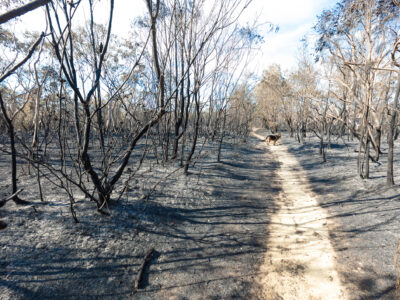
Pacific Ocean Pattern Helps Explain Diverging Wildfire Trends in U.S. and Australia
Two of the world’s most fire-prone regions have followed strikingly different wildfire trajectories despite both experiencing a warming climate.
-
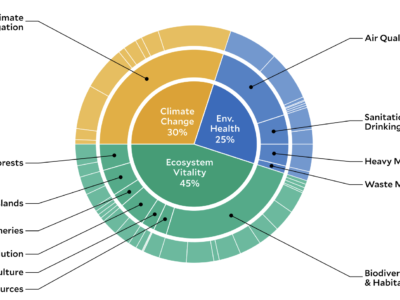
New Environmental Performance Index Highlights Sustainability Gains and the Challenges Ahead
The 2026 EPI, produced by Yale and Columbia Climate School, finds that Europe leads in environmental performance but few countries are on track for net-zero by 2050.
-
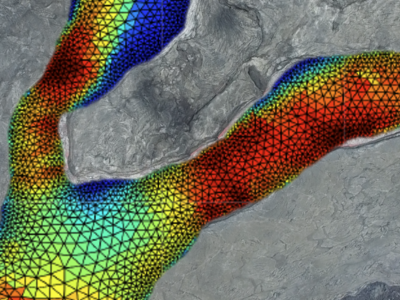
Study Reveals How Gas Bubbles Shaped Kīlauea’s 2018 Lava Flow
New research shows that gas bubbles played a central role in controlling how fast and far the lava traveled, and that lava flow models need to account for bubbles to more accurately forecast where lava will stop.
-

Columbia Climate School and Sciences Po To Launch Dual Degree Focused on Climate Action
Columbia Climate School and the Paris Climate School at Sciences Po are launching a new dual master’s program at the intersection of climate science and ecological governance.
-
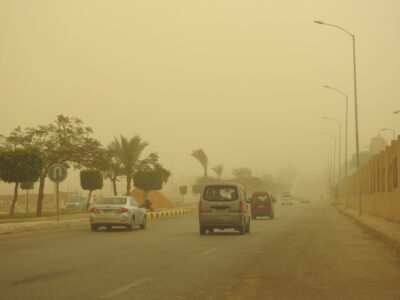
June Research Roundup: Select Papers
In this month’s edition of our research roundup, we highlight a new study on African air pollution; deep Earth carbon recycling; and a Pacific cooling mystery.
-
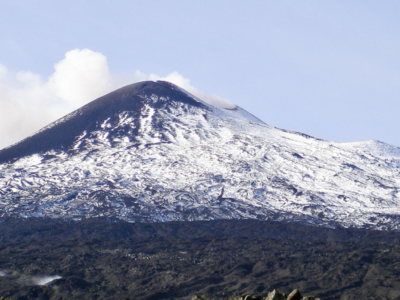
Carbon Dioxide and Water Played Key Roles in Historic Mount Etna Eruptions
Understanding these dynamics can help geologists assess the risk of future eruptions.


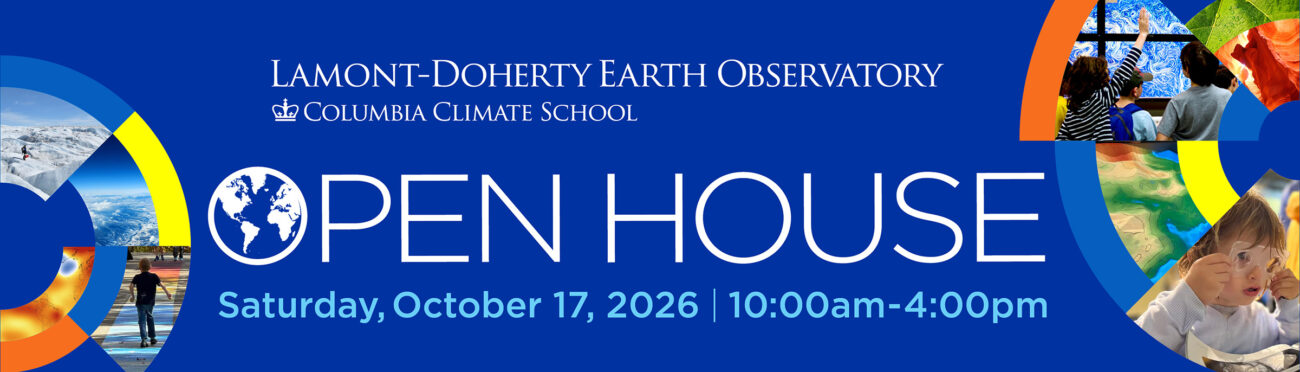
On Saturday, October 17, 2026 from 10am to 4pm, Lamont-Doherty Earth Observatory Open House—our biggest, best science fun and discovery event of the year—will take place on our beautiful campus in Palisades, NY. Mark your calendar and join us for this free, family-friendly celebration of science! RSVP Today!
