State of the Planet

News from the Columbia Climate School

climate change106

  • Climate Change Poses Challenges to Plants and Animals

    Climate Change Poses Challenges to Plants and Animals

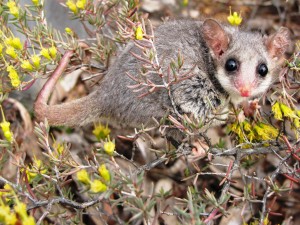
    Because of climate change, spring, summer, fall and winter in the temperate zones are all arriving on average 1.7 days earlier than they ever have before. The changing climate with its more extreme weather is affecting many plant and animal species, disturbing their habitat and disrupting ecosystem functioning. How will plants and animals deal with…

  • Rebuilding After Hurricane Sandy

    Rebuilding After Hurricane Sandy

    In June 2013, the Rebuild by Design competition was launched to find innovative solutions to the vulnerabilities of the region that Sandy exposed. The six winning projects were chosen for their excellence in design and resilience, and engagement with local communities. How will they protect their communities?

  • 2014 Was Warmest Year in Modern Record, Say Two U.S. Reports

    Data in Accord With Other Nations’ Studies

  • What Will You Leave Behind? How Personal Legacy Affects Pro-environmental Behavior

    What Will You Leave Behind? How Personal Legacy Affects Pro-environmental Behavior

    New research from the Center for Research on Environmental Decisions finds that personal legacy can be a motivator to encourage pro-environmental behaviors.

  • Paths to Decarbonization: A Live Twitter Q&A

    Paths to Decarbonization: A Live Twitter Q&A

    @UNSDSN is hosting a live Twitter Q&A on Friday, Dec. 19, from 1-2 p.m. EST with Jim Williams, chief scientist at Energy and Environmental Economics Inc. and lead author on the U.S. Deep Decarbonization Pathways Project report. You can send in your questions before and during the live chat on Twitter or Facebook by using…

  • Talking Climate: a New Guide to More Effective Communication

    Talking Climate: a New Guide to More Effective Communication

    What motivates people to accept or reject climate change? What do personal and political values have to do with it? How can you best get your message across? A new guide to climate change communication offers some of the answers.

  • Why are Past Surface Temperatures and CO2 Concentrations Important?

    Why are Past Surface Temperatures and CO2 Concentrations Important?

    By burning fossil fuels for heating, electricity, transportation and other purposes, humans add CO2 to the atmosphere. Yet, by comparing ways in which the Earth’s temperature, CO2 concentration, sea level and ice sheets have changed in the past, we are able to learn valuable lessons about the climate system of today and tomorrow.

  • New Report Shows How U.S. Can Slash Greenhouse Emissions

    Researchers Map Low-Carbon Investments and Policy Changes

  • Road to 2015: A Pivotal Year for Sustainable Development

    Road to 2015: A Pivotal Year for Sustainable Development

    The Sustainable Development Goals, to be set by the United Nations in September 2015, will outline the international development priorities for the coming decades. What will the goals look like? How can we measure progress effectively? Where will the funding to implement these goals come from? Can an international climate agreement be reached in Paris…

Photo of the Earth from space with the text "Lamont at AGU25" on top.

AGU25, the premier Earth and space science conference, takes place December 15-19, 2025 in New Orleans, Louisiana. This year’s theme—Where Science Connects Us—puts in focus how science depends on connection, from the lab to the field to the ballot box. Once again, Lamont-Doherty Earth Observatory and Columbia Climate School scientists, experts, students, and educators are playing an active role, sharing our research and helping shape the future of our planet. #AGU25 Learn More

  • Climate Change Poses Challenges to Plants and Animals

    Climate Change Poses Challenges to Plants and Animals

    Because of climate change, spring, summer, fall and winter in the temperate zones are all arriving on average 1.7 days earlier than they ever have before. The changing climate with its more extreme weather is affecting many plant and animal species, disturbing their habitat and disrupting ecosystem functioning. How will plants and animals deal with…

  • Rebuilding After Hurricane Sandy

    Rebuilding After Hurricane Sandy

    In June 2013, the Rebuild by Design competition was launched to find innovative solutions to the vulnerabilities of the region that Sandy exposed. The six winning projects were chosen for their excellence in design and resilience, and engagement with local communities. How will they protect their communities?

  • 2014 Was Warmest Year in Modern Record, Say Two U.S. Reports

    Data in Accord With Other Nations’ Studies

  • What Will You Leave Behind? How Personal Legacy Affects Pro-environmental Behavior

    What Will You Leave Behind? How Personal Legacy Affects Pro-environmental Behavior

    New research from the Center for Research on Environmental Decisions finds that personal legacy can be a motivator to encourage pro-environmental behaviors.

  • Paths to Decarbonization: A Live Twitter Q&A

    Paths to Decarbonization: A Live Twitter Q&A

    @UNSDSN is hosting a live Twitter Q&A on Friday, Dec. 19, from 1-2 p.m. EST with Jim Williams, chief scientist at Energy and Environmental Economics Inc. and lead author on the U.S. Deep Decarbonization Pathways Project report. You can send in your questions before and during the live chat on Twitter or Facebook by using…

  • Talking Climate: a New Guide to More Effective Communication

    Talking Climate: a New Guide to More Effective Communication

    What motivates people to accept or reject climate change? What do personal and political values have to do with it? How can you best get your message across? A new guide to climate change communication offers some of the answers.

  • Why are Past Surface Temperatures and CO2 Concentrations Important?

    Why are Past Surface Temperatures and CO2 Concentrations Important?

    By burning fossil fuels for heating, electricity, transportation and other purposes, humans add CO2 to the atmosphere. Yet, by comparing ways in which the Earth’s temperature, CO2 concentration, sea level and ice sheets have changed in the past, we are able to learn valuable lessons about the climate system of today and tomorrow.

  • New Report Shows How U.S. Can Slash Greenhouse Emissions

    Researchers Map Low-Carbon Investments and Policy Changes

  • Road to 2015: A Pivotal Year for Sustainable Development

    Road to 2015: A Pivotal Year for Sustainable Development

    The Sustainable Development Goals, to be set by the United Nations in September 2015, will outline the international development priorities for the coming decades. What will the goals look like? How can we measure progress effectively? Where will the funding to implement these goals come from? Can an international climate agreement be reached in Paris…