climate change28
-
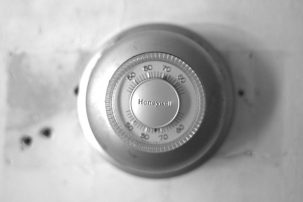
Beyond Climate Change: What Happens Once We Control the Global Thermostat?
We’re developing the tools to slow and reverse climate change. If we succeed, our species will be managing the planet’s atmosphere indefinitely.
-

You Asked: When Will Polar Bears Go Extinct?
A recent study provides a rough timeline, but there’s still time to save them if we cut our carbon emissions.
-

International Team to Drill Deep Through Antarctic Ice Into Ancient Sediments
The research project, dubbed SWAIS 2C, will investigate the sensitivity of the West Antarctic Ice Sheet to global warming of 2 degrees Centigrade.
-

Associated Press Offers Interactive ‘Primer’ on New Extreme Heat Data Set
The interactive graphic, based on a recent study out of Columbia, visualizes the threat of rising temperatures combined with soaring population growth.
-

What Did COP26 Achieve?
Columbia Climate School experts say the results out of Glasgow are “a real mixed bag.”
-

Leaders from Glaciated Regions Highlight Importance of Women, Youth, and Indigenous Peoples at COP26
They discussed adaptation strategies for mountain regions.
-

How Close Are We to Climate Tipping Points?
Will overshooting 1.5°C of warming push us over climate tipping points, triggering irreversible and abrupt changes?
-

Antarctica Glacier Named for Glasgow Climate Negotiations at COP26
The Antarctic Place Naming Commission has agreed to name glaciers on the Southern Continent after city locations of past and present climate treaties.
-

High School Students Learn From and Educate Communities About Hudson River Ecosystems
In the Next Generation of Hudson River Educators program, students learned what community members think about the Hudson and developed tools to share their own findings.


By studying thousands of buildings and analyzing their electricity use, Columbia Climate School Dean Alexis Abramson has been able to uncover ways to significantly cut energy consumption and emissions. Watch the Video: “Engineering a Cooler Future Through Smarter Buildings“
