climate science27
-
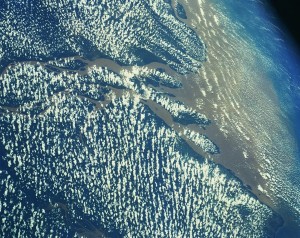
A Climate Battle Cry for Earth Day
A group of 17 renowned scientists from around the world are appealing for dramatic action to forestall the worst effects of climate change, issuing an “Earth Statement” that calls for a world powered with zero carbon emissions by mid-century.
-
Frequency of Tornadoes, Hail Linked to El Niño, La Niña
Study May Aid Seasonal Forecasting
-

Initiative on Extreme Weather and Climate Kick-Off
This week marks the launch of the new Columbia Initiative on Extreme Weather and Climate, a cross-disciplinary collaboration between a variety of centers, research groups and individuals from across Columbia University. The Initiative, led by Adam Sobel, kicked off on Monday evening with a World Leaders Forum panel event in Low Library. Panelists discussed a…
-

Webcast Tonight: Focus on Extreme Weather
The Columbia Initiative on Extreme Weather and Climate brings together experts across the university to integrate research into the physical science of these events with research on their impacts on human society and engineering solutions. The initiative kicks off this evening with a panel discussion, “Preparing for Extreme Weather: Global Lessons from Sandy,” from 6-7:30…
-

Report Forecasts Worsening Climate Hazards for Region
A new report gives a worrisome picture of climate-related problems the New York region will likely face this century. Temperatures are projected to rise, extreme precipitation and heat waves will be more frequent, and sea level could rise as much as 6 feet.
-
2014 Was Warmest Year in Modern Record, Say Two U.S. Reports
Data in Accord With Other Nations’ Studies
-

Exploring Antarctica by Sea, Air and Land
Lamont Doherty Earth Observatory scientists are among the many researchers currently doing fieldwork in Antarctica. They’re participating in expeditions near, above and on the continent, doing critical studies that will advance understanding of Antarctica’s land and sea processes.
-

Ice Loss in West Antarctic is Speeding Up
Glaciers in one part of West Antarctica are melting at triple the rate of a decade ago and have become the most significant contributor to sea level rise in that region, a new study says. The study found that the glaciers in the Amundsen Sea Embayment of West Antarctica have shrunk by an average of…
-

AGU 2014: Key Events from The Earth Institute
Scientists at Columbia University’s Earth Institute will present important talks at the Dec. 15-19 meeting of the American Geophysical Union, the world’s largest gathering of earth and space scientists. Here is a journalists’ guide in rough chronological order.


The first Earth Day in 1970 ignited a movement to stop polluting our planet. Today, our scientists and experts are tackling the most pressing challenges to achieve real-world impact. This Earth Day, join us in our commitment to realizing a just and sustainable future for our planet. Visit our Earth Day website for ideas, resources, and inspiration.
