cs impacts2
-
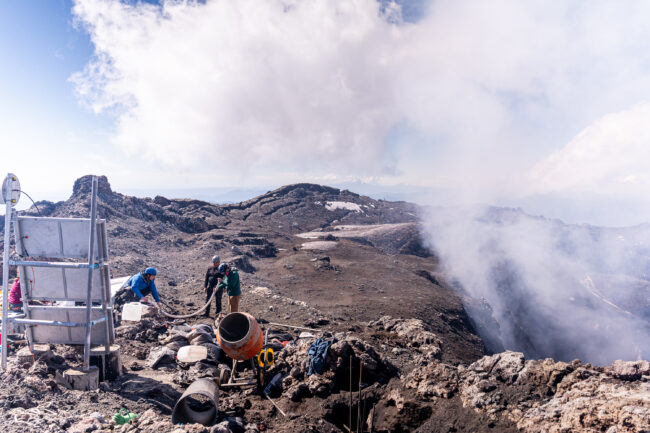
Wiring the Spirit’s House
Lamont scientists Terry Plank and Einat Lev worked with partners in Chile to install a new suite of sensors on the summit of Villarrica, bringing real-time monitoring to one of Chile’s most active volcanoes.
-
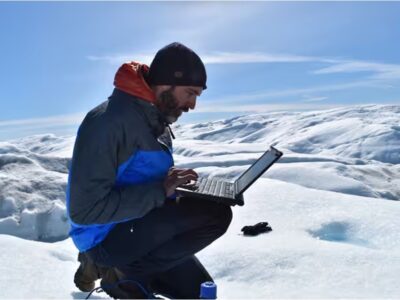
Climate Scientist Marco Tedesco Examines What Responsible AI Could Look Like
The Lamont-Doherty Earth Observatory researcher is helping launch an AI working group to explore how AI can support climate research without undermining ethics, equity or scientific judgment.
-
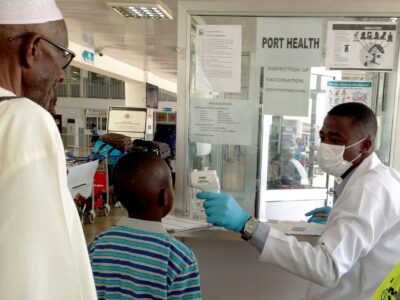
Better Data, Better Maps: Supporting Ebola Response in Eastern Congo
An effective Ebola response depends on knowing not only where cases are being reported, but also where people live, where health facilities are located and which health areas are responsible for reaching them.
-
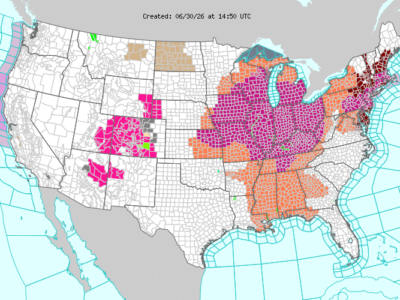
Extreme Heat Is Here: What Columbia Climate School Experts Want You to Know
As a dangerous early-summer heat wave covers swaths of the globe, Columbia Climate School experts discuss the impacts of extreme heat.
-
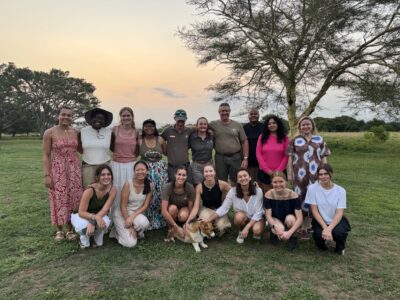
Regenerative Travel: Students Field Test What’s Next in Climate-Conscious Tourism
The Wild Tomorrow capstone workshop and Cuttyhunk Practicum are two examples of Climate School initiatives that focus on climate-conscious travel.
-
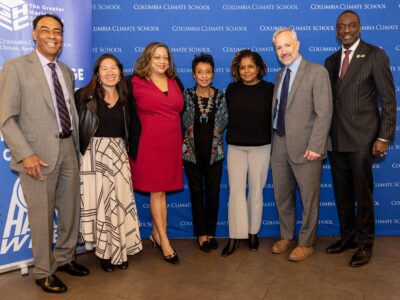
Partnering for Environmental Justice in Harlem
Now in its fifth year, the annual conference was created to highlight the critical climate-driven health and environmental impacts affecting our shared community.
-
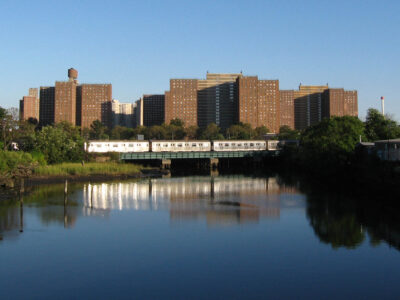
Why Climate Work Is Community Work
At a recent Climate School event, speaker Memphis Washington discussed the Waterfront Alliance’s climate resilience and environmental justice efforts in Coney Island.
-
Science for the Planet: Turning Waste Into Critical Materials
Greeshma Gadikota and her team explore how materials that might otherwise be landfilled can be transformed into products needed for solar energy and other critical technologies.
-
Where Conservation Meets Community: Lessons From South Africa
Columbia Climate School students tackled real-world conservation challenges in one of the planet’s most biodiverse regions.


October 28, 2026 is Columbia Giving Day! Your gift to Columbia Climate School helps advance interdisciplinary research, educate the next generation of leaders, and transform bold ideas into real-world solutions for climate, Earth, and society.
