Department of Earth and Environmental Sciences
-
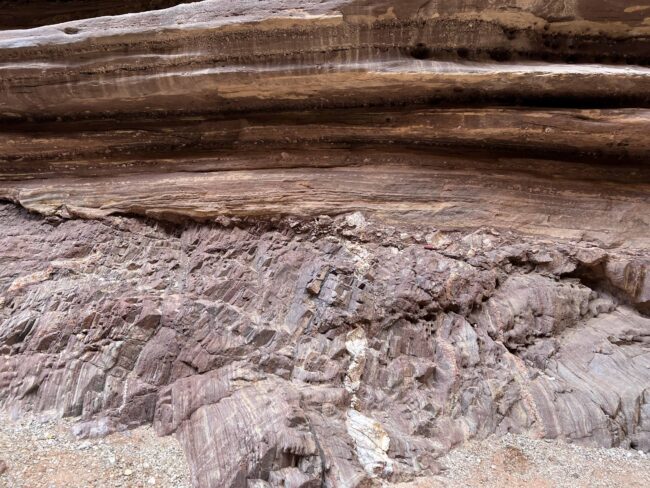
Earth’s “Missing” Billion Years: Study Links the Great Unconformity to Early Tectonics
New findings shed light on a widespread gap in the geologic record, where more than a billion years of Earth’s history appear to have been erased.
-

Women in Science: Paleoceanographer Apollonia Arellano
Arellano uses geochemical analyses to reconstruct deep ocean circulation in the North Atlantic Ocean.
-

Women in Science: Climate Impact Researcher Sanketa Kadam
In honor of International Day of Women and Girls in Science, we’re featuring Kadam, who researches compound extreme events in India and their impacts on crops and farmland.
-

Mercury Rising: Why Emissions of This Deadly Neurotoxin May Soon Increase
The EPA is proposing changes to the Mercury and Air Toxic Standards (MATS), which would weaken mercury emissions limits from U.S. fossil fuel power plants by 70 percent.
-
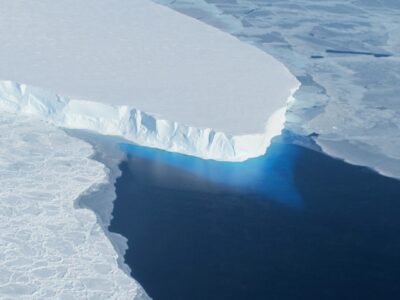
Columbia Will Co-Lead Major Project To Study Global Carbon Cycle
Awarded by Schmidt Sciences, a new grant will provide up to $45 million to four interdisciplinary teams of researchers who will seek to improve climate modeling across land, air and sea.
-

Women in Science: Climate and Wildfire Researcher Caroline Juang
In honor of International Day of Women and Girls in Science, we profile Caroline Juang, who studies how climate change is impacting wildfires out west.
-

Climate School Appoints Five New Faculty Members
New faculty members from a variety of disciplines will add to the breadth of Climate School education programs.
-

The Hidden Language of Ocean Coral
Logan Brenner, a scientist at Columbia’s Lamont-Doherty Earth Observatory, is part of an international collaboration to drill into the ocean’s past.
-

Meet Steve Goldstein, Interim Director of the Lamont-Doherty Earth Observatory
Steve Goldstein, interim director of the Lamont-Doherty Earth Observatory, talks about his long history with Columbia, and why the geosciences have such an important role to play in the climate crisis.


The first Earth Day in 1970 ignited a movement to stop polluting our planet. Today, our scientists and experts are tackling the most pressing challenges to achieve real-world impact. This Earth Day, join us in our commitment to realizing a just and sustainable future for our planet. Visit our Earth Day website for ideas, resources, and inspiration.
