Geology
-
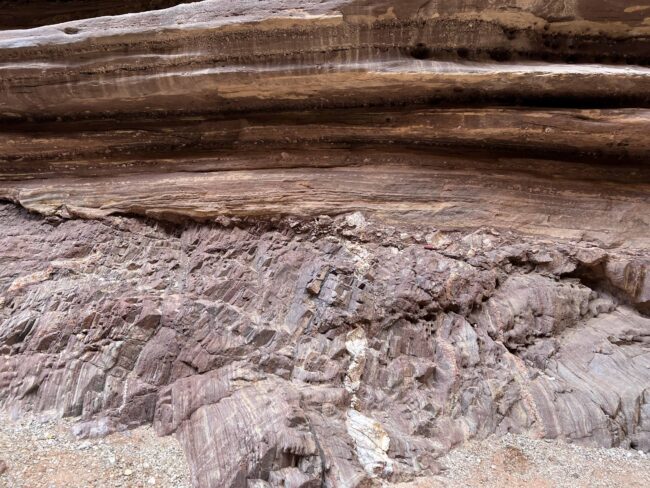
Earth’s “Missing” Billion Years: Study Links the Great Unconformity to Early Tectonics
New findings shed light on a widespread gap in the geologic record, where more than a billion years of Earth’s history appear to have been erased.
-
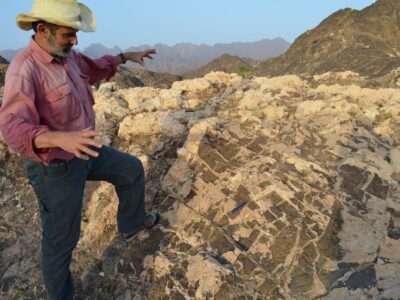
Earth’s Continents Stabilized Due to Furnace-Like Heat, Study Reveals
The new discovery has implications beyond geologic history, such as the search for critical minerals and habitable planets beyond Earth.
-

Meet Steve Goldstein, Interim Director of the Lamont-Doherty Earth Observatory
Steve Goldstein, interim director of the Lamont-Doherty Earth Observatory, talks about his long history with Columbia, and why the geosciences have such an important role to play in the climate crisis.
-

The Matterhorn: Alive With Vibrational Energy
In a recent study, researchers found that the Matterhorn is constantly swaying to the seismic energy of earthquakes and ocean tremors felt around the world.
-

The Canary in the Coal Mine: Frank Granshaw on Glaciers and Geoscience Education
Frank Granshaw discusses changes in geoscience, education, and glaciers throughout his career as a glacial geologist and climate science educator.
-

Tackling a 40 Million-Year-Old Conundrum
A new study bolsters the idea that the uplifts of the Himalayas and Andes that began tens of millions years ago helped trigger the many ice ages that followed.
-

Chasing Gold, Geysers and Geothermal Power With Carolina Muñoz-Saez
The postdoctoral researcher studies hydrothermal systems and will soon go to the Chilean Andes to explore how geyser activity there may be related to glacier growth and retreat over thousands of years.
-

Geologists Identify Deep-Earth Structures That May Signal Hidden Metal Lodes
Previously unrecognized structural lines deep in the earth appear to signal the locations of giant deposits of copper, lead, zinc and other vital metals near the surface.
-

Drill Cores From Pre-Ancient Greece Open Insights to Climate
Newly analyzed drill cores taken from the bottom of Greece’s Gulf of Corinth show that sediment flow into the basin has varied dramatically over the past 500,000-plus years, as the earth passed in and out of ice ages, and humans later dominated the surrounding landscape.


The first Earth Day in 1970 ignited a movement to stop polluting our planet. Today, our scientists and experts are tackling the most pressing challenges to achieve real-world impact. This Earth Day, join us in our commitment to realizing a just and sustainable future for our planet. Visit our Earth Day website for ideas, resources, and inspiration.
