State of the Planet

News from the Columbia Climate School

International Research Institute for Climate and Society30

  • Climate Services: Providers, Users Must Partner

    Climate Services: Providers, Users Must Partner

    The potential of climate services depends on the strength of partnerships between those who provide climate information and those who need it, says Zhang Zuqiang, Deputy Director of China’s National Climate Center.

  • Climates Services: Must Help Us Understand Risks

    Climates Services: Must Help Us Understand Risks

    The point is setting priorities right, and for an agency like the World Food Programme, our focus is of course vulnerable people in the most vulnerable countries, countries where climate change is a multiplier of hunger risk. –- WFP’s Carlo Scaramella, in the fifth in a series of video interviews.

  • Climate Services: Science=Credibility

    Climate Services: Science=Credibility

    It’s terribly important that those who provide climate services are backed up by science and most importantly, link with and understand the problems of the user community. – says John Zillman, former president of the World Meteorological Organization, in the fourth in a series of video interviews.

  • Climate Services: No need to wait for disasters to happen

    Climate Services: No need to wait for disasters to happen

    “We need climate information to be able to see disasters coming ahead of time, not just hours, but also weeks, months, and even decades in terms of trends.” — Maarten Van Aalst, the Director of the Red Cross/Red Crescent Climate Centre talks about the importance of climate services for humanitarian operations planning and preparedness, for…

  • A Cup of Joe for #1000

    A Cup of Joe for #1000

    IRI is offering a token of thanks for helping us reach a Twitter milestone. Care to help us get there?

  • Does La Niña Lead to Flu Pandemics?

    Does La Niña Lead to Flu Pandemics?

    Four major flu pandemics of the last century, including the deadly 1918 flu, were all proceeded by La Niña conditions in the Pacific, according to a recent paper.

  • East Africa Drought Is “Exceptional”

    East Africa Drought Is “Exceptional”

    Climate scientist Simon Mason talks about the drought and the role of climate information in disaster preparedness and response.

  • The Art and Science of Speed Dating

    The Art and Science of Speed Dating

    Speed dating can help singles looking for love. Can it help bring artists and scientists closer together, too?

  • Health Risks From Famine Likely to Persist

    Health Risks From Famine Likely to Persist

    Video Short: IRI’s Madeleine Thomson discusses the short- and long-term health risks of the East Africa famine

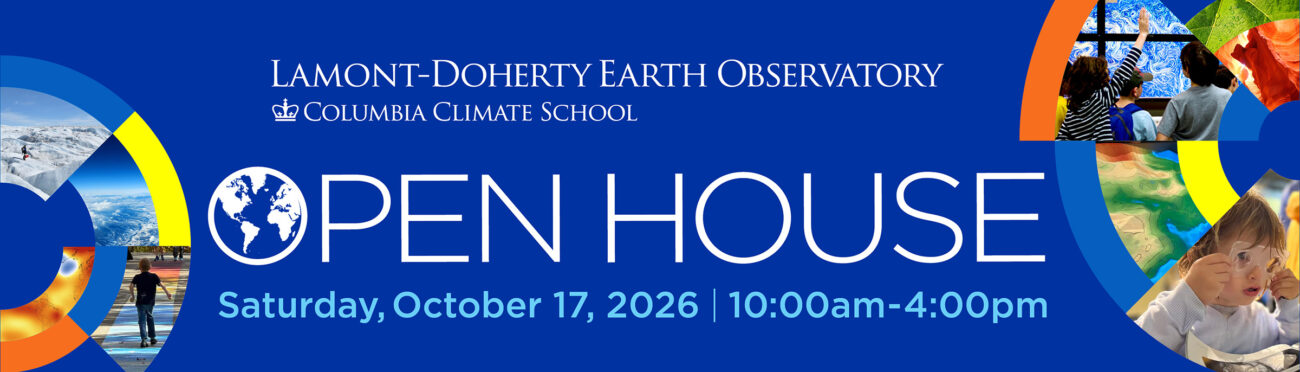
Blue banner with kids and Earth photos. Text: "Lamont-Doherty Earth Observatory Open House, Saturday, October 17, 2026, 10am-4pm.

On Saturday, October 17, 2026 from 10am to 4pm, Lamont-Doherty Earth Observatory Open House—our biggest, best science fun and discovery event of the year—will take place on our beautiful campus in Palisades, NY. Mark your calendar and join us for this free, family-friendly celebration of science! RSVP Today!

  • Climate Services: Providers, Users Must Partner

    Climate Services: Providers, Users Must Partner

    The potential of climate services depends on the strength of partnerships between those who provide climate information and those who need it, says Zhang Zuqiang, Deputy Director of China’s National Climate Center.

  • Climates Services: Must Help Us Understand Risks

    Climates Services: Must Help Us Understand Risks

    The point is setting priorities right, and for an agency like the World Food Programme, our focus is of course vulnerable people in the most vulnerable countries, countries where climate change is a multiplier of hunger risk. –- WFP’s Carlo Scaramella, in the fifth in a series of video interviews.

  • Climate Services: Science=Credibility

    Climate Services: Science=Credibility

    It’s terribly important that those who provide climate services are backed up by science and most importantly, link with and understand the problems of the user community. – says John Zillman, former president of the World Meteorological Organization, in the fourth in a series of video interviews.

  • Climate Services: No need to wait for disasters to happen

    Climate Services: No need to wait for disasters to happen

    “We need climate information to be able to see disasters coming ahead of time, not just hours, but also weeks, months, and even decades in terms of trends.” — Maarten Van Aalst, the Director of the Red Cross/Red Crescent Climate Centre talks about the importance of climate services for humanitarian operations planning and preparedness, for…

  • A Cup of Joe for #1000

    A Cup of Joe for #1000

    IRI is offering a token of thanks for helping us reach a Twitter milestone. Care to help us get there?

  • Does La Niña Lead to Flu Pandemics?

    Does La Niña Lead to Flu Pandemics?

    Four major flu pandemics of the last century, including the deadly 1918 flu, were all proceeded by La Niña conditions in the Pacific, according to a recent paper.

  • East Africa Drought Is “Exceptional”

    East Africa Drought Is “Exceptional”

    Climate scientist Simon Mason talks about the drought and the role of climate information in disaster preparedness and response.

  • The Art and Science of Speed Dating

    The Art and Science of Speed Dating

    Speed dating can help singles looking for love. Can it help bring artists and scientists closer together, too?

  • Health Risks From Famine Likely to Persist

    Health Risks From Famine Likely to Persist

    Video Short: IRI’s Madeleine Thomson discusses the short- and long-term health risks of the East Africa famine