Lamont-Doherty Earth Observatory105
-
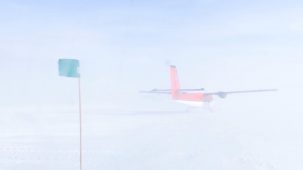
Wind, Snow and Ice: Summer in Antarctica
The theme of the past week has been the weather. Weather is of course always happening, but in the lingo of McMurdo Station, ‘weather’ means ‘bad weather.’
-

What We Know About Medicanes—Hurricane-Like Storms in the Mediterranean
They’re rare but can be dangerous, as demonstrated by Medicane Numa’s destruction in Greece last week.
-

Ocean Sediments Off Pacific Coast May Feed Tsunami Danger
Tightly packed sediments help the Cascadia Subduction Zone generate large earthquakes, and could boost its ability to trigger a large tsunami.
-

Let’s Talk About Crevasses—Deep Fractures in Antarctica’s Ice
The word “crevasse” sends shivers down the spine of anyone who works on a glacier. Sometimes hundreds of feet deep and hidden beneath a thin layer of snow, these cracks have claimed the lives of many polar explorers and scientists. They also appear quite frequently in our sensors as we fly our survey flights for…
-

Lamont to Harvest Sunshine from Solar Farm
Two solar arrays in Upstate New York will be up and ready at the end of November, poised to provide power and to help to reduce the Lamont campus’ carbon footprint.
-

Where Is All That Carbon Dioxide Going?
Concurrent with the announcement that human carbon emissions reached a new peak this year, Galen McKinley, a researcher at Columbia University’s Lamont-Doherty Earth Observatory, discusses the difficulties of tracking the sources and destinations of carbon dioxide.
-

Flying is Easy, Just Think Happy Thoughts…
For scientists mapping Antarctica’s Ross Ice Shelf, data collection flights require a demanding schedule: The day starts at 4am and sometimes continues throughout the night.
-

NASA Finds New Way to Track Ozone By Satellite
Ozone pollution near Earth’s surface is one of the main ingredients of summertime smog. But it not directly measurable from space, due to the abundance of ozone higher in the atmosphere, which masks the surface. Now, researchers have devised a way to use satellite measurements of the precursor gases that contribute to ozone formation to…
-

National Climate Report: Q&A With Authors
Every four years Congress is provided with a state-of-the-art report on the impacts of climate change on the United States. The next National Climate Assessment is scheduled for 2018, but its scientific findings are scheduled to be published today. Here, two of its authors explain what to expect.


The first Earth Day in 1970 ignited a movement to stop polluting our planet. Today, our scientists and experts are tackling the most pressing challenges to achieve real-world impact. This Earth Day, join us in our commitment to realizing a just and sustainable future for our planet. Visit our Earth Day website for ideas, resources, and inspiration.
